In the world of alternative schooling and education, understanding different learning styles is crucial to effectively cater to the needs of students. Tundra learning styles offer a unique approach that focuses on individuality and experiential learning.
One key aspect of Tundra learning styles is the emphasis on hands-on experiences. Students in this setting often learn best through practical applications rather than traditional lectures or textbook-based lessons. This experiential approach allows students to actively engage with their environment, fostering a deeper understanding of concepts.
Another important component of Tundra learning styles is personalization. Educators strive to tailor their teaching methods to accommodate each student’s preferred way of learning. Whether it be visual, auditory, kinesthetic, or a combination of these modalities, Tundra educators work closely with students to ensure they are receiving information in a manner that resonates most with them.
Collaborative learning is also highly valued in Tundra settings. Students are encouraged to work together on projects and assignments, promoting teamwork and communication skills. This cooperative environment not only enhances academic performance but also teaches valuable social skills that are essential for success beyond the classroom.
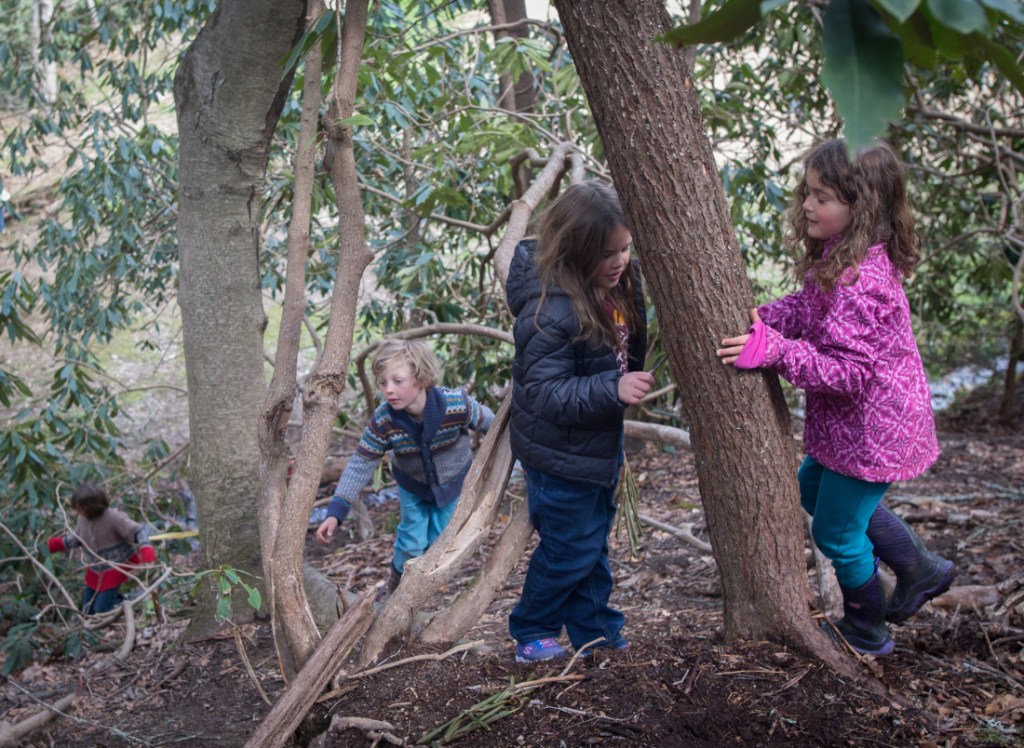
Furthermore, Tundra learning styles often incorporate nature-based elements into the curriculum. Outdoor activities such as hiking, gardening, or wildlife observation are commonly used to supplement traditional classroom instruction. This integration of nature not only provides a refreshing change of scenery but also promotes environmental awareness and appreciation among students.
Overall, Tundra learning styles offer a dynamic and personalized approach to education that prioritizes individuality, hands-on experiences, collaboration, and connection with nature. By embracing these principles, educators can create engaging and effective learning environments that cater to the diverse needs and preferences of students in alternative schooling settings.
 Alternative Amie
Leave a comment