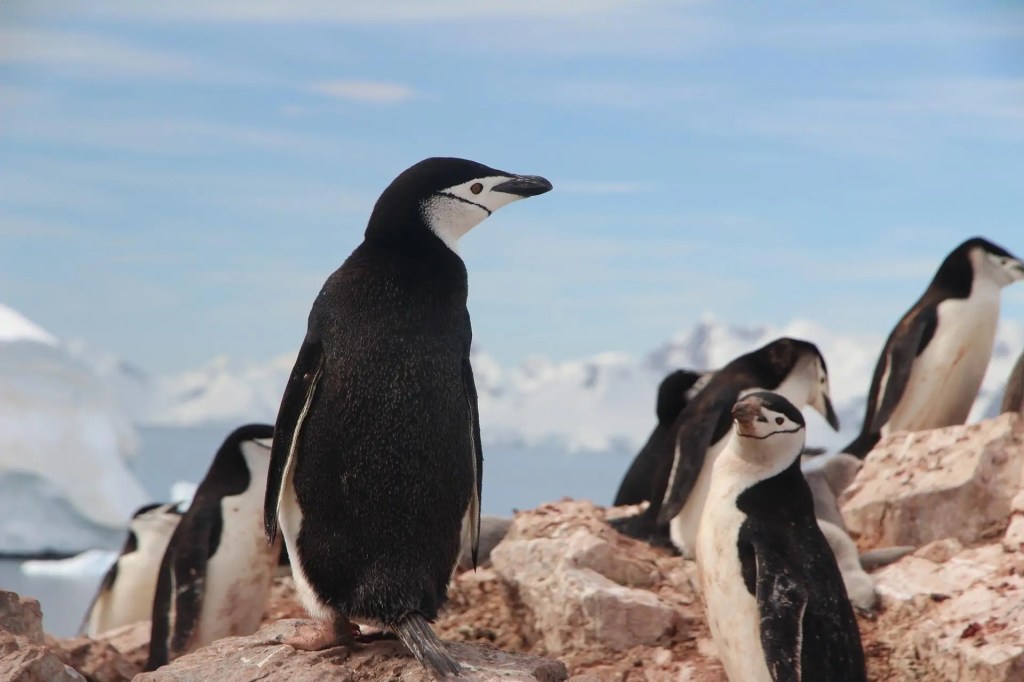
Antarctica, one of the most pristine and untouched regions on Earth, is home to a diverse array of wildlife species. However, climate change and human activities pose significant threats to the delicate ecosystem that exists there. In response to these challenges, various wildlife protection programs have been established in Antarctica to safeguard its unique biodiversity.
One such program is the Antarctic Wildlife Research Fund (AWR), which supports scientific research aimed at understanding and conserving Antarctic wildlife. Through partnerships with researchers, governments, and conservation organizations, AWR funds projects focused on monitoring populations of key species such as penguins, seals, and whales. By studying their behavior, habitat use, and population trends, scientists can better inform conservation efforts and policies to protect these animals.
Another important initiative in Antarctica is the establishment of Marine Protected Areas (MPAs) to preserve critical habitats for wildlife. These areas restrict certain activities like fishing or tourism to minimize disturbances to marine ecosystems. The creation of MPAs not only helps safeguard vulnerable species but also contributes to maintaining overall ecological balance in the region.
Education plays a crucial role in wildlife protection programs in Antarctica. Many organizations offer educational opportunities for students and the public to learn about the importance of conservation efforts in this remote continent. By raising awareness about the threats facing Antarctic wildlife and promoting sustainable practices among visitors and researchers alike, these programs strive to foster a culture of respect for nature and encourage responsible stewardship of the environment.
Volunteer opportunities are also available for those who wish to actively contribute to wildlife protection efforts in Antarctica. Whether participating in beach clean-ups, assisting with research projects, or supporting local conservation initiatives, volunteers play a vital role in helping conserve this fragile ecosystem.
In conclusion, wildlife protection programs in Antarctica are essential for preserving its precious biodiversity amidst growing environmental challenges. Through scientific research, marine protected areas, education initiatives, and volunteer engagement, these programs work towards ensuring a sustainable future for Antarctic wildlife. By supporting these efforts through advocacy and action, we can all play a part in protecting this remarkable ecosystem for generations to come.
 Alternative Amie
Leave a comment