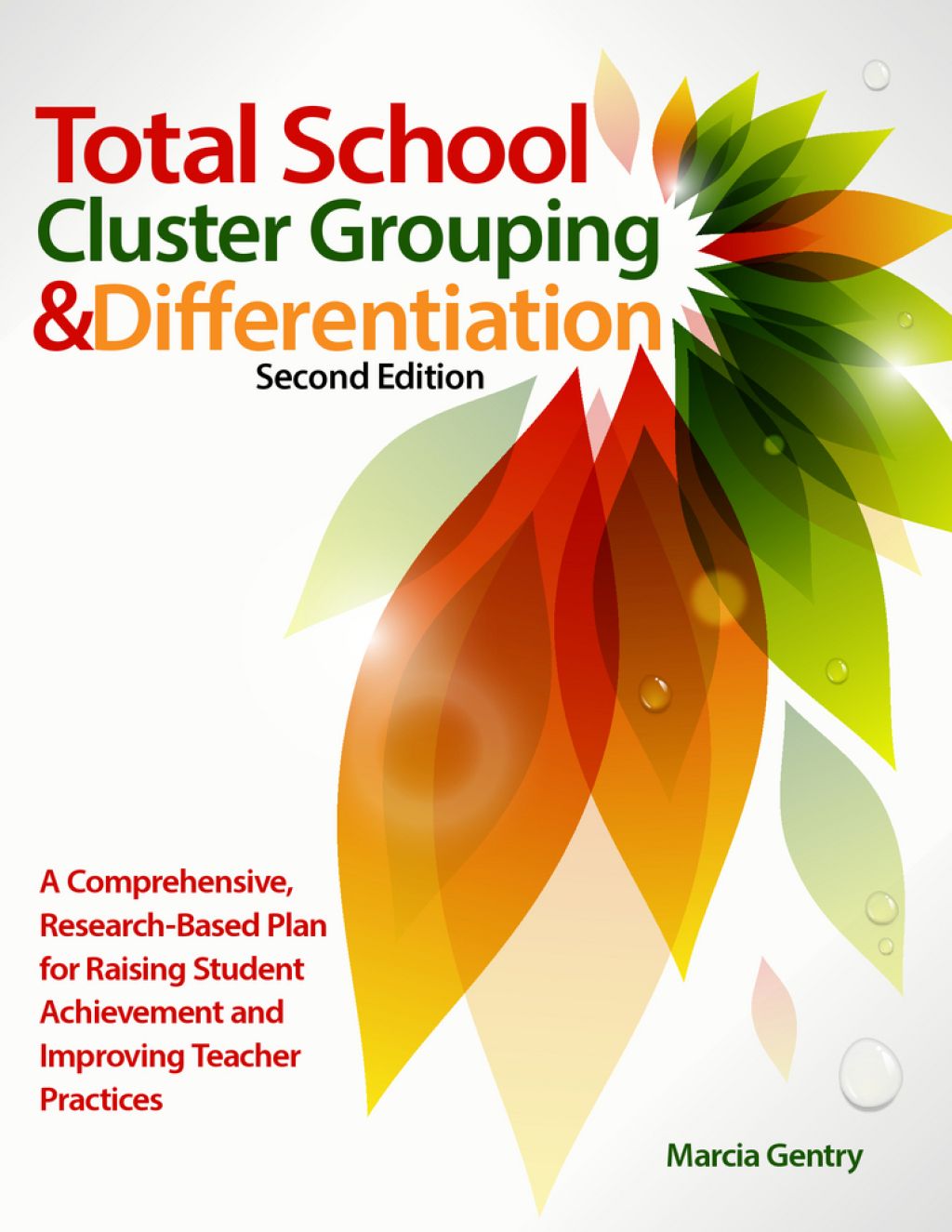
Cluster grouping is a widely recognized and effective method of organizing students in educational settings to meet their diverse learning needs. This approach involves placing academically gifted or high-achieving students together in the same classroom or group, allowing them to work at an accelerated pace and delve deeper into challenging material. By clustering these students together, educators can provide more tailored instruction and support that matches their advanced abilities.
One of the key benefits of cluster grouping is the opportunity for like-minded students to collaborate and learn from one another. When high-achieving students are placed in the same group, they can engage in stimulating discussions, share unique perspectives, and push each other to excel academically. This collaborative environment fosters a sense of community among gifted learners and encourages them to challenge themselves further.
In addition to fostering collaboration, cluster grouping allows teachers to differentiate instruction effectively for high-achieving students. Educators can design lessons that cater to the advanced abilities of these students, providing them with opportunities for enrichment and extension beyond the standard curriculum. By tailoring instruction to meet the needs of gifted learners, teachers can help ensure that these students remain engaged and challenged in their academic pursuits.
Cluster grouping also benefits teachers by enabling them to focus on a smaller group of high-achieving students within a larger classroom setting. This targeted approach allows educators to provide more individualized attention and support to gifted learners while still addressing the needs of all students in the class. Teachers can use cluster grouping as a way to create flexible instructional groups based on student performance levels, ensuring that each student receives appropriate challenges and support.
Furthermore, cluster grouping has been shown to have positive social-emotional effects on gifted learners. When academically talented students are placed together in a supportive learning environment, they often feel less isolated or misunderstood than they might in a traditional classroom setting where they are one of few high achievers. The sense of belonging that comes from being part of a group of peers with similar academic abilities can boost self-esteem and motivation among gifted learners.
Another advantage of cluster grouping is its potential for promoting equity in education by providing equal access to challenging opportunities for all high-achieving students regardless of background or socioeconomic status. By creating clusters based on academic ability rather than factors such as race or income level, schools can ensure that all gifted learners have access to appropriate levels of instruction and resources needed for their intellectual growth.
Despite its many benefits, implementing cluster grouping effectively requires careful planning and ongoing support from school administrators and educators. Schools must consider factors such as teacher training in differentiation strategies, scheduling logistics for clustering groups across grade levels or subject areas, communication with parents about the rationale behind this instructional approach, and monitoring student progress within clustered groups.
To maximize the effectiveness of cluster grouping, schools may also need to address potential challenges such as ensuring equitable representation of diverse student populations within clusters (e.g., English language learners or low-income students), providing professional development opportunities for teachers on best practices for serving gifted learners within clustered environments,and regularly evaluating the impact of cluster grouping on student outcomes through data analysis and feedback mechanisms.
In conclusion,Custer’s Grouping offers numerous advantages for meeting the unique learning needs 0f hight achieving studensts .By creating dynamic learning communities comprisedof academically talented peers ,schools ccan fostercollaboration,differentiateinstruction,promotesocial-emotionalsuccess,and promoteequityin educationfor allgiftedlearners.With thoughtful implementationandongoingsupportfromeducatorsandadministratorsclusterGroupingcanbeavaluabletoolforenrichingthelearningexperienceofhigh-performingstudentsacrossdiverseeducationalsettings
 Alternative Amie
Leave a comment