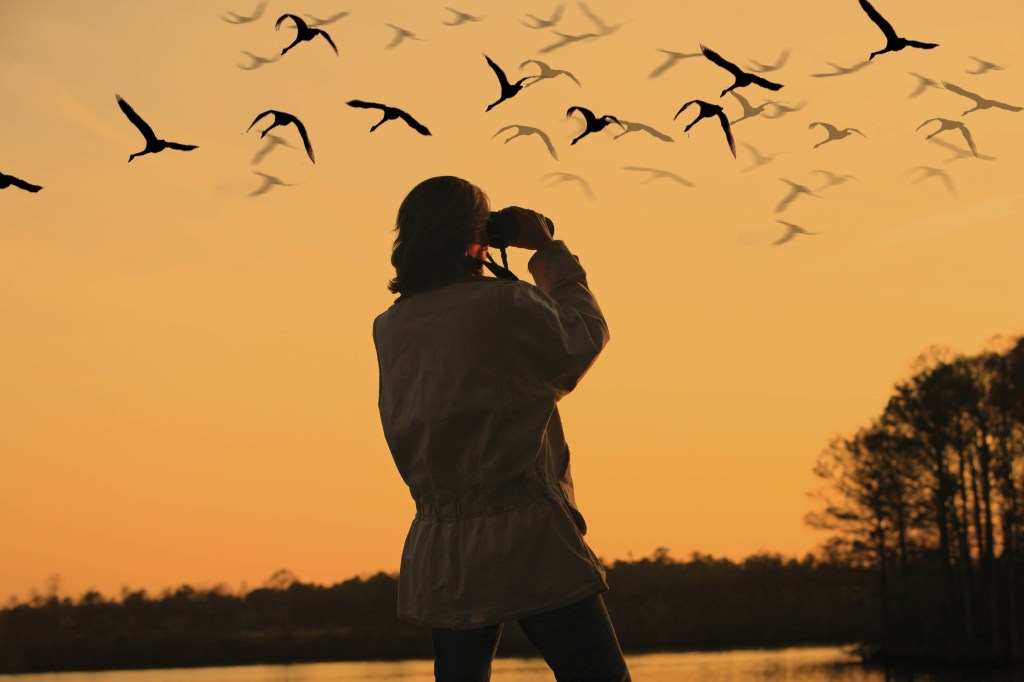
Bird watching, also known as birding, is a popular activity among nature enthusiasts and environmentalists. It involves observing and identifying birds in their natural habitats. Bird watchers often use binoculars, field guides, and sometimes even cameras to document their sightings. This hobby not only provides opportunities for relaxation and stress relief but also contributes to scientific research and conservation efforts.
Composting is the process of decomposing organic materials such as food scraps, yard waste, and paper products to create nutrient-rich soil for gardening. By diverting these materials from landfills, composting helps reduce greenhouse gas emissions while enriching the soil with essential nutrients for plant growth.
Forest bathing, or shinrin-yoku in Japanese, is a practice that involves immersing oneself in the sights, sounds, and smells of the forest to promote relaxation and overall well-being. Studies have shown that spending time in nature can reduce stress levels, lower blood pressure, and boost immune function.
Tree identification is a valuable skill for outdoor enthusiasts and conservationists alike. Being able to identify different tree species based on characteristics such as bark texture, leaf shape, and branching patterns can enhance one’s understanding of local ecosystems.
Natural dyeing is an ancient art form that involves using plants, minerals, insects, or fungi to create dyes for coloring textiles or other materials. This sustainable practice connects people with nature while promoting environmentally friendly alternatives to synthetic dyes.
Insect studies provide valuable insights into the diversity and ecological roles of insects in various ecosystems. From pollination to decomposition, insects play crucial roles in maintaining ecosystem balance.
Survival skills are essential for anyone venturing into the wilderness. Knowing how to build a shelter, start a fire without matches, find clean water sources, navigate using natural landmarks are all important skills that can make a difference in emergency situations.
Weather tracking allows individuals to observe weather patterns over time by recording data such as temperature fluctuations precipitation amounts wind speeds cloud formations this information can help predict future weather events
Animal tracking involves identifying animal tracks signs scat markings behavior patterns wildlife enthusiasts use these skills learn about animals behaviors interactions with environment
Plant propagation refers methods reproducing plants from seeds cuttings division grafting layering budding creates new plants preserving genetic diversity supporting biodiversity gardens landscapes
Storytelling nature has been used cultures around world passing down traditions knowledge connecting people environments engaging way foster appreciation conservation natural world
Nature journaling combines observations reflections drawings creative expression documenting experiences encounters nature encourages mindfulness connection natural world
Forest art sculpture offers unique way blend creativity nature creating artworks using found objects wood stones leaves inspire others appreciate beauty outdoors
Sensory awareness activities engage senses sight sound touch smell taste connecting individuals surroundings fostering deeper connections natural world mindfulness practices
Forest therapy children special needs provides therapeutic benefits spending time nature sensory experiences exploring outdoor environments tailored individual needs abilities promoting emotional physical cognitive development
Forest school curriculum development focuses designing educational programs learning experiences take place outdoors utilizing natural settings enhance student engagement learning outcomes integrating subjects like science math language arts sustainability health wellness social studies physical education arts music
Outdoor cooking nutrition teaches individuals prepare healthy meals using fresh ingredients outdoor settings promotes self-sufficiency sustainability fosters appreciation local foods traditional cooking methods
Forest school safety protocols ensure students teachers staff safe secure outdoor learning environments addressing potential risks emergencies implementing procedures guidelines prevent accidents respond effectively crises
Using technology forest schools integrates digital tools resources enhance educational experiences facilitate data collection analysis communication students educators benefit access online databases mapping software educational apps devices support learning environmental stewardship tech literacy STEM fields
Incorporating indigenous knowledge practices forest schools honors cultural heritage wisdom native communities promotes respect reciprocity relationships land encourages diverse perspectives approaches land stewardship environmental conservation education integration traditional ecological knowledge TEK teachings enhances holistic understanding interconnectedness humans nature
 Alternative Amie
Leave a comment