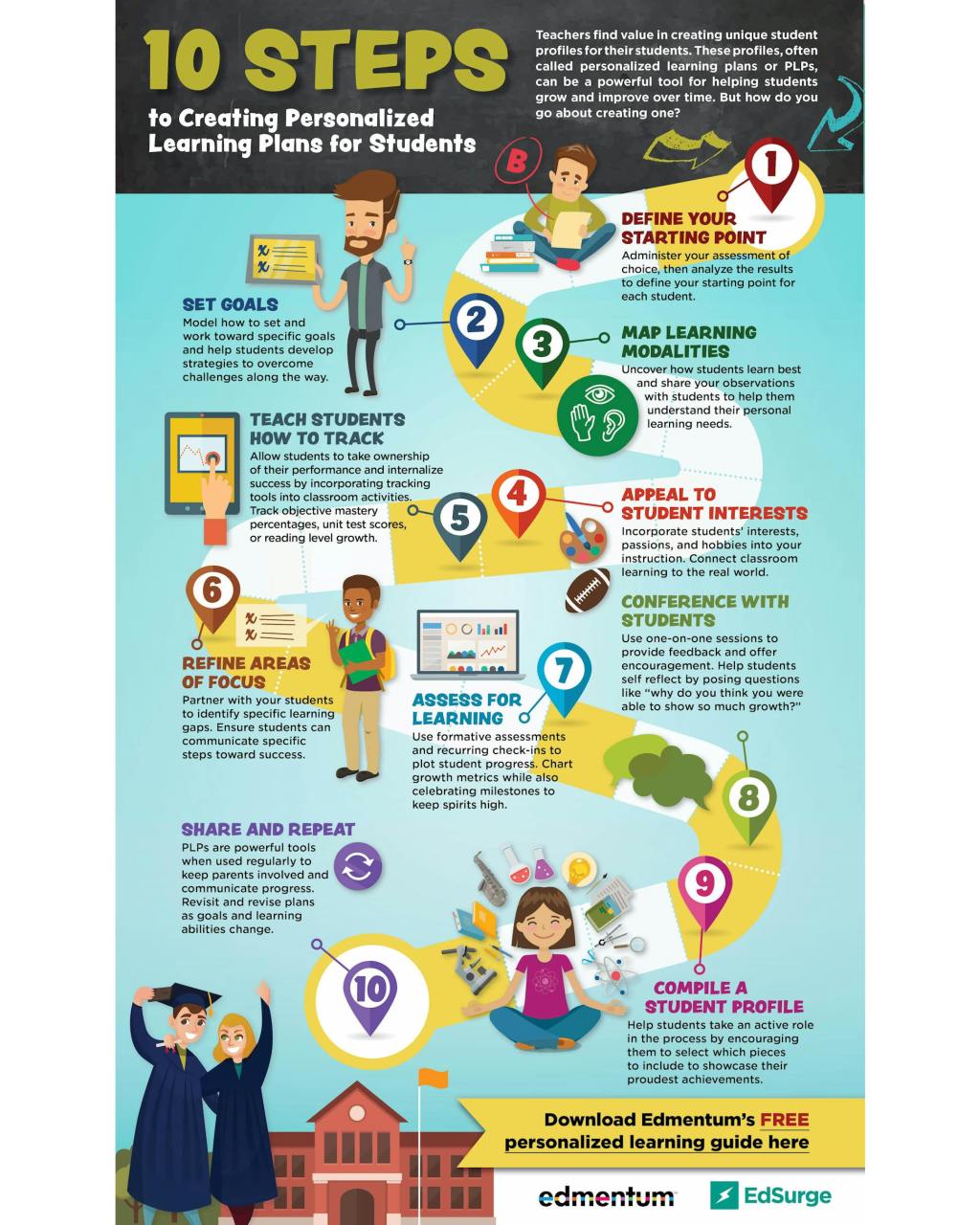
Personalized learning plans are a crucial aspect of alternative education settings, as they allow for tailored educational experiences that cater to individual student needs and interests. By creating personalized learning plans, educators can help students set goals, track their progress, and ultimately achieve success in their academic journey.
Student goal setting plays a significant role in personalized learning plans. By encouraging students to set specific, measurable, achievable, relevant, and time-bound (SMART) goals, educators can empower them to take ownership of their learning. Setting goals helps students stay motivated and focused on their academic objectives while providing direction for the personalized learning process.
In alternative education settings, project-based assessments offer a hands-on approach to evaluating student understanding and skills. These assessments require students to apply their knowledge in real-world scenarios, fostering critical thinking and problem-solving abilities. Project-based assessments also allow for creativity and collaboration among students as they work together to complete tasks and projects.
Competency-based assessments focus on measuring what students know and can do rather than how much time they spend in class. This approach ensures that each student is assessed based on mastery of specific competencies or skills outlined in the curriculum. Competency-based assessments promote a deeper understanding of content and provide valuable feedback to guide further instruction.
Narrative feedback is an essential component of student growth in alternative education settings. Instead of relying solely on letter grades or numerical scores, narrative feedback provides detailed comments on student performance, highlighting strengths and areas for improvement. This form of feedback encourages reflection and self-assessment while promoting continuous growth and development.
Social-emotional learning assessments evaluate students’ emotional intelligence, interpersonal skills, resilience, and self-awareness. These assessments help educators understand the holistic needs of students beyond academic achievement. By incorporating social-emotional learning assessments into personalized learning plans, educators can support students’ overall well-being and foster positive relationships within the school community.
Student self-assessment techniques encourage learners to reflect on their own progress and identify areas for improvement. Self-assessment empowers students to take an active role in monitoring their growth while developing metacognitive skills. Educators can guide students in setting meaningful goals based on self-assessment data to enhance motivation and engagement.
Peer assessment strategies involve having students provide feedback to one another based on established criteria or rubrics. Peer assessment promotes collaborative learning environments where students learn from one another’s perspectives and insights. Through peer assessment activities, students develop communication skills, critical thinking abilities, and empathy towards their peers’ work.
Reflective assessment practices encourage deep introspection about one’s own learning journey. By engaging in reflective practices such as journaling or portfolio reviews, students can articulate their thoughts about challenges faced, lessons learned, accomplishments achieved throughout the academic year or a particular project period
Narrative assessments play a vital role in supporting special education learners by providing detailed descriptions of individual progress instead of relying solely on standardized tests or traditional grading systems
Differentiated assessment approaches recognize that learners have diverse needs
and talents requiring varied forms of evaluation beyond standardized testing methods
Authentic assessment methods evaluate real-world application
of knowledge through projects presentations portfolios rather than memorization
and regurgitation
Portfolio assessments showcase student work over time offering insight into
learning progression across various subjects disciplines
For non-traditional learners narrative evaluations serve as
an effective means of tracking growth personalizing instruction
and providing constructive criticism tailored specifically
to individualized educational paths
Culturally responsive assessment practices acknowledge celebrate
and integrate diverse cultural backgrounds experiences values traditions within
the evaluation process ensuring all voices are heard respected validated
Assessment strategies for at-risk learners focus not only on academic performance but also address socio-economic emotional challenges these individuals may face
Narrative evaluations within project-based curricula highlight assess convey multifaceted aspects including soft skill development critical thinking teamwork leadership abilities intrinsic motivators making it ideal platform assessing complex competencies required 21st-century workforce
Leveraging technology narrative assessments allows teachers efficiently capture analyze share information regarding each learner’s achievements areas improvement facilitating ongoing dialogue between educator learner parent guardians
Assessing creativity innovation alternative schooling contexts involves observing analyzing critiquing originality resourcefulness adaptability problem-solving display through various mediums ranging artistic expressions scientific discoveries technological innovations entrepreneurial ventures practical applications daily life Encouraging nurturing creative innovative thinkers requires incorporating flexible dynamic open-ended tasks assignments allowing ample room experimentation exploration risks-taking without fear failure
Lastly narrative evaluations adult learners comprehensive accounts achievements setbacks milestones encountered throughout educational journeys reflecting upon personal professional growth acquired wisdom applying new knowledge real-world situations
In conclusion implementing narrative approaches assessing tracking evaluating learner progress offers multifaceted benefits cultivating engaging enriching educational experiences promoting lifelong habits reflection goal-setting fostering inclusive supportive environments conducive holistic development individuals regardless age background ability level Education truly becomes transformative empowering tool when leveraged effectively narratives weave tapestry unique stories shared shaping future generations leaders innovators change-makers awaiting embark upon promising pathways opportunities waiting unfold Alternative Schooling Education continues forefront championing innovative methodologies pedagogical philosophies resonating with diverse populations seeking redefine reimagine reinvent ways we teach learn grow together collaborative efforts pushing boundaries expanding horizons transforming lives forevermore
 Alternative Amie
Leave a comment