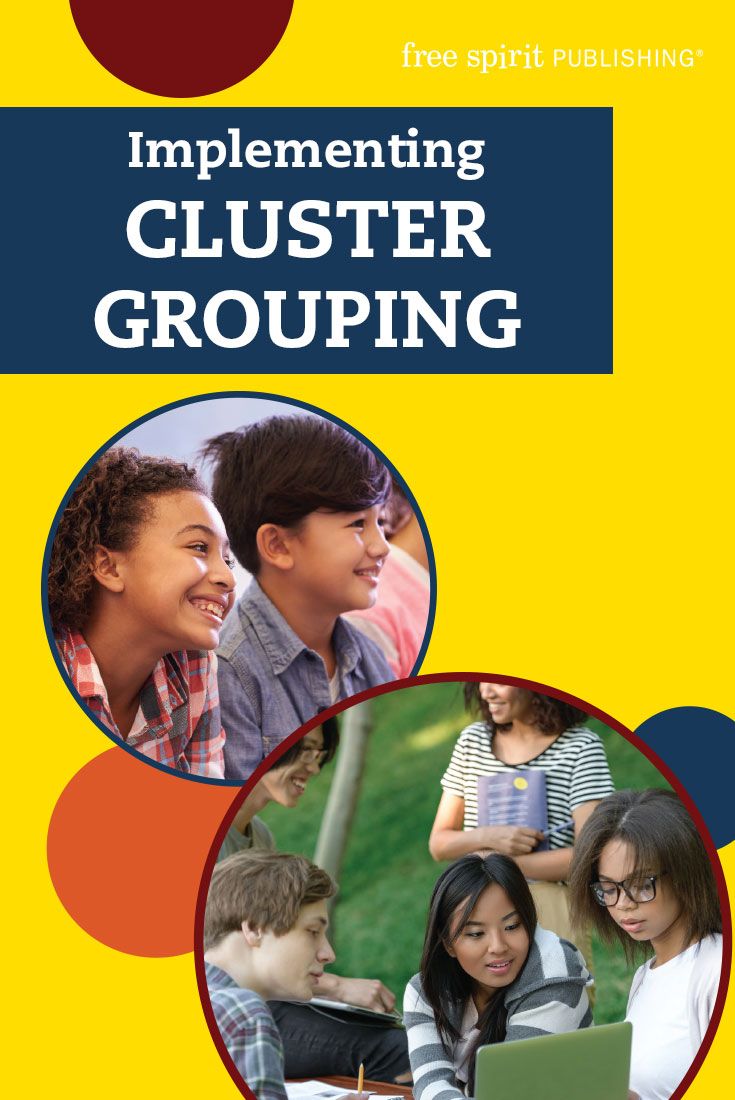
Cluster grouping is a widely recognized and effective strategy in education that aims to meet the needs of gifted and talented students within mixed-ability classrooms. By grouping these advanced learners together, educators can provide more targeted instruction, challenging curriculum, and opportunities for social interaction with intellectual peers. In this article, we will explore the benefits of cluster grouping and how it can enhance the educational experience for gifted students.
1. **Differentiation**: One of the key advantages of cluster grouping is the ability to differentiate instruction effectively. When gifted students are grouped together, teachers can tailor lessons to their specific needs and abilities without leaving other students behind. This personalized approach allows each student to progress at their own pace and delve deeper into complex topics.
2. **Intellectual Peer Interactions**: Gifted students often benefit from interactions with intellectual peers who share their interests and abilities. Cluster grouping provides a supportive environment where these students can collaborate, discuss ideas, and challenge each other academically. These peer interactions not only foster a sense of community but also encourage higher-level thinking skills.
3. **Acceleration**: Cluster grouping allows for accelerated learning opportunities that may not be feasible in a traditional classroom setting. Gifted students can move through material more quickly, delve into advanced topics, or even skip grades if appropriate. This flexibility ensures that high-ability learners are continually challenged and engaged in their academic pursuits.
4. **Social Emotional Development**: Gifted children may struggle with feelings of isolation or boredom in a regular classroom setting where they are not adequately challenged intellectually. Through cluster grouping, these students have the chance to form meaningful connections with like-minded peers who understand their unique perspectives and abilities. This sense of belonging can boost self-esteem, motivation, and overall social-emotional well-being.
5. **Teacher Support**: Educators play a crucial role in facilitating successful cluster groups by providing enriched curriculum materials, guidance on independent projects, and ongoing assessment of student progress. With smaller groups of advanced learners, teachers can focus on individualized support strategies while fostering a dynamic learning environment that encourages creativity and critical thinking skills.
6. **Professional Development Opportunities**: Implementing cluster grouping requires specialized training for teachers to effectively meet the diverse needs of gifted learners within mixed-ability classrooms. Professional development workshops focused on differentiation techniques, talent development strategies, and best practices for supporting high-ability students can empower educators to create enriching learning experiences tailored to individual strengths.
7 .**Parental Involvement**: Parents play an essential role in supporting their gifted child’s education journey through open communication with teachers about academic goals, challenges faced by their child at school ,and involvement in enrichment activities outside the classroom.Parents’ understanding makes them valuable partners as advocates for meeting their child’s unique educational needs.
In conclusion ,cluster grouping offers significant benefits for both gifted students It provides an inclusive environment where high-ability learners thrive academically,socially,and emotionally as they engage deeply with challenging content among intellectual peers.This approach fosters a love for learning,promotes personal growth,and prepares them fpr success beyond school.
 Alternative Amie
Leave a comment