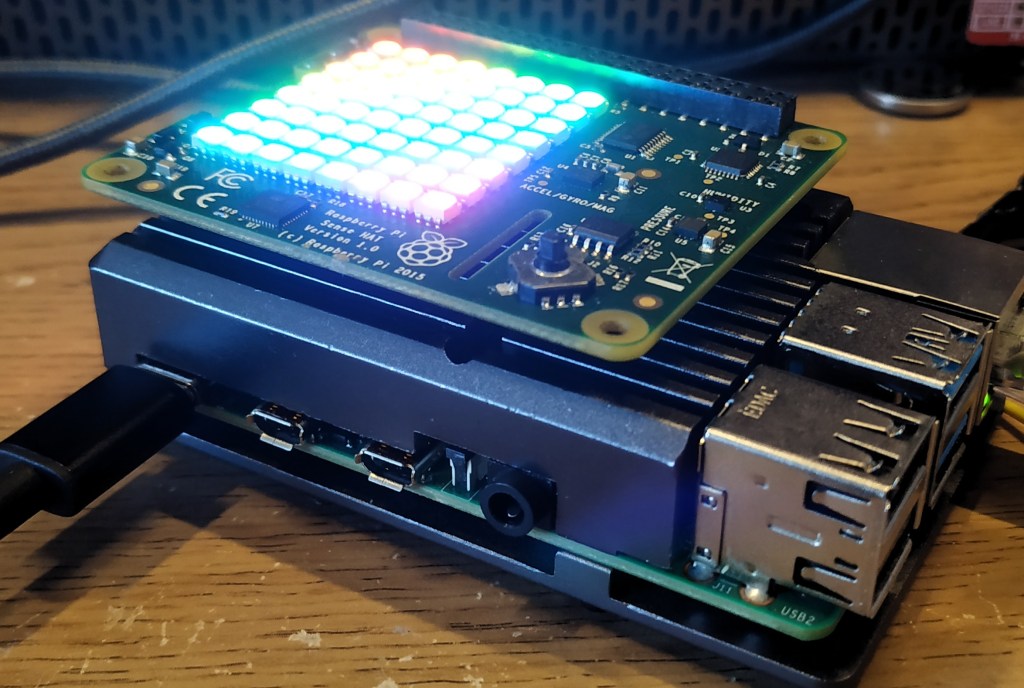
When it comes to alternative schooling and education, hands-on projects play a crucial role in engaging students in learning beyond traditional methods. One exciting tool that has gained popularity in educational settings is the Raspberry Pi. This small, affordable computer offers endless possibilities for creative projects that can enhance students’ skills in programming, electronics, and problem-solving. In this article, we will explore a variety of Raspberry Pi projects that are perfect for incorporating into alternative schooling environments.
1. **Weather Station**: Building a weather station with Raspberry Pi is an excellent way to introduce students to concepts such as data collection and analysis. By connecting sensors to the Raspberry Pi and programming it to gather weather data like temperature, humidity, and air pressure, students can create their very own personalized weather monitoring system. They can also use this project as a basis for understanding how scientific instruments work and interpreting real-time data.
2. **Home Automation**: Home automation projects using Raspberry Pi allow students to explore the intersection of technology and everyday life. By integrating sensors and actuators with the Raspberry Pi, they can build systems that control lighting, temperature, or even security features at home. This project provides practical experience in coding and hardware integration while demonstrating the potential applications of IoT (Internet of Things) technology.
3. **Robotics**: Robotics is a popular field among students interested in STEM (Science, Technology, Engineering, Mathematics) education. With Raspberry Pi as the brain of a robot project, students can design their robots from scratch or assemble existing kits for experimentation. They can learn about motor control, sensor integration for navigation or obstacle avoidance tasks using Python programming language on the Raspberry Pi platform.
4. **Game Development**: For those interested in game development and design principles, creating games on a Raspberry Pi is both fun and educational. Students can use libraries like Pygame to develop simple 2D games while honing their programming skills through hands-on practice with game logic algorithms and user interface design concepts.
5. **Music Player/Streamer**: Music enthusiasts may enjoy building their music player or streaming device using Raspberry Pi’s audio capabilities combined with software solutions like Volumio or Moode Audio Player OSes which turn it into a versatile media center capable of playing local files or streaming music from online services like Spotify or SoundCloud.
6 .**Home Security System**: Creating a DIY home security system with motion sensors/cameras connected to your Raspberry pi allows you not only monitor your house but also understand how modern smart-home devices function
7 .**Plant Watering System**: A plant watering system based on raspberry pi helps automate irrigation by ensuring plants get watered at regular intervals – great for teaching automation principles
8 .**Intruder Detection Alarm System:** Another safety-related project could involve setting up an intruder detection alarm system using motion sensors connected to your raspberry pi – good way to learn about alert systems
9 .**Smart Mirror:** Designing Smart Mirrors involves combining mirrors with digital displays powered by raspberry pis allowing users check time/weather updates etc while looking at themselves
10 .**Gaming Console Emulator:** Transform your raspberry pi into gaming console emulator enabling players revisit nostalgic retro games from consoles past through emulation software like RetroPie
11 .**Wi-Fi Signal Strength Monitor:** Build Wi-Fi signal strength monitor by utilizing wifi antennas & software tools on raspberry pi tracking network coverage around different locations helping identify dead spots
By incorporating these diverse projects into alternative schooling curriculae , educators can foster creativity , critical thinking & technical skills among learners who might otherwise be disinterested traditional classroom settings thereby catering more effectively towards varied learning styles prevalent today
 Alternative Amie
Leave a comment