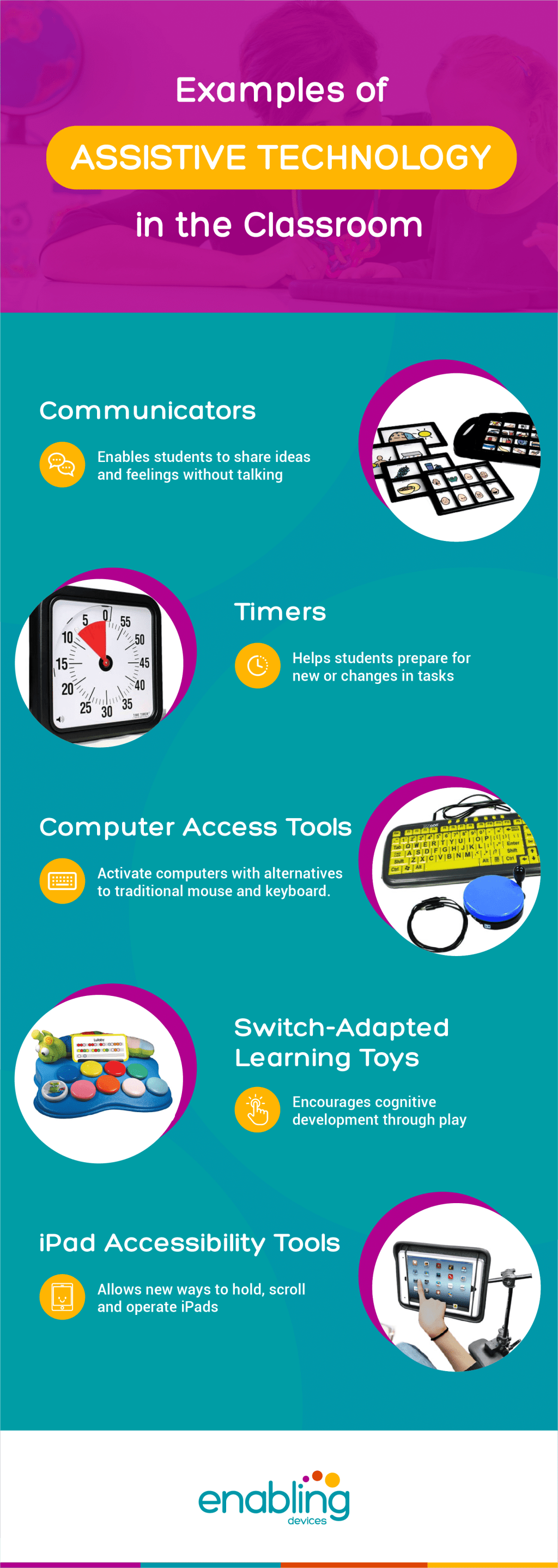
Adaptive technology refers to tools and software designed to help individuals with disabilities access information, communicate effectively, and participate in various activities. These technologies have been instrumental in leveling the playing field for students with diverse learning needs, allowing them to engage more fully in educational settings and beyond. In this interview-style post, we will delve deeper into the world of adaptive technology and its impact on alternative schooling and education.
To gain insights into the subject, I had the opportunity to speak with Dr. Sarah Thompson, an expert in special education and assistive technology. Dr. Thompson highlighted the importance of adaptive technology in empowering students with disabilities to navigate their learning environments independently. She emphasized that these tools can enhance academic performance by providing customized support tailored to individual strengths and challenges.
One key aspect of adaptive technology is its versatility across different learning styles and preferences. Dr. Thompson explained that while some students may benefit from text-to-speech software for reading assistance, others might find graphic organizers or speech recognition tools more helpful for organizing thoughts and expressing ideas effectively. By offering a range of options, adaptive technology allows educators to cater to diverse student needs within alternative schooling settings.
Incorporating adaptive technology into classrooms not only supports students with disabilities but also fosters a culture of inclusivity and equity among all learners. Dr. Thompson shared how these tools promote collaboration among peers as students learn to appreciate each other’s unique abilities and contributions. By creating an environment where every voice is valued, adaptive technology plays a crucial role in building empathy and understanding within educational communities.
When discussing the benefits of adaptive technology, Dr. Thompson underscored its potential for promoting independence among students with disabilities. By equipping them with tools that facilitate communication, organization, and task completion, these technologies empower individuals to take ownership of their learning journey without constantly relying on external support systems.
Moreover, adaptive technology extends beyond traditional classroom settings to encompass various aspects of daily life for individuals with disabilities. From accessing public transportation using navigation apps tailored for users with visual impairments to utilizing augmented reality tools for interactive museum tours designed for visitors with autism spectrum disorder (ASD), these technologies open up new possibilities for inclusive participation in society.
In terms of implementation challenges, Dr. Thompson acknowledged that there are barriers such as cost constraints, limited training opportunities for educators, and concerns about data privacy when using digital platforms related to adaptive technology adoption in alternative schooling contexts.However,she noted that ongoing professional development initiatives focusing on assistive tech integration could address these challenges by enhancing educators’ confidence levelsand ensuring sustainable use practices within schools.
Looking ahead,the future ofadaptive technologysuggests exciting possibilitiesfor further innovationand growthin supportingdiverse learners acrossalternativeeducation landscapes.Dr.Thompsonexpressed optimismaboutthe continuedcollaborationbetweeneducators,researchers,andtechnology developersin refiningexistingtoolsandalsointroducingnew solutionscateringtoemergingstudentneeds.Witha focusonuser-centered designandinclusivepractices,the fieldof adaptivetechnologyis poisedtoevolveandinfluencepositivechangein howwe approacheducationforalllearnersregardlessoftheirabilitiesorlearningstyles.
 Alternative Amie
Leave a comment