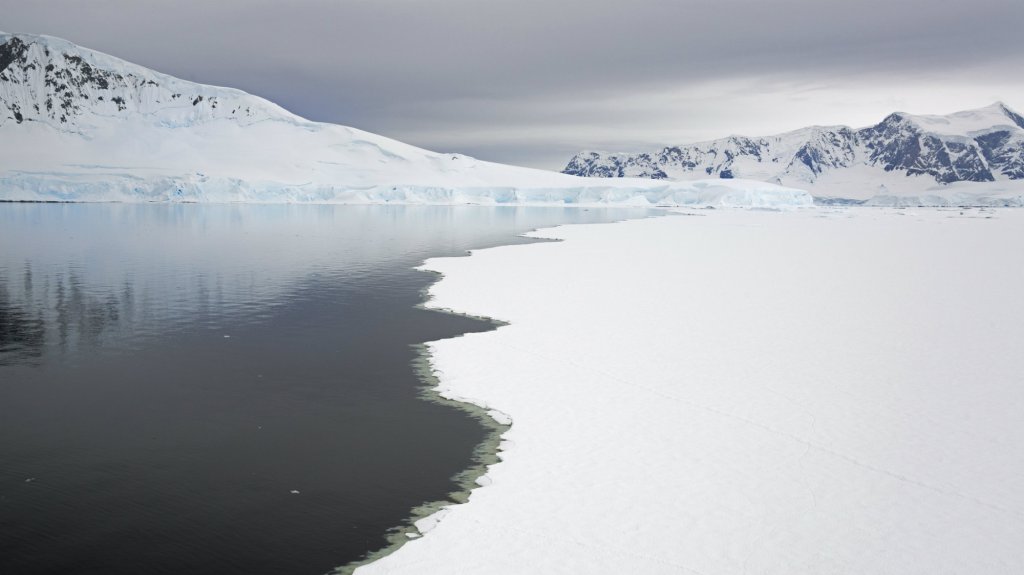
As the effects of climate change become increasingly apparent, it is crucial for us to focus on adaptation strategies in even the most remote and vulnerable regions, such as Antarctica. The continent may seem distant and disconnected from our daily lives, but its role in regulating global climate cannot be underestimated. Here are some key strategies that can help mitigate the impact of climate change in Antarctica:
1. **Promoting Sustainable Practices**: Encouraging sustainable practices such as reducing carbon emissions, minimizing waste, and promoting renewable energy sources can significantly reduce the human impact on Antarctica’s fragile ecosystem.
2. **Enhancing Research and Monitoring**: Investing in research and monitoring programs to better understand how climate change is affecting Antarctica is essential for developing effective adaptation strategies. This includes studying ice melt patterns, wildlife populations, and changes in sea levels.
3. **Protecting Marine Ecosystems**: Implementing marine protected areas and regulations to prevent overfishing and habitat destruction can help preserve Antarctica’s unique biodiversity.
4. **Building Resilient Infrastructure**: As temperatures rise and ice melts accelerate, it is important to ensure that infrastructure in Antarctica is built to withstand these changing conditions. This includes designing buildings that can resist extreme weather events and rising sea levels.
5. **Educating the Public**: Increasing public awareness about the importance of Antarctica and the need for conservation efforts is vital for garnering support for adaptation strategies. Education can inspire individuals to take action in their own lives to combat climate change.
6. **Collaboration with Indigenous Communities**: Working closely with indigenous communities in Antarctica can provide valuable insights into traditional knowledge and practices that have sustained them for generations in harsh environments.
By implementing these adaptation strategies, we can work towards safeguarding Antarctica’s unique environment for future generations while also mitigating the broader impacts of climate change on a global scale. It is imperative that we act now before irreversible damage occurs – together we can make a difference!
 Alternative Amie
Leave a comment