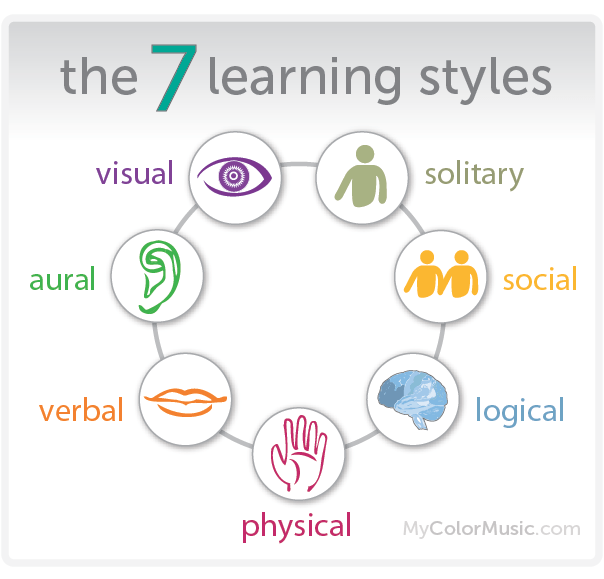
Supporting diverse learning styles is crucial in creating inclusive and effective educational environments for students. Each individual has unique ways of processing information, retaining knowledge, and demonstrating understanding. As educators, it is essential to recognize these differences and provide tailored support to help all students succeed. In this article, we will explore 15 strategies to support diverse learning styles in alternative schooling and education settings.
1. **Identify Learning Styles:** The first step in supporting diverse learning styles is to identify the different ways in which students learn best. Some may be visual learners who benefit from diagrams and images, while others are auditory learners who excel through listening activities. Kinesthetic learners prefer hands-on experiences, while reading/writing learners thrive on written materials.
2. **Offer Varied Instructional Methods:** To cater to a range of learning styles, alternative schools can incorporate varied instructional methods into their teaching practices. This may include lectures for auditory learners, group discussions for verbal communicators, role-playing exercises for kinesthetic learners, and visual aids for those who learn best through seeing information.
3. **Provide Multisensory Learning Opportunities:** Engaging multiple senses can enhance learning experiences for students with diverse needs. Incorporating music, movement activities, tactile materials, and interactive games can help reinforce concepts and make lessons more memorable for kinesthetic and sensory learners.
4. **Personalize Learning Experiences:** Recognizing that each student has individual strengths and challenges is key to supporting diverse learning styles. Alternative schools can personalize learning experiences by offering flexible assignments, allowing choice in projects or topics of study, and providing opportunities for self-directed learning based on student interests.
5. **Use Technology as a Tool:** Technology can be a powerful tool in accommodating different learning styles. Alternative schools can utilize educational apps, interactive websites, virtual reality simulations, audiobooks, podcasts, and other digital resources to engage students across various modalities.
6. **Encourage Collaboration:** Collaborative activities promote social interaction among students with different learning preferences while fostering teamwork skills essential in real-world settings. Group projects allow students to leverage their strengths collectively and learn from one another’s perspectives.
7 .**Implement Universal Design for Learning (UDL):** UDL principles emphasize flexibility in teaching methods by providing multiple means of representation,
expression,
and engagement.
By incorporating UDL strategies such as offering
alternative formats
for content delivery,
options
for demonstrating knowledge,
and varied
means of engaging with material,
alternative schools
can better accommodate diverse learner needs.
8 .**Create Positive Learning Environments:**
A positive,
inclusive atmosphere helps foster an environment where all students feel valued
and supported.
Alternative schools should prioritize empathy,
respect,
and acceptance among peers
as well as educators.
Celebrating diversity enhances the overall educational experience
and promotes equity within the school community.
9 .**Incorporate Differentiated Instruction:**
Differentiated instruction involves tailoring teaching approaches based on individual student needs.
Alternative school teachers can differentiate content,
processes,
products,
or assessments according to varying abilities
learning preferences
prior knowledge levels.
10 .**Utilize Flexible Seating Arrangements:**
Flexible seating arrangements allow students
to choose workspaces that suit their comfort
learning style preferences.
Options might include standing desks,
beanbags,
floor cushions,
or traditional tables/chairs.
11 .**Provide Regular Feedback:**
Timely feedback helps guide student progress
adjust teaching strategies accordingly.
Alternative school educators should offer constructive feedback tailored
individual learner needs
encouraging growth development.
12 .**Embrace Cultural Diversity:**
Recognizing celebrating cultural diversity enriches the educational experience fosters inclusivity within alternative schooling environments.
By incorporating multicultural perspectives into curriculum design,
educators demonstrate respect
appreciation
diverse backgrounds
experiences represented within classroom communities.
13 .**Promote Self-Advocacy Skills:**
Encouraging self-advocacy skills empowers students
communicate their unique
needs effectively advocate
necessary accommodations supports.
14 .
Foster Growth Mindset:
Fostering growth mindset encourages resilience perseverance among alternative school
students.
Educators should praise effort process-oriented achievements over innate ability talents,
encouraging continuous improvement personal development.
15 .
Collaborate Families Community Stakeholders:
Collaboration families community stakeholders critical supporting diverse learner needs.
Engaging parents guardians conversations about student progress challenges allows holistic approach addressing individualized needs outside classroom setting.
Partnering local organizations businesses create meaningful experiential opportunities that align with varied learner interests aptitudes also enriches overall educational experience.
In conclusion,
supporting diverse learning styles requires intentional efforts create inclusive equitable educational environments where every student empowered thrive.
Adopting strategies such personalized instruction technology integration multisensory activities collaboration key promoting success individuals varying abilities modalities.
By embracing diversity celebrating uniqueness each learner,
alternative schools pave way transformative impactful education positively influences future generations.
 Alternative Amie
Leave a comment