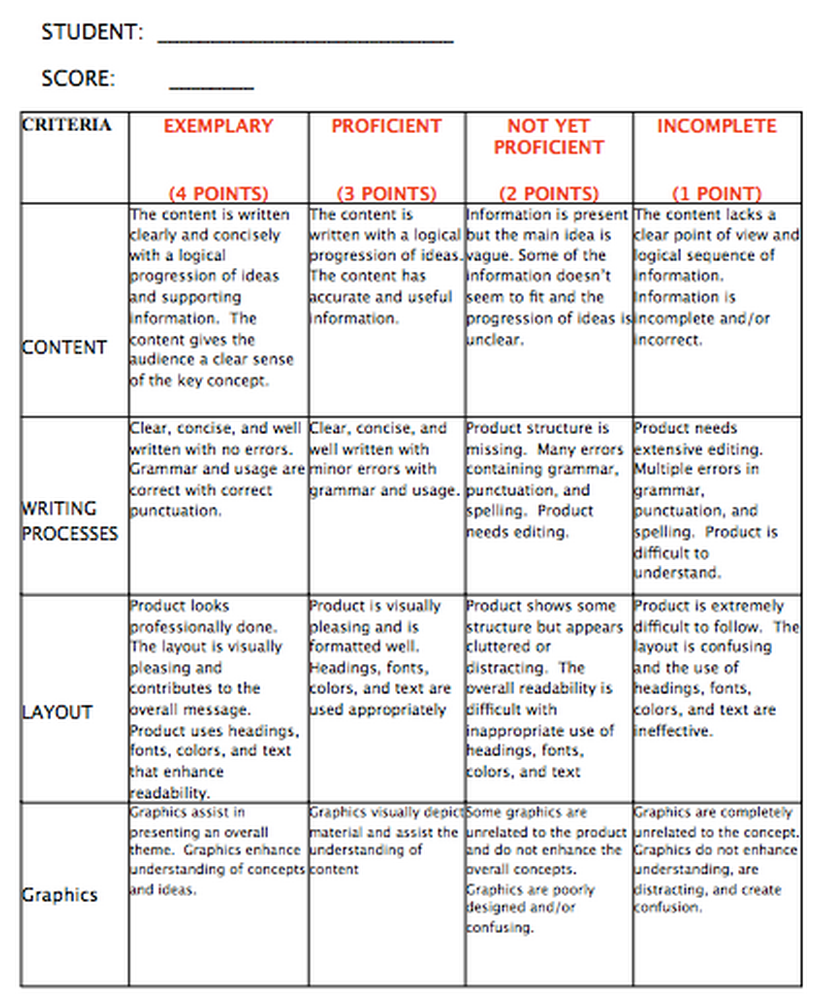
Rubrics are powerful tools used in education to assess student performance and provide clear expectations for assignments. They outline specific criteria and levels of achievement, making it easier for both students and teachers to understand what is expected and how their work will be evaluated. Rubrics can be beneficial in alternative schooling environments by providing a structured way to assess non-traditional forms of learning, such as project-based or experiential learning.
Here are some key reasons why rubrics are essential in alternative education settings:
1. **Clarity and Consistency**: Rubrics clearly define the expectations for an assignment, ensuring that all students understand what is required to achieve a certain grade. This clarity helps maintain consistency in grading across different students and even different teachers.
2. **Feedback**: Rubrics provide specific feedback on areas of strength and weakness in a student’s work. This feedback is more meaningful than a simple letter grade because it highlights where improvements can be made.
3. **Promotes Self-Assessment**: When students have access to the rubric before starting an assignment, they can self-assess their work against the criteria provided. This encourages metacognition (thinking about one’s own thinking) and helps students take ownership of their learning.
4. **Encourages Higher-Level Thinking**: A well-designed rubric includes criteria that go beyond just checking off boxes; it requires students to demonstrate critical thinking skills, creativity, communication abilities, etc., depending on the nature of the assignment.
5. **Differentiation**: In alternative schooling environments where diverse learners may have varying strengths and weaknesses, rubrics can be adapted or modified to accommodate different learning styles or needs while still maintaining consistent evaluation standards.
When creating a rubric for alternative schooling environments, here are some tips to keep in mind:
1. **Start with Learning Objectives**: Clearly define the purpose of the assignment and what you want students to achieve through it. The rubric should align closely with these objectives.
2. **Use Clear Language**: Avoid jargon or vague terms in your rubric descriptions; instead, use language that is easily understandable by both teachers and students.
3. **Include Examples**: Providing examples of what meets each level of achievement can help clarify expectations further for everyone involved.
4 .**Consider Multiple Intelligences**: Alternative education often caters to diverse ways of learning; consider incorporating criteria that recognize various intelligences beyond traditional academic measures.
5 .**Involve Students in Creating Rubrics**: Depending on the age group or developmental stage of your learners, involving them in creating or refining rubrics can increase their understanding and buy-in into the assessment process.
In conclusion, using rubrics effectively in alternative schooling environments can enhance assessment practices by providing clear guidelines for evaluating student work while promoting deeper learning experiences beyond traditional assessments like tests or quizzes.
 Alternative Amie
Leave a comment