Coastal zone management is crucial for the protection and sustainable development of coastal areas. With increasing human activities and climate change impacts, it has become more important than ever to implement effective strategies to preserve these valuable ecosystems. In this post, we will explore some common coastal zone management strategies that aim to balance environmental conservation with socio-economic development.
1. What is coastal zone management?
Coastal zone management refers to the planning and regulation of human activities in coastal areas to ensure their sustainable use while protecting the natural environment. It involves a holistic approach that takes into consideration various factors such as biodiversity, water quality, land use, infrastructure development, and community livelihoods.
2. Why is coastal zone management important?
Coastal zones are dynamic environments where land meets the sea, supporting diverse ecosystems and providing numerous benefits to humans such as fisheries, tourism opportunities, and protection from natural hazards like storms and erosion. Effective management helps prevent overexploitation of resources, habitat degradation, pollution, and loss of biodiversity.
3. Integrated Coastal Zone Management (ICZM)
One commonly used strategy is Integrated Coastal Zone Management (ICZM), which promotes a coordinated approach involving multiple stakeholders including government agencies, local communities, NGOs, and businesses. ICZM aims to address conflicting interests through participatory decision-making processes that take into account social equity and ecological sustainability.
4. Marine Protected Areas (MPAs)
Establishing Marine Protected Areas (MPAs) is another key strategy in coastal zone management. MPAs are designated areas where human activities are restricted or regulated to protect marine habitats and species. They help conserve biodiversity, restore degraded ecosystems, support fisheries replenishment, and enhance resilience against climate change impacts.
5. Zoning regulations
Zoning regulations play a crucial role in managing land use along coastlines by designating specific areas for different purposes such as residential development, commercial activities, agriculture, conservation zones, or recreational facilities. By controlling urban sprawl and preserving natural habitats through zoning laws,
6.Beach nourishment
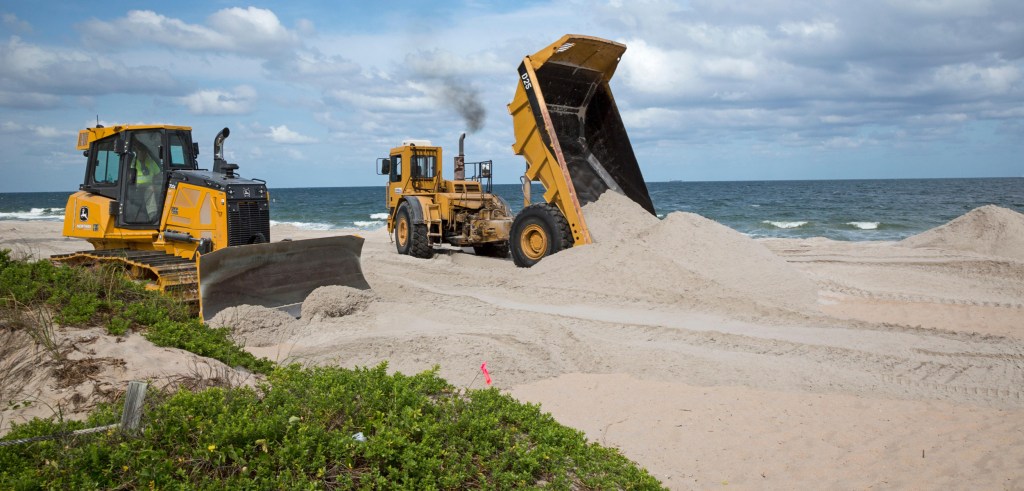
Beach nourishment involves adding sand or sediment to eroded shorelines to widen beaches or restore natural dunes lost due to erosion processes.This strategy helps mitigate coastal erosion risks,
7.Dune restoration
Dunes act as natural barriers that protect coastlines from storm surges,making dune restoration an essential component of coastal zone management.
8.Managed retreat
Managed retreat involves relocating existing developments away from vulnerable coastlines in response to sea-level rise or extreme weather events.This strategy allows nature room respond naturally,
9.Climate change adaptation measures
Given the increasing threats posed by climate change on coastlines,such as rising sea levels,stronger storms,and ocean acidification,it’s essential for coastal zone managers tto implement adaptation measures.These may include building seawalls,replanting mangroves,to reduce flood risks,
10.Public education & awareness campaigns
Public education programs can raise awareness about the importance of conserving coasts among residents,tourists,and businesses.Community engagement fosters stewardship attitudes towards protecting coasts for future generations.
11.Cooperation & partnerships
Collaboration between government agencies,research institutions,private sector enterprises,and local communities strengthens efforts towards effective coastal resource stewardship.Sharing knowledge,resources,and expertise can lead
12.Legal frameworks & enforcement mechanisms
Establishing strong legal frameworks backed by enforceable regulations ensures compliance with coastal management policies.Penalties for violations,d monitoring mechanisms help deter illegal activities harmful othe marine environment.
In conclusion,effective Coastal Zone Management requires a combination of strategies tailoredto each unique coastline’s needs.A holistic approach encompassing environmental protection,social equity,economic sustainability,is necessaryfor preservin our valuablecoastal resourcesfor currentandfuture generations
 Alternative Amie
Leave a comment