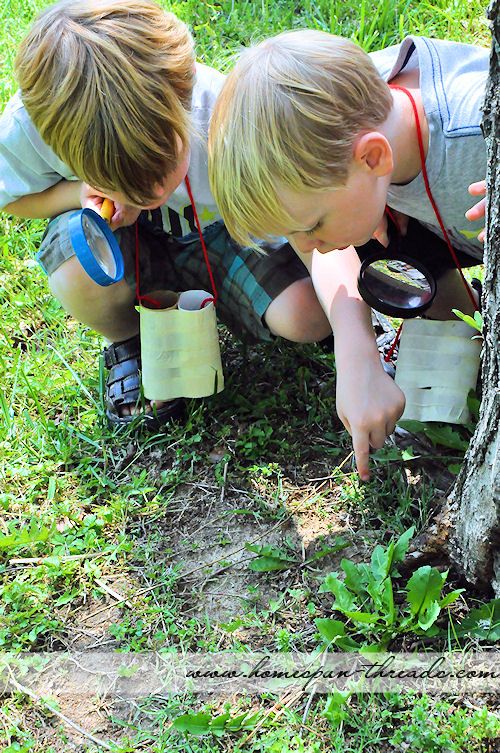
Outdoor education is a dynamic approach to learning that takes place in the natural environment, providing students with hands-on experiences and opportunities for exploration and discovery. This educational philosophy is centered on the belief that engaging with nature can enhance academic, personal, and social development.
One of the key benefits of outdoor education is its ability to foster a sense of environmental stewardship. By immersing students in nature, they develop a deeper appreciation for the natural world and gain an understanding of ecological systems. This firsthand experience often leads to greater awareness of environmental issues and encourages sustainable practices.
Additionally, outdoor education promotes physical health and well-being. Spending time outdoors allows students to engage in physical activity such as hiking, rock climbing, or canoeing, promoting fitness and overall health. Moreover, being in nature has been shown to reduce stress levels and improve mental health.
Another important aspect of outdoor education is its focus on experiential learning. Instead of traditional classroom-based instruction, students learn through direct experiences in the outdoors. This hands-on approach not only enhances academic knowledge but also helps develop critical thinking skills, problem-solving abilities, and teamwork.
Furthermore, outdoor education provides unique opportunities for personal growth and character development. Facing challenges in the wilderness encourages resilience, perseverance, and self-confidence. Students learn to overcome obstacles outside their comfort zones while developing leadership skills and building relationships with their peers.
In conclusion, outdoor education offers a holistic approach to learning that integrates academics with real-world experiences in nature. By connecting with the environment through hands-on activities and exploration, students develop important skills while fostering a deep connection with the natural world around them.
 Alternative Amie
Leave a comment