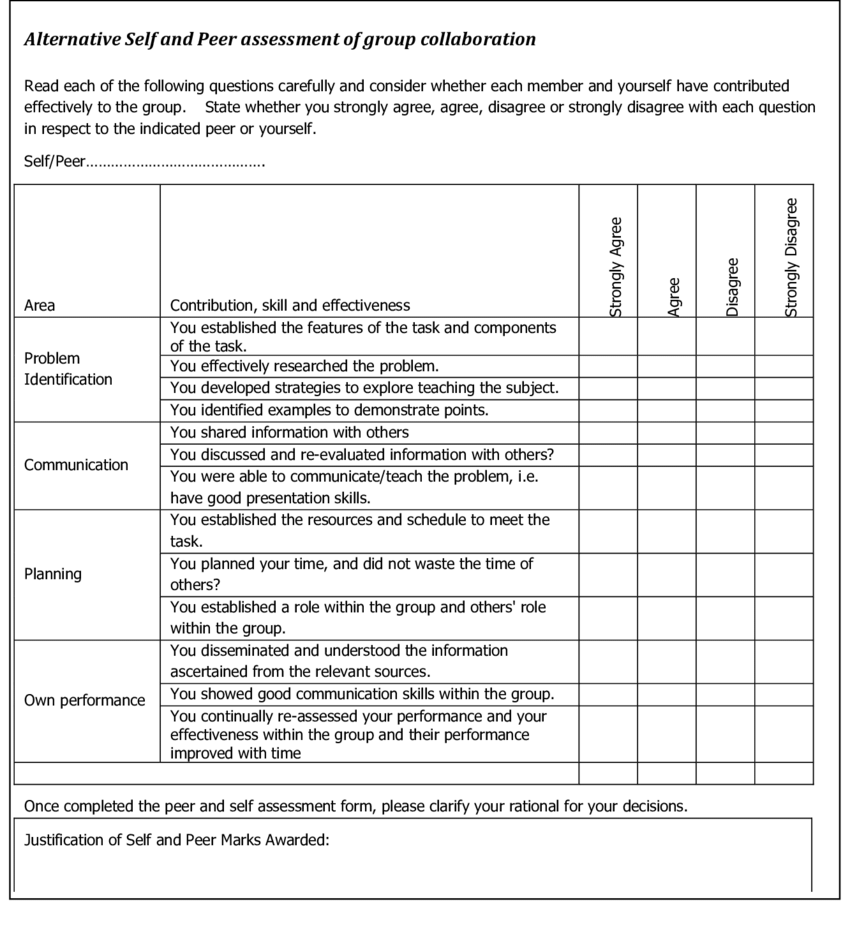
Self-assessment techniques are valuable tools for students in alternative schooling and education programs. Encouraging students to reflect on their own work, strengths, and areas for growth can foster a sense of ownership over their learning journey. Self-assessment techniques can range from simple checklists to more detailed reflection prompts or rubrics tailored to specific projects or assignments. By engaging in self-assessment, students can develop metacognitive skills that will serve them well beyond the classroom.
Peer feedback strategies play a crucial role in alternative education settings by promoting collaboration and fostering a culture of constructive criticism among students. Peer feedback allows learners to receive insights from their peers who may offer different perspectives or approaches to a given task. This process not only enhances the quality of work produced but also helps students develop communication and interpersonal skills essential for success in various professional settings.
Incorporating peer assessment in project-based learning is particularly beneficial as it simulates real-world scenarios where individuals must rely on each other’s feedback and expertise to achieve common goals. By engaging in peer assessment during project-based activities, students learn how to give and receive feedback effectively, collaborate with others, and refine their work based on multiple perspectives.
The shift towards virtual classrooms has made peer assessment even more relevant as it provides opportunities for remote learners to engage with their peers despite physical distance. Utilizing online platforms for peer assessment enables students to exchange feedback asynchronously, accommodating diverse schedules while still benefiting from collaborative learning experiences.
Peer assessment is also instrumental in promoting social-emotional learning (SEL) outcomes among students in alternative schooling environments. Through providing constructive feedback, empathizing with peers’ perspectives, and resolving conflicts that may arise during the assessment process, students enhance their emotional intelligence and build stronger relationships within the learning community.
Technology plays a pivotal role in facilitating peer assessment processes by offering platforms where students can provide feedback through digital means such as comments sections, shared documents, or multimedia presentations. These tech tools not only streamline the peer assessment process but also make it more engaging and interactive for participants.
In special education settings, peer assessment can be tailored to accommodate diverse learning needs by utilizing visual aids, simplified language prompts, or assistive technologies that support individualized assessments. Peer assessments allow special education students to practice giving and receiving feedback within a supportive environment that values inclusivity and diversity.
While there are numerous benefits associated with incorporating peer assessment into non-traditional educational contexts like alternative schooling programs – including enhanced critical thinking skills, improved communication abilities, increased self-awareness – challenges may arise when implementing these strategies due to varying levels of student readiness or comfort with providing feedback openly.
Despite these challenges, adult learners enrolled in alternative education programs stand to gain significantly from engaging in peer assessments as they promote autonomy over one’s learning progress while fostering a sense of community within the cohort. Peer assessments encourage adult learners to take ownership of their educational journey while benefiting from diverse perspectives offered by fellow participants.
Overall, integrating peer assessments across various domains – such as creative arts projects, language learning initiatives outdoor education activities vocational training programs student-led workshops seminars experiential experiential community service independent study teamwork collaboration diversity inclusion enriches the educational experience fosters holistic development among learners prepares them for success both academically professionally socially culturally making it an invaluable tool for educators working within alternative schooling environments.
 Alternative Amie
Leave a comment