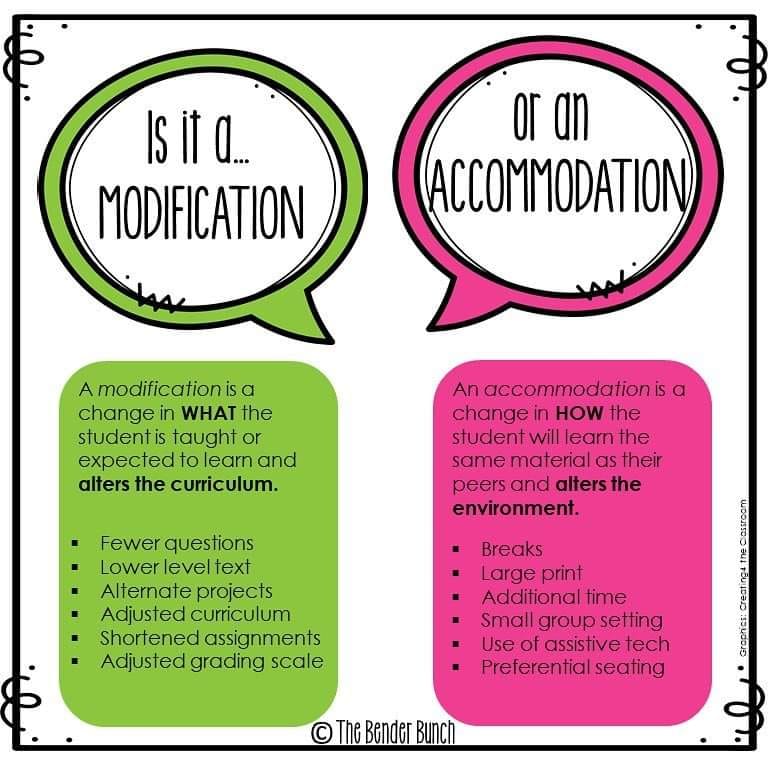
Accommodations and modifications are essential components of an Individualized Education Program (IEP) that aim to support students with diverse learning needs. These adjustments ensure that students have equal access to education and can fully participate in the classroom environment. Accommodations typically refer to changes in how a student learns material, while modifications involve altering what is being taught or expected from the student.
Accommodations may include providing extended time for assignments or tests, offering preferential seating in the classroom, allowing the use of assistive technology, breaking tasks into smaller steps, providing visual aids or graphic organizers, and offering frequent breaks during instruction. Modifications, on the other hand, may involve simplifying reading materials, reducing the number of math problems assigned, adjusting grading criteria, or offering alternative assessments.
Transition planning is another crucial aspect of special education that focuses on preparing students for life after high school. This process begins as early as age 14 and involves setting goals related to post-secondary education, employment opportunities, independent living skills, and community involvement. Transition planning also includes vocational assessments to identify strengths and interests that can guide career exploration and job training opportunities.
Parent involvement is fundamental in the development and implementation of an IEP. Parents are key members of the IEP team and play a vital role in advocating for their child’s needs, collaborating with teachers and service providers, reviewing progress reports regularly, attending IEP meetings, and participating in decision-making processes regarding accommodations and services. Strong communication between parents and school staff fosters a supportive educational environment that benefits the student’s overall growth.
Goal setting within an IEP involves establishing specific objectives tailored to meet each student’s unique learning requirements. These goals should be measurable, achievable within a specified timeframe, relevant to the student’s academic progress or functional abilities, and aligned with state academic standards. Progress towards these goals is monitored regularly through data collection methods such as standardized assessments or teacher observations.
Assessments and evaluations are critical tools used in special education to determine a student’s current level of performance across various areas such as academics, behavior management skills social interactions sensory processing abilities speech-language development motor skills adaptive functioning etc.. Properly conducted assessments help identify areas where interventions are needed assess progress document outcomes inform instructional decisions facilitate communication among team members track long-term growth levels measure program effectiveness comply legal requirements fulfill eligibility criteria qualify specialized services secure funding resources generate evidence-based practices develop intervention plans monitor response treatment evaluate individual responses etc..
Assistive technology plays a significant role in supporting students with disabilities by enhancing their independence productivity communication interaction participation inclusion engagement access success empowerment creativity innovation self-determination quality life daily living activities socialization academic achievement skill development career readiness lifelong learning potential well-being overall integration society Assistive technology devices range from low-tech solutions like pencil grips audiobooks picture schedules word processors calculators highlight tape timers sensory cushions weighted blankets adapted utensils visual supports modified keyboards adaptive switches screen readers augmentative alternative communication AAC systems electronic organizers text-to-speech software voice recognition programs eye gaze tracking devices smartboards interactive whiteboards touchscreens tablets mobile apps virtual reality headsets robotic devices exoskeletons haptic feedback systems wearables biofeedback monitors environmental controls home automation personal alarms mobility aids wheelchairs walkers crutches canes braces prosthetics orthotics ramps lifts vehicle adaptations strollers scooters custom seating positioning specialty furniture inclusive playground equipment therapeutic toys games manipulatives e-books digital libraries online courses webinars video tutorials remote teletherapy telehealth applications distance conferencing platforms cloud storage databases cybersecurity features privacy safeguards data encryption parental controls content filters network firewalls virus protection backup solutions disaster recovery mechanisms technical support troubleshooting maintenance updates upgrades patches enhancements user training guides warranties information manuals safety instructions vendor contacts emergency protocols crisis plans Community resources nonprofits foundations agencies clinics hospitals schools universities colleges businesses vendors manufacturers retailers distributors consultants contractors professionals experts educators therapists researchers policymakers advocates attorneys insurance companies health care providers specialists regulators accreditation bodies standard organizations industry associations trade groups government initiatives legislative mandates funding sources grants scholarships loans tax credits rebates deductions exemptions waivers discounts subsidies reimbursements incentives rewards bonuses competitions contests lotteries auctions raffles crowdfunding donations sponsorships partnerships collaborations joint ventures mergers acquisitions integrations alliances expansions diversifications consolidations divestitures spin-offs resellers agents brokers affiliates franchisees licensors licensees contractors suppliers subcontractors developers designers engineers scientists technicians programmers analysts testers evaluators auditors reviewers certifiers inspectors advisors coaches mentors tutors trainers speakers presenters authors editors publishers journalists bloggers vloggers influencers podcasters broadcasters filmmakers photographers artists musicians actors performers celebrities endorsers entrepreneurs startups incubators accelerators coworking spaces makerspaces fablabs hackathons conferences symposiums seminars workshops trainings certifications credentials degrees licenses registrations permits memberships affiliations accreditations qualifications competencies proficiencies specialties concentrations disciplines domains sectors industries professions vocations occupations careers trades crafts hobbies passions interests talents skills experiences expertise knowledge insights perspectives trends innovations best practices strategies theories models frameworks methodologies approaches techniques tools technologies products services solutions applications platforms systems algorithms interfaces networks infrastructures architectures environments policies procedures regulations guidelines standards benchmarks codes ethics aesthetics cultures traditions identities diversities similarities differences challenges barriers limitations risks threats vulnerabilities crises emergencies disasters conflicts disputes controversies scandals frauds crimes abuses violations damages injuries losses impacts consequences effects outcomes improvements advancements breakthroughs revolutions transformations adaptations evolutions transitions migrations translations localizations globalizations interconnections communications interactions transactions exchanges collaborations cooperations partnerships relationships engagements connections communities societies civilizations ecosystems environments landscapes contexts paradigms mindsets behaviors attitudes values beliefs norms expectations responsibilities accountabilities commitments obligations rights privileges freedoms justices equities dignities affordances capacities potentials possibilities probabilities contingencies uncertainties ambiguities complexities nuances intricacies variations fluctuations disruptions instabilities instabilities resistances adaptability flexibilities preferences choices priorities aspirations motivations inspirations determinants influencers motivators drivers catalysts triggers impediments obstacles challenges hindrances setbacks delays complications confusions misunderstandings miscommunications misinterpretations disagreements tensions conflicts controversies disappointments frustrations dissatisfactions resignations burnouts failures collapses breakdowns relapses regressions stagnancies complacencies apathies cynicisms negativities pessimisms depressions anxieties fears worries stresses tensions pressures burdens loads strains demands constraints limitations boundaries rules regulations laws statutes constitutions charters declarations agreements treaties conventions protocols resolutions decisions actions reactions interactions transactions discourses dialogues debates deliberat…
 Alternative Amie
Leave a comment