Budgeting is a crucial life skill that everyone should learn, including students in alternative schooling and education programs. Understanding how to manage money effectively not only leads to financial stability but also teaches valuable lessons about responsibility and planning for the future.
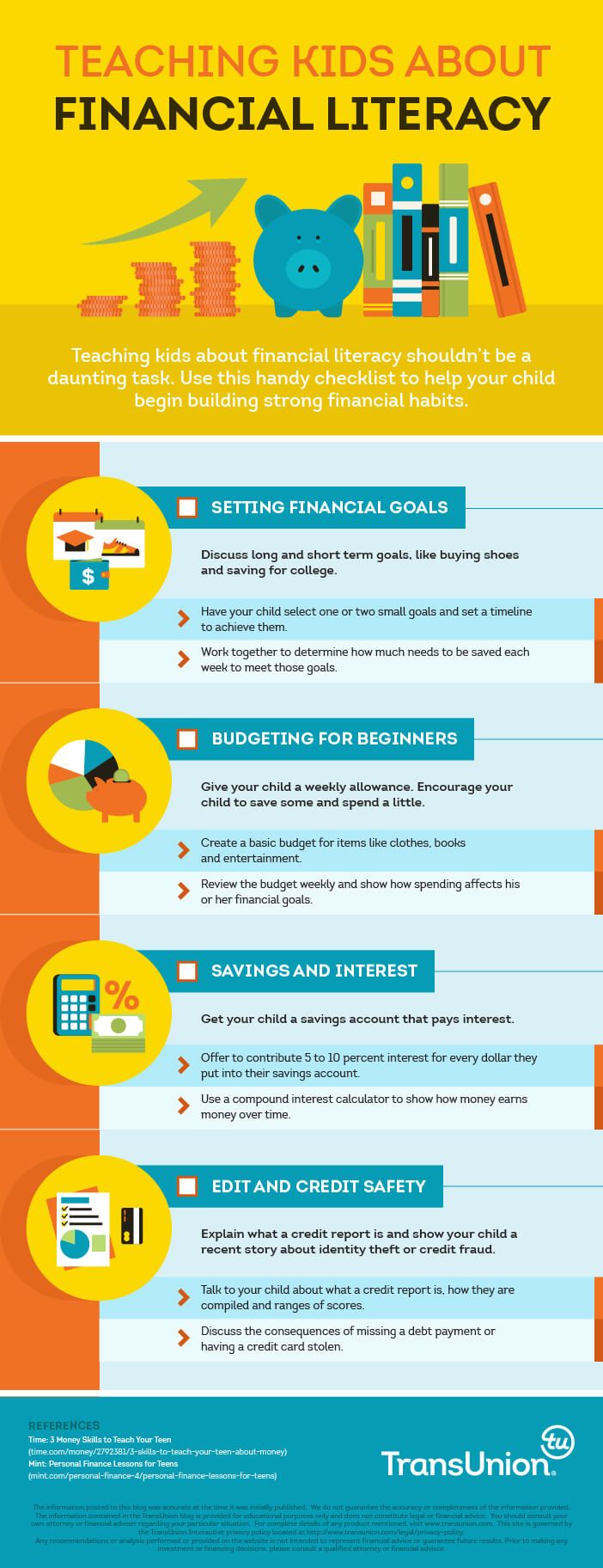
One of the key aspects of budgeting is setting financial goals. Whether it’s saving up for a new laptop, planning a trip, or building an emergency fund, having clear objectives can help students stay motivated and focused on their financial habits.
Creating a budget starts with tracking income and expenses. Students can begin by listing all sources of income, such as allowances or part-time job earnings. Next, they should track their expenses by recording every purchase they make over a set period, whether it’s weekly or monthly. By comparing income to expenses, students can identify areas where they may need to cut back or save more.
Another important element of budgeting is distinguishing between needs and wants. While it’s essential to cover necessary expenses like food, transportation, and school supplies, students should also be mindful of discretionary spending on items that are not essential. Learning to prioritize needs over wants can help build good money management habits early on.
Budgeting also involves making room for unexpected expenses by creating an emergency fund. Setting aside a portion of income into a separate savings account can provide a financial safety net in case of emergencies like medical bills or car repairs.
Lastly, reviewing and adjusting the budget regularly is crucial for long-term success. Students should monitor their spending habits periodically and make adjustments as needed to ensure they are staying on track with their financial goals.
Overall, teaching budgeting skills in alternative schooling environments provides students with practical knowledge that will benefit them throughout their lives. By instilling responsible money management habits early on, educators empower students to make informed decisions about their finances and achieve greater financial independence in the future.
 Alternative Amie
Leave a comment