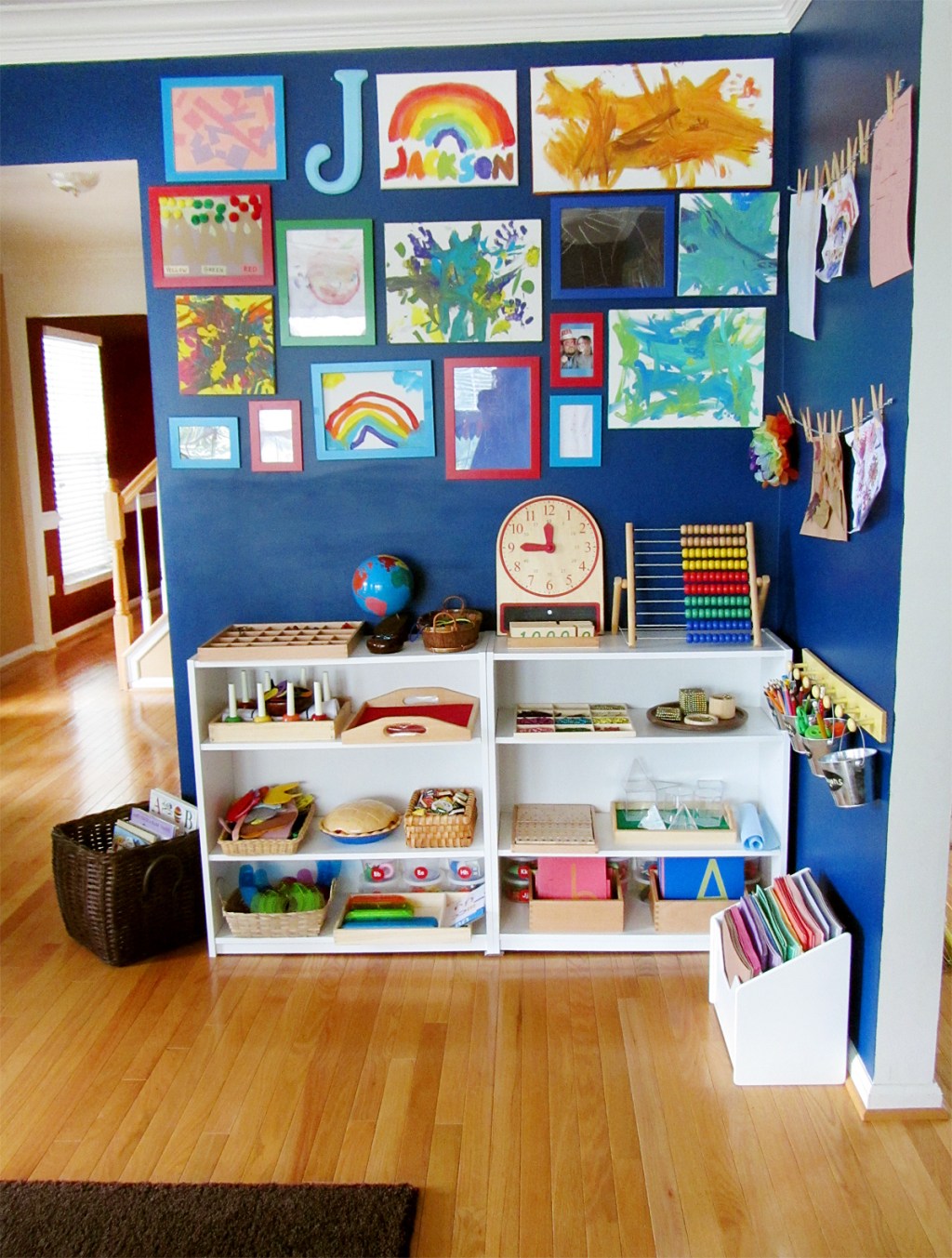
Montessori Education:
Q: What is Montessori education?
A: Montessori education is an educational approach developed by Dr. Maria Montessori that focuses on child-centered learning, independence, and hands-on activities. It emphasizes individualized learning and encourages children to learn at their own pace through exploration and discovery.
Waldorf Education:
Q: What sets Waldorf education apart from traditional schooling?
A: Waldorf education, inspired by Rudolf Steiner’s philosophy, places a strong emphasis on holistic development, creativity, and imagination. In Waldorf schools, there is a focus on experiential learning through arts, music, movement, and nature-based activities. The curriculum is designed to nurture the whole child – intellectually, emotionally, socially, and physically.
Unschooling:
Q: How does unschooling differ from traditional homeschooling?
A: Unschooling is a form of homeschooling where children have the freedom to direct their own learning experiences based on their interests and passions. Unlike traditional schooling or even some forms of homeschooling which follow a structured curriculum or schedule, unschoolers believe that children learn best when they are motivated by their own curiosity.
Reggio Emilia Approach:
Q: What principles guide the Reggio Emilia approach to education?
A: The Reggio Emilia approach originated in Italy after World War II and is known for its emphasis on collaboration among students, teachers, and parents. This approach values the environment as a third teacher and promotes project-based learning where children explore topics that interest them deeply with guidance from educators.
Project-Based Learning:
Q: How does project-based learning benefit students?
A: Project-based learning allows students to engage in real-world problems or challenges that require critical thinking skills, creativity, collaboration with peers. By working on projects over an extended period of time students develop important skills such as research abilities communication skills problem-solving abilities resilience perseverance.
Outdoor Education:
Q: Why is outdoor education important for children’s development?
A: Outdoor education provides opportunities for hands-on exploration nature connection physical activity which are all crucial for healthy childhood development environmental awareness stewardship fostering appreciation for the natural world
Experiential Learning:
Q: What role does experiential learning play in alternative schooling approaches?
A – Experiential learning plays a central role in many alternative schooling approaches as it emphasizes hands-on experiences real-world application of concepts rather than rote memorization passive absorption information this method can lead deeper understanding retention knowledge
Homeschooling Resources:
-Q-What resources are available to support homeschooling families?
-A- Homeschooling families have access wide range resources including online curricula textbooks educational materials local co-ops extracurricular activities field trips library programs museums community organizations teaching tools support groups ensure successful fulfilling educational experience at home
 Alternative Amie
Leave a comment