Panel Discussion:
Today, we are excited to delve into various collaborative learning strategies and approaches that are being implemented in alternative schools. These methods aim to foster a sense of community, enhance social skills, promote critical thinking, and create a supportive environment for students. Let’s explore some innovative practices that have been gaining popularity in alternative education settings.
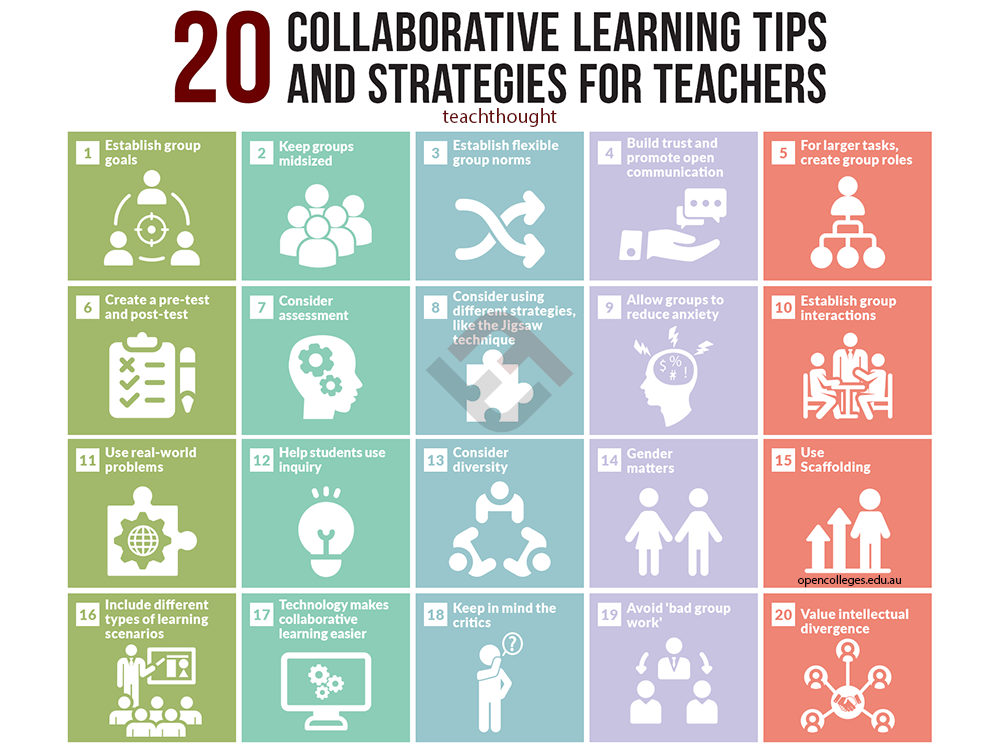
The Jigsaw method is one such approach that encourages cooperation and teamwork among students. This technique involves dividing students into small groups where each member becomes an expert on a specific topic before sharing their knowledge with the rest of the group. This not only helps in knowledge acquisition but also promotes peer teaching and collaboration.
Peer tutoring is another effective strategy used in cooperative learning environments. By pairing students with varying skill levels, this method allows for mutual support and understanding among peers. Students can benefit from personalized attention and guidance from their classmates while developing empathy and leadership skills.
Role-playing activities offer a creative way to encourage collaboration and communication within groups. By assuming different roles or perspectives, students can gain a deeper understanding of complex issues while honing their problem-solving abilities through interactive scenarios.
Problem-based learning is widely embraced in non-traditional education settings as it emphasizes real-world challenges that require collaborative solutions. By working together on authentic problems, students can apply their knowledge in meaningful ways while developing critical thinking skills and resilience.
Collaborative projects provide opportunities for hands-on learning experiences that foster teamwork and creativity. Whether creating art installations, organizing community events, or conducting scientific experiments, these projects enable students to work towards common goals while celebrating individual strengths.
Cross-age peer mentoring programs offer unique opportunities for older students to guide younger ones through academic or personal challenges. This mentorship model promotes positive relationships across different age groups while fostering empathy, leadership skills, and a sense of responsibility within the school community.
Cooperative learning strategies tailored for students with special needs prioritize inclusivity and support within the classroom setting. By providing accommodations, promoting peer assistance, and adapting instructional methods accordingly, educators can ensure that all learners actively participate in collaborative activities.
Incorporating technology into collaborative learning initiatives opens up new possibilities for engagement and interaction among students. From virtual collaborations to online platforms facilitating group projects, technology enhances communication channels while promoting digital literacy skills essential for today’s interconnected world.
Outdoor experiential learning offers a refreshing approach to cooperative activities by taking education beyond the classroom walls. Through nature-based adventures or environmental exploration, students can develop teamwork skills while cultivating a deep appreciation for the natural world.
 Alternative Amie
Leave a comment