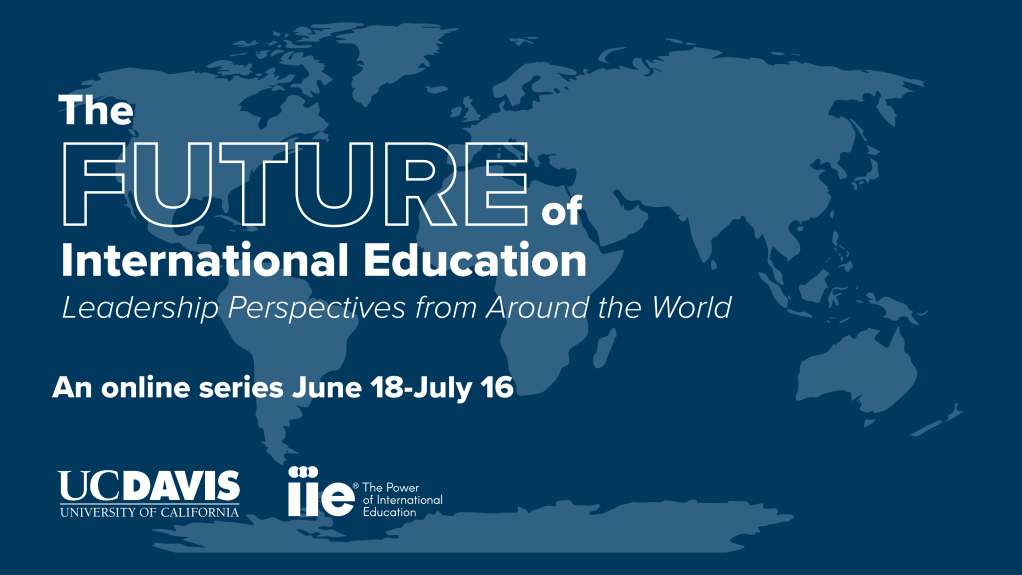
Global perspectives play a crucial role in shaping our understanding of education and schooling. By exploring different approaches to learning and teaching from around the world, we can gain valuable insights into what works well in education and what challenges need to be addressed. Alternative schooling and education provide a unique platform for embracing diverse global perspectives, allowing students to benefit from a wide range of educational practices.
One key aspect of global perspectives on education is the emphasis on holistic development. Many cultures prioritize not only academic success but also social, emotional, and physical well-being. For example, some Nordic countries have adopted an approach that focuses on student well-being as a foundation for learning. This includes providing ample time for outdoor play, fostering creativity through arts and music programs, and promoting collaborative learning environments.
In contrast to traditional methods that often rely heavily on standardized testing and rote memorization, alternative schooling models draw inspiration from progressive educational philosophies worldwide. For instance, the Montessori method developed by Maria Montessori in Italy emphasizes self-directed learning, hands-on exploration, and mixed-age classrooms. Similarly, the Reggio Emilia approach originating in Italy places a strong emphasis on project-based learning driven by children’s interests and curiosity.
Global perspectives also shed light on the importance of cultural relevance in education. Different societies have unique values, traditions, and ways of knowing that should be acknowledged within educational settings. Indigenous communities around the world offer valuable insights into holistic approaches to learning that honor interconnectedness with nature and emphasize oral storytelling as a means of transmitting knowledge across generations.
Furthermore, global perspectives challenge us to rethink traditional notions of achievement and success in education. In many Asian countries like Japan or South Korea, there is a strong emphasis on academic excellence and rigorous testing systems. While this has led to high levels of achievement in certain areas such as mathematics or science, it has also raised concerns about student stress levels and mental health issues.
Alternative schooling initiatives inspired by global perspectives seek to strike a balance between academic rigor and individual well-being. Schools following principles like Waldorf/Steiner education (originating from Germany) prioritize artistic expression alongside intellectual development. They recognize the importance of cultivating creativity, imagination, emotional intelligence while nurturing students’ cognitive abilities.
Another important aspect highlighted by global perspectives is the role of technology in education. In many Western countries like the United States or Finland, there is widespread integration of digital tools in classrooms to enhance teaching and learning experiences. However, some educators caution against over-reliance on technology at the expense of human connection or critical thinking skills.
As we navigate an increasingly interconnected world with complex societal challenges such as climate change or globalization impacting future generations’ lives; it becomes imperative for educators to adopt inclusive pedagogical practices informed by diverse global perspectives.
By drawing upon best practices from different cultures worldwide; alternative schooling can offer innovative solutions tailored towards meeting learners’ needs beyond conventional classroom boundaries.
Ultimately; embracing global perspectives enriches our understanding about what truly matters in education: creating compassionate citizens who are equipped with skills necessary for navigating an ever-evolving landscape while maintaining appreciation for diversity among individuals within local-global contexts.
The journey towards more equitable; sustainable forms relies heavily upon collective efforts aimed at reimagining how we educate coming generations through dialogue rooted deep respect multiple viewpoints contributing positively towards common goal evolving society where every individual given opportunity thrive their fullest potential regardless background circumstances they come from
Whether you’re parent considering alternatives mainstream schools looking broaden your horizons educator wanting incorporate new strategies curriculum design advocate seeking promote inclusive policies across institutions community member interested understanding impact various educational paradigms – exploring diverse array offers invaluable perspective expanding worldview helping shape better future all involved stakeholders invested shaping lives young people today tomorrow alike
 Alternative Amie
Leave a comment