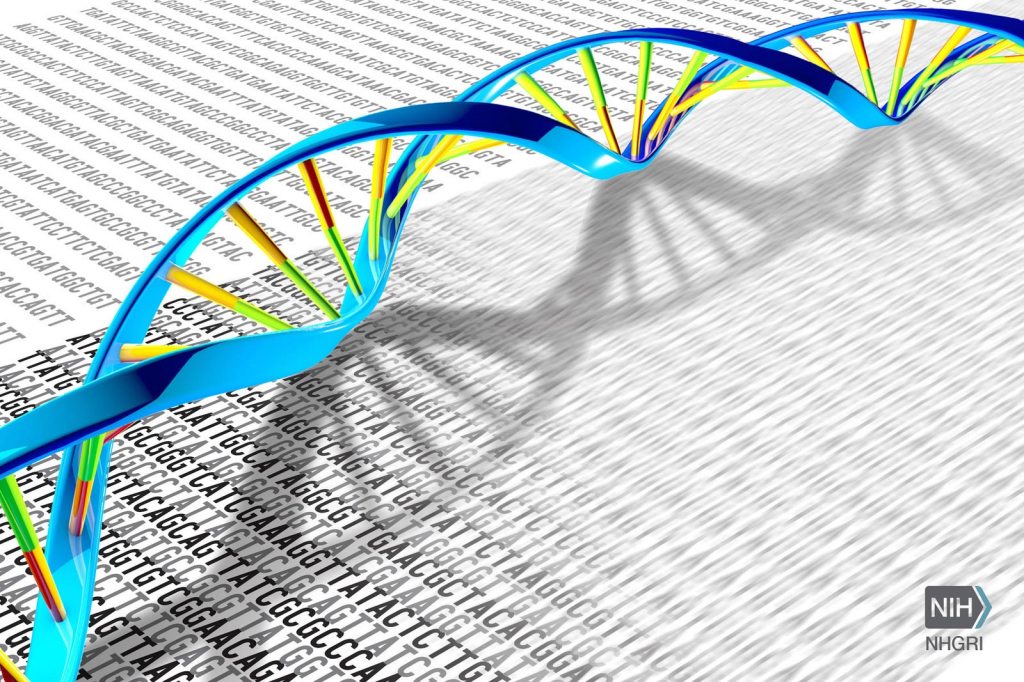
Bioinformatics is a rapidly growing field that combines biology, computer science, and information technology to understand and analyze biological data. This interdisciplinary field has revolutionized the way we study complex biological systems and has a wide range of applications in fields such as genetics, medicine, agriculture, and environmental science.
At its core, bioinformatics involves the use of computational tools and techniques to organize, analyze, interpret, and visualize biological data. With the advancement of high-throughput technologies such as next-generation sequencing, researchers are generating vast amounts of data at an unprecedented rate. Bioinformatics provides the necessary tools to make sense of this deluge of information and extract meaningful insights from it.
One of the key areas where bioinformatics has had a major impact is genomics. The human genome project was a milestone achievement in genomics that paved the way for personalized medicine. By sequencing the entire human genome, scientists were able to identify genetic variations associated with diseases and develop targeted therapies based on an individual’s genetic makeup. Bioinformatics played a crucial role in analyzing this massive amount of genomic data efficiently and accurately.
In addition to genomics, bioinformatics also plays a significant role in proteomics – the study of proteins in living organisms. Proteins are essential molecules that carry out various functions in cells and play a critical role in health and disease. Bioinformatics tools help researchers analyze protein sequences, predict their structure and function, identify interactions with other molecules, and understand their role in different cellular processes.
Furthermore, bioinformatics is instrumental in phylogenetics – the study of evolutionary relationships among organisms based on their genetic material. By comparing DNA or protein sequences from different species, scientists can reconstruct evolutionary trees that show how species are related to each other over time. These phylogenetic analyses provide valuable insights into biodiversity conservation efforts as well as our understanding of how life has evolved on Earth.
Another exciting application of bioinformatics is drug discovery and development. By using computational methods to screen large databases of chemical compounds against specific drug targets identified through genomics or proteomics research, scientists can identify potential new drugs more quickly and cost-effectively than traditional methods. This approach accelerates the drug discovery process by narrowing down the list of candidate compounds for further experimental testing.
In agriculture, bioinformatics is used to improve crop yields by identifying genes responsible for desirable traits such as drought resistance or pest resistance. By studying plant genomes using bioinformatics tools, researchers can develop genetically modified crops that are more resilient to environmental stresses or have higher nutritional value.
Environmental microbiology is another area where bioinformatics plays a crucial role by studying microbial communities present in different ecosystems like soil or oceans using metagenomic approaches – analyzing all genetic material recovered directly from environmental samples without isolating individual organisms first – providing valuable insights into microbial diversity patterns within these environments alongside metabolic pathways present within them which may help us better understand ecosystem functioning
Bioinformaticians work at the intersection between biology (or biotechnology) mathematics/computer science while having skills across multiple disciplines thus enabling them not only analyze but also integrate diverse datasets generate hypotheses test predictions design experiments communicate results effectively decision makers stakeholders alike making one most sought-after professionals today’s job market
Overall Bioinformaticians bridge gap between conventional scientific research modern technological advancements translation bench discoveries bedside patient care aiding development novel therapeutic strategies precision medicine tailored individuals needs requirements thereby improving outcomes efficiency healthcare delivery system cost-effectiveness treatment options available patients worldwide while contributing towards sustainable future generations ahead truly exemplifying importance alternative education preparing students challenges tomorrow today offering opportunities explore cutting-edge innovations shaping world around us positively impacting societies globally forevermore
 Alternative Amie
Leave a comment