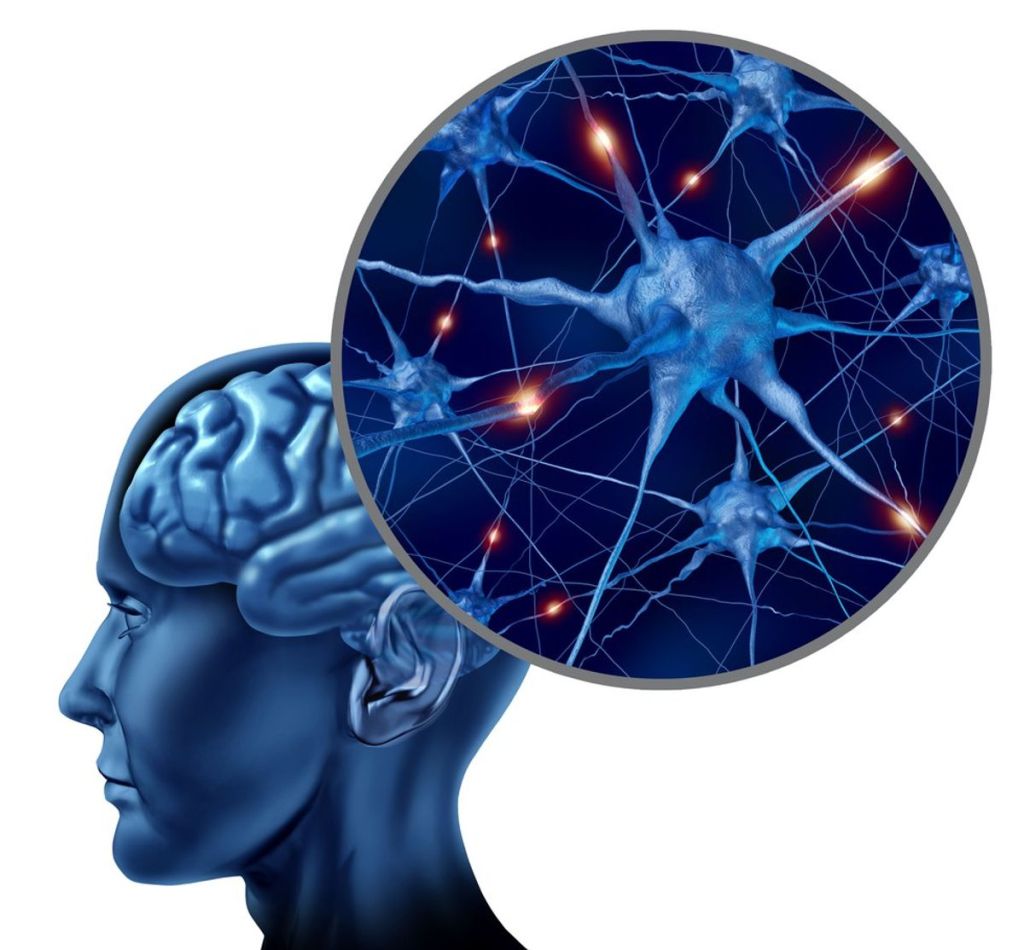
Neuroplasticity is the brain’s remarkable ability to reorganize itself by forming new neural connections throughout life. This phenomenon allows for learning and adapting to new experiences, making it a crucial concept in education. By understanding neuroplasticity, educators can tailor their teaching methods to optimize students’ potential for growth and development.
Growth mindset, a belief that intelligence and abilities can be developed through dedication and hard work, complements neuroplasticity. Encouraging a growth mindset in students fosters resilience, persistence, and a willingness to take on challenges. This mindset empowers learners to embrace mistakes as opportunities for growth rather than failures.
Memory retention techniques play a vital role in enhancing learning outcomes. Strategies such as spaced repetition, mnemonic devices, and retrieval practice help solidify information in long-term memory. By incorporating these techniques into lesson plans, educators can support students in retaining and recalling information more effectively.
Brain breaks are short mental rest periods interspersed between learning tasks. These breaks help rejuvenate cognitive resources, improve focus, and enhance overall productivity. Integrating brain breaks into the school day promotes student engagement and reduces mental fatigue.
Mindfulness practices in education involve cultivating present-moment awareness without judgment. Research shows that mindfulness enhances attention regulation, emotional control, and self-awareness—all of which are essential for academic success. Teaching mindfulness equips students with valuable tools for managing stress and improving overall well-being.
Dopamine plays a key role in motivation and reward processing within the brain. Understanding how dopamine influences behavior can inform teaching practices that promote intrinsic motivation among students. By creating meaningful learning experiences that trigger dopamine release, educators can inspire enthusiasm for learning.
Learning styles reflect individuals’ preferred methods of acquiring information—visual, auditory, kinesthetic or reading/writing-oriented (VARK). Adapting instructional strategies to accommodate diverse learning styles enhances student comprehension and engagement. Recognizing these differences helps create inclusive learning environments where all students can thrive.
The impact of stress on learning is significant; chronic stress hinders cognitive functions like memory consolidation and decision-making processes while impairing attention span. Implementing stress-reduction techniques such as relaxation exercises or mindfulness practices supports optimal learning conditions for students.
Sleep is crucial for cognitive function as it facilitates memory consolidation and information processing during various sleep stages. Ensuring adequate sleep hygiene promotes alertness, concentration levels while enhancing overall academic performance among learners.
 Alternative Amie
Leave a comment