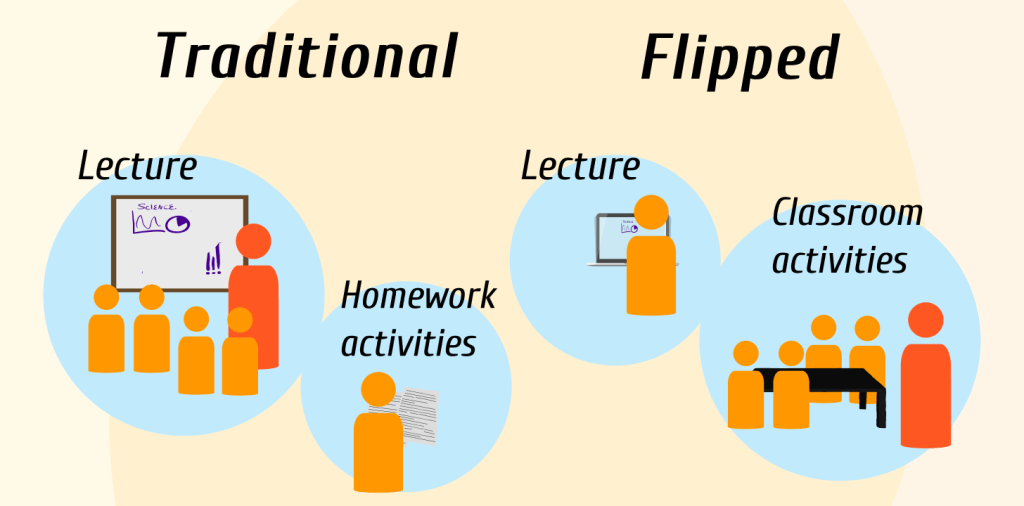
The flipped classroom model has gained popularity in recent years, offering a unique approach to traditional teaching methods. In this model, students are introduced to new concepts through online resources or videos outside of class time, allowing them to engage with the material at their own pace. Classroom time is then used for hands-on activities and discussions, providing a more interactive and personalized learning experience.
Gamification in online learning has revolutionized how students engage with educational content by incorporating game elements like points, badges, and leaderboards into the learning process. This not only makes learning more fun and engaging but also motivates students to achieve goals and track their progress in a dynamic way.
Personalized learning paths cater to individual student needs by allowing them to learn at their own pace and focus on areas where they need additional support. This customized approach helps students stay engaged and motivated as they work towards mastering specific skills or concepts.
Virtual field trips offer students the opportunity to explore different locations around the world without leaving the classroom. Through virtual reality technology or interactive websites, students can visit museums, historical sites, or natural wonders, enhancing their understanding of various subjects in a immersive way.
Project-based learning encourages students to apply their knowledge and skills to real-world projects that are relevant and meaningful. By working on collaborative projects that require critical thinking and problem-solving abilities, students develop valuable skills that prepare them for future success.
Competency-based education focuses on mastery of specific skills rather than completing coursework within a set timeframe. Students progress based on demonstrating proficiency in each skill area, ensuring they have a deep understanding before moving forward.
Online tutoring services provide personalized academic support for students who may need additional help outside of regular classroom hours. With access to qualified tutors from anywhere with an internet connection, students can receive one-on-one assistance tailored to their individual needs.
Adaptive learning technology uses algorithms to adjust the difficulty level of content based on student performance data. This personalized approach ensures that each student receives targeted instruction that meets their unique learning needs.
Peer-to-peer collaboration fosters teamwork among students as they work together on projects or assignments online. Through discussion forums, group projects, or peer editing activities, students can learn from one another while developing important communication and collaboration skills.
Mobile learning apps offer convenient access to educational resources anytime, anywhere through smartphones or tablets. These apps provide interactive lessons, quizzes, flashcards, and other tools that make studying more engaging and accessible for learners on-the-go.
Microlearning modules break down complex topics into small bite-sized chunks of information that are easier for learners to digest quickly. By delivering content in short bursts through videos or interactive modules, microlearning helps improve retention rates and allows for flexible study schedules.
Online assessment tools enable educators to efficiently evaluate student progress through quizzes, tests,and other assessments delivered digitally.Students receive immediate feedback upon completion,guiding them towards areas needing improvement while allowing teachers insight into instructional strategies moving forward
Social emotional learning (SEL) online emphasizes the development of social awareness,self-management,responsible decision-making,and relationship-building.SEL programs use digital platforms such as video lessons,journals,and mindfulness exercises,to help learners cultivate emotional intelligence alongside academic skills
Differentiated instruction strategies recognize diverse student backgrounds,social contexts,and prior knowledge levels when designing lesson plans.Teachers tailor instruction based on individual learner needs,making adjustments related totiming,content delivery,and assessment methods
Blended Learning approaches combine traditional face-to-face instruction with online coursework.This hybrid model offers flexibility,enablingstudents toparticipatein bothsynchronousandasynchronousactivitieswhile incorporatingdigital toolsandresourcesintothelearningexperience
Open Educational Resources (OER) provide free access tousage rights foreducational materials,such astextbooks,videos,andcurriculumcontent.OER promotesequityandinclusionbyremovingcostbarriersandallowing educators touseandadaptresourcesto meetdiverselearnerneedsandreinforcekeyconcepts
Virtual Reality (VR) in education offers immersive experiencesforstudents,takingthemontours,presentations,demonstrations,inrealistic3Denvironments.VR technologyenhancesengagementandunderstandingofcomplexsubjectsby providinginteractiveandsensory-richexperiencesnotpossiblewithtraditionalmethods
Online coding courses cater todigital-nativelearnersseekingtodevelopcomputerscienceandskills.Thesecoursesofferstep-by-stepinstructionsinprogramminglanguageslikePython,C++,orJavaScript,givinglearnerspracticalskillsapplicableto careersintechnologyandsoftwaredevelopmentfields
Language Learning platforms provide interactivelessonsandexercisesforacquiringnewlanguages.Userscanpracticevocabularypronunciation,writing,andconversationsthroughonlinecoursesdesignedtomeetindividualproficiencygoals.Languageplatformsofferbeginnertoadvancedlevelcoursesthatfostercross-culturalcommunicationopportunities
STEM Education Online integratesScienceTechnologyEngineeringMathematics(STEM)conceptsintodigitallessonplansandactivities.STEMeducationencouragescriticalthinkingskilldevelopmentthroughprojects,labs,challenges,researchthatpromoteinnovation,collaboration,applicationof theoreticalknowledgetoreal-worldproblems
 Alternative Amie
Leave a comment