Project-based learning (PBL) is an innovative approach to education that has gained popularity in recent years for its ability to engage students in real-world, hands-on experiences. This method of teaching emphasizes student-driven projects that encourage critical thinking, collaboration, and problem-solving skills. In this case study, we will explore the benefits of project-based learning through the experience of a group of high school students at an alternative school.
The Alternative School for Creative Learning (ASCL) is a small independent high school that focuses on providing a personalized and holistic education for its students. The school believes in the power of project-based learning to inspire creativity, curiosity, and lifelong learning. One particular project that stands out at ASCL is the Sustainable Living Project undertaken by a group of 11th-grade students.
The Sustainable Living Project was designed to challenge students to think critically about environmental issues and explore sustainable solutions for their community. The project began with a brainstorming session where students discussed various topics related to sustainability and identified areas where they could make a difference. After much deliberation, the group decided to focus on creating a sustainable garden on campus.
The first phase of the project involved researching different gardening techniques, composting methods, and plant species that would thrive in their local climate. Students divided into smaller teams based on their interests – some focused on designing the layout of the garden, while others researched eco-friendly fertilizer options or irrigation systems.
As part of their research process, students reached out to local experts in agriculture and sustainability for guidance. They visited organic farms in the area and attended workshops on permaculture design principles. These experiences not only enriched their understanding but also allowed them to connect with professionals who shared their passion for sustainability.
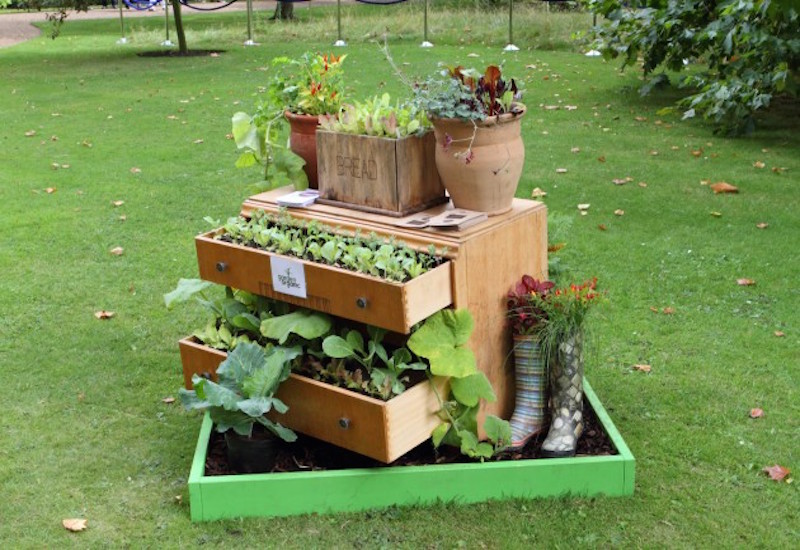
Once they had gathered enough information, it was time for implementation. Students rolled up their sleeves and got their hands dirty as they transformed an unused plot of land on campus into a vibrant vegetable garden. They built raised beds using reclaimed wood pallets donated by a local business and installed rain barrels to collect water for irrigation.
Throughout the process, students faced challenges such as pest infestations or soil nutrient deficiencies – all valuable learning opportunities that required them to troubleshoot creatively as a team. They learned how to apply scientific knowledge practically by testing different solutions until they found what worked best for their garden.
Beyond just growing vegetables, the Sustainable Living Project had far-reaching impacts on both individual students and the school community as a whole. Students developed leadership skills as they took charge of different aspects of the project – from budgeting expenses to coordinating volunteer workdays. They learned how to communicate effectively with each other and external stakeholders such as teachers or local farmers who supported their initiative.
Moreover, the project fostered a sense of ownership among students towards their school environment. As they watched seeds sprout into plants under their care or tasted freshly harvested tomatoes from the garden salad bar at lunchtime, they felt proud knowing that they had made a tangible contribution towards making ASCL more sustainable.
The success of the Sustainable Living Project extended beyond its immediate outcomes; it sparked curiosity among other students who were inspired by what their peers had accomplished. Some younger students expressed interest in starting similar initiatives like recycling programs or energy-saving campaigns within the school community after seeing firsthand how impactful student-led projects could be.
In conclusion, project-based learning offers numerous advantages over traditional classroom instruction by providing experiential opportunities for deeper engagement with academic content while developing essential 21st-century skills such as critical thinking,
collaboration,
and problem-solving.
Through meaningful projects like the Sustainable Living Project at ASCL,
students not only learn subject matter content but also gain practical experience applying knowledge in real-world contexts.
This case study demonstrates how PBL can empower students
to take control
of
their own learning
and become active agents
of change within
their communities.
Alternative schools like ASCL play
a vital role
in nurturing creativity,
innovation,
and social responsibility through initiatives grounded
in
project-based pedagogy.
As educators continue
to embrace new approaches
to teaching
and learning,
it is clear that PBL offers
a promising pathway towards preparing learners
for success
in an ever-changing world where adaptability,
resourcefulness,
and collaboration are key attributes needed
for future success.
By prioritizing student agency,
hands-on experiences,
and authentic connections between curriculum content
and real-life applications,
we can cultivate generations
of engaged citizens equipped with both knowledge
andskills necessary
to address complex challenges facing our society today.
 Alternative Amie
Leave a comment