Gamification in Education: A Critique
Education is constantly evolving, and with the advancement of technology, new methods of learning are being introduced to engage students in a more interactive way. One such method that has gained popularity in recent years is gamification in education. Gamification involves integrating elements of game design into non-game contexts, such as education, to make learning more engaging and enjoyable. While this approach has its benefits, it also raises some concerns and challenges that need to be addressed.
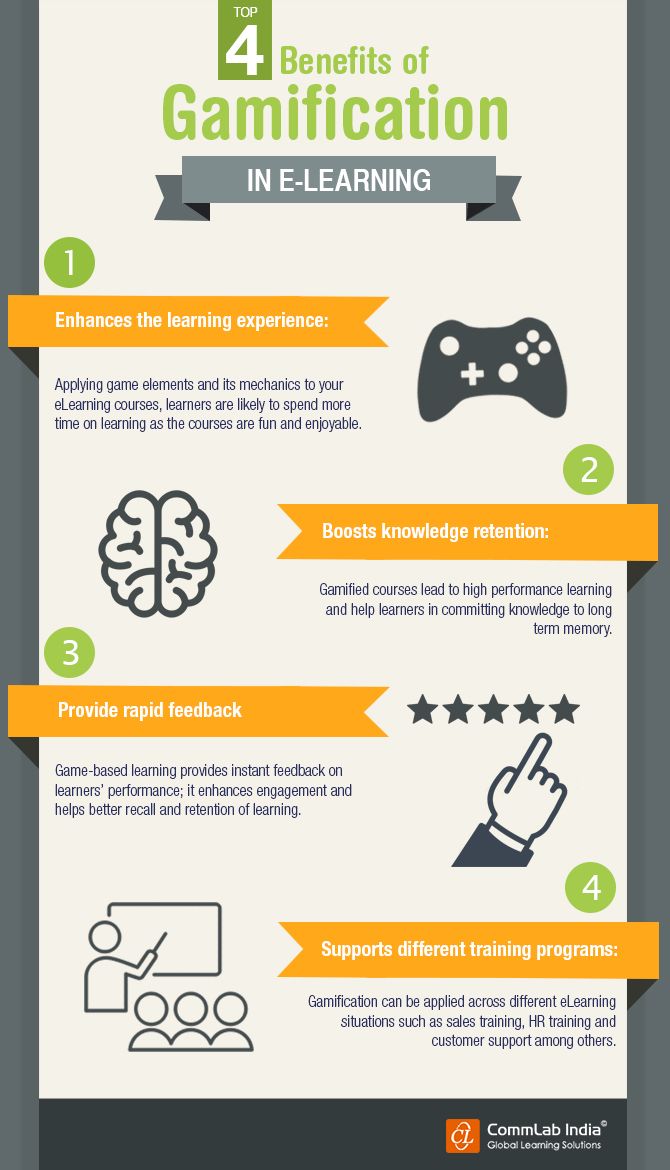
On the surface, gamification seems like a promising tool for educators to enhance student motivation and engagement. By incorporating game elements like points, badges, leaderboards, and levels into educational activities, teachers can create a more immersive learning experience that appeals to students’ natural inclination towards competition and achievement. This can lead to increased participation, collaboration, and retention of information among students.
One of the key advantages of gamification in education is its ability to make learning fun and interactive. Games have long been used as a form of entertainment that captivates players’ attention and keeps them engaged for extended periods. By leveraging the principles of game design in educational settings, teachers can create an environment that encourages active participation and fosters a love for learning.
Furthermore, gamification can help address different learning styles among students by providing personalized feedback and adaptive challenges based on individual progress. Students who excel at traditional academic tasks may find motivation through achieving high scores or unlocking new levels in a gamified system. On the other hand, those who struggle with conventional teaching methods may benefit from alternative pathways to mastery offered by games.
Additionally, gamification can promote collaboration among students by fostering a sense of community within the classroom or online learning environment. By working together towards common goals or competing against each other in friendly competitions, students can develop important social skills such as teamwork, communication, and problem-solving while reinforcing their understanding of course material.
Despite these advantages, there are several criticisms surrounding the implementation of gamification in education that warrant consideration. One major concern is the potential for superficial engagement where students focus more on earning rewards or advancing through levels rather than gaining deep understanding or critical thinking skills. This “gamified” approach may prioritize extrinsic motivations over intrinsic curiosity and passion for learning.
Moreover, there is a risk of creating an artificial sense of competitiveness that could lead to negative outcomes such as stress, anxiety, or disengagement among students who feel pressured to perform well within the game framework. The emphasis on external rewards like points or badges may overshadow the inherent value of knowledge acquisition itself if not balanced appropriately with meaningful assessment criteria.
Another criticism revolves around issues of equity and inclusivity in gamified environments where certain groups of students may be marginalized due to differing access to technology or cultural backgrounds that influence their comfort level with gaming concepts. Educators must ensure that all learners have equal opportunities to participate fully in gamified activities without feeling excluded or disadvantaged based on factors beyond their control.
Furthermore, there are concerns about the sustainability of student motivation within a gamified system over time. While games can initially spark interest and excitement among learners through novelty and unpredictability factors inherent in gameplay mechanics., there is evidence suggesting that prolonged exposure to extrinsic rewards alone may diminish intrinsic motivation once novelty wears off., leading to decreased engagement levels unless additional strategies are employed.
 Alternative Amie
Leave a comment