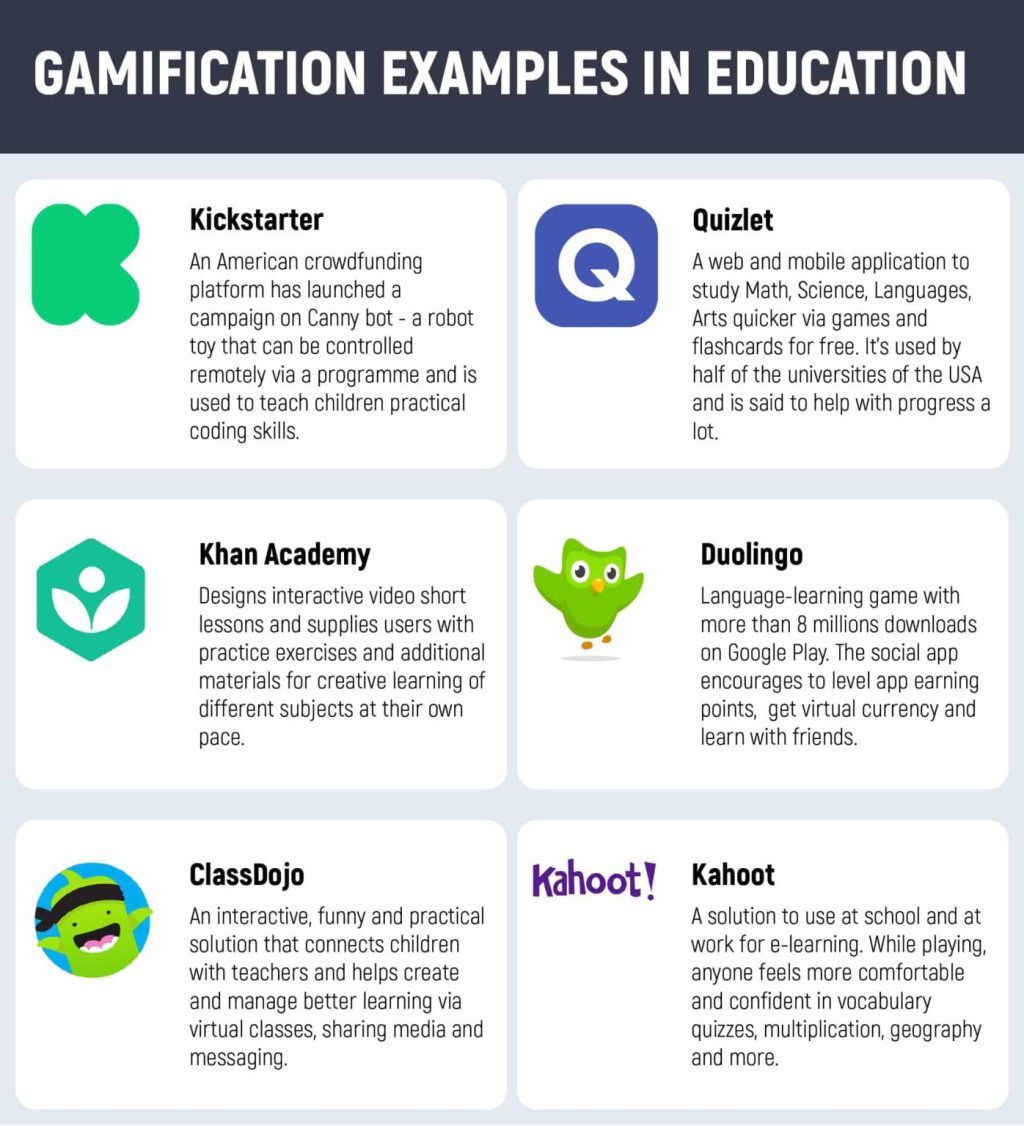
Gamification in online learning has revolutionized the way students engage with educational content. By incorporating elements of game playing into the learning process, educators can increase student motivation, engagement, and retention of information. Gamification techniques such as point systems, leaderboards, badges, and rewards help create a fun and interactive learning environment that encourages students to actively participate in their own education.
Virtual reality (VR) in education is another innovative tool that has gained popularity in recent years. VR technology allows students to immerse themselves in virtual worlds where they can explore concepts and ideas in a hands-on way. From virtual field trips to interactive simulations, VR provides a unique opportunity for experiential learning that goes beyond traditional classroom methods.
Personalized learning paths are essential for catering to the individual needs and interests of each student. By utilizing technology such as adaptive learning platforms and AI algorithms, educators can tailor instruction to meet the specific strengths and weaknesses of each learner. Personalized learning paths empower students to take ownership of their education journey and progress at their own pace.
Peer-to-peer tutoring online is a valuable resource for students seeking additional support outside of the traditional classroom setting. Through online platforms and video conferencing tools, students can connect with peers who can provide guidance, explanations, and assistance with coursework. Peer tutoring not only enhances academic performance but also fosters collaboration and communication skills among students.
Online learning for students with disabilities offers inclusive opportunities for individuals who may face challenges in traditional educational settings. With accommodations such as closed captioning, screen readers, adjustable fonts, and alternative assessment methods, online courses can be designed to meet the diverse needs of learners with disabilities.
Social emotional learning (SEL) plays a crucial role in virtual classrooms by promoting self-awareness, social awareness, relationship skills, responsible decision-making, and self-management among students. Educators integrate SEL practices into online instruction to cultivate emotional intelligence and create a supportive community where all learners feel valued and respected.
Online language immersion programs enable students to develop proficiency in a new language through immersive experiences that simulate real-world interactions. Through multimedia resources like videos, games, chat rooms, and virtual cultural exchanges, learners have the opportunity to practice listening comprehension,
speaking skills,
Project-based learning online encourages active exploration,
critical thinking,
and problem-solving through hands-on projects that require
students
to collaborate,
innovate,
and apply knowledge
to real-world scenarios.
By working on authentic tasks
Online mindfulness
and well-being practices help promote mental health
and
emotional well-being among students.
Through guided meditation sessions,
stress-relief exercises,
Culturally responsive teaching ensures that instructional strategies
reflect diverse cultural backgrounds
Online internships
and work-based learning opportunities provide practical experience
Digital literacy skills development is crucial for preparing
Incorporating outdoor
and hands-on experiences into online curriculum helps
Building community
and connection
in virtual classrooms is essential
Overall,
alternative schooling approaches offer innovative ways
to enhance
the educational experience
for diverse learners
in today’s digital age.
By leveraging technology,
personalizing instruction,
fostering social-emotional growth,
and promoting inclusivity,
Parents play a vital role
in supporting their children’s success
in an online educational environment.
By providing encouragement,
establishing routines,
Microlearning techniques involve delivering short bursts
Using social media for educational purposes connects
In conclusion,
The integration of these alternative schooling practices fosters creativity,
As education continues
In summary,
These innovative approaches
Ultimately,
By embracing alternative schooling methods,
 Alternative Amie
Leave a comment