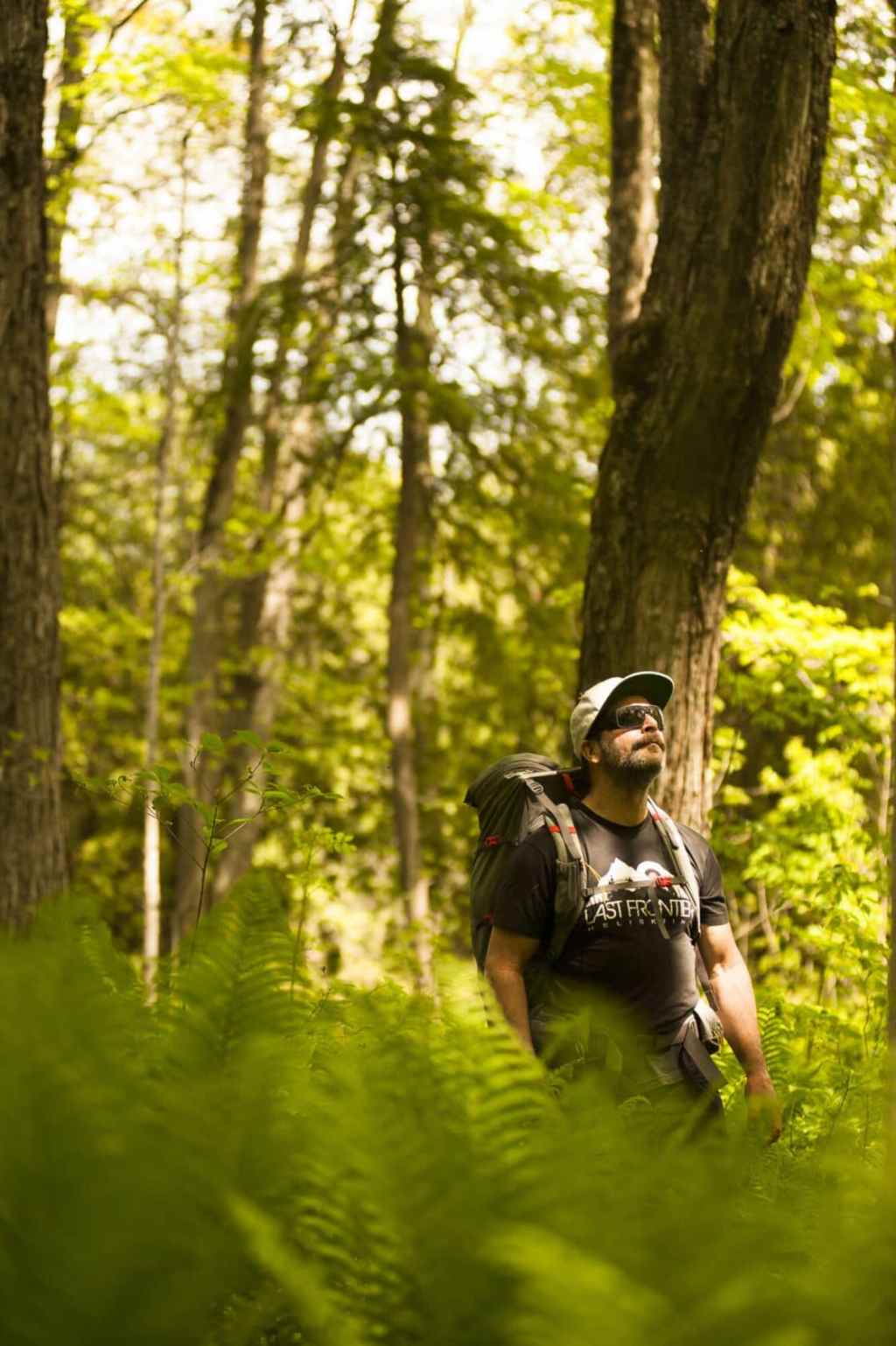
Forest schools have gained popularity in recent years as an alternative educational approach that focuses on outdoor learning and nature immersion. This innovative curriculum development provides a unique opportunity for children to explore the natural environment, develop essential skills, and foster a deep connection with the world around them.
One aspect of forest school programs that has garnered attention is their implementation for children with special needs. These inclusive settings offer a therapeutic and sensory-rich environment where all children can thrive. By engaging in hands-on activities such as building shelters, exploring wildlife habitats, and participating in group games, children with special needs can enhance their physical abilities, social skills, and overall well-being.
Incorporating technology into forest school activities may seem contradictory at first glance. However, when used mindfully, technology can complement outdoor learning experiences by providing tools for observation, data collection, and creative expression. For example, students can use digital cameras to document plant growth or create multimedia presentations about local ecosystems. By striking a balance between nature immersion and technological integration, forest schools can offer a well-rounded educational experience.
Safety protocols and risk management are paramount in forest school settings to ensure the well-being of participants. Teachers undergo specialized training to assess potential hazards, establish clear boundaries, and teach students how to navigate risks responsibly. By empowering children to make informed decisions in outdoor environments, forest schools cultivate resilience, self-confidence, and problem-solving skills.
While forest schools traditionally take place in rural areas surrounded by nature’s abundance, there is a growing trend of establishing programs in urban environments. Urban forest schools provide city-dwelling children with access to green spaces where they can engage in meaningful outdoor experiences despite limited natural resources. By repurposing parks or vacant lots as learning hubs, urban forest schools bridge the gap between urban living and environmental education.
Parents play a crucial role in supporting their child’s participation in forest school programs. From packing appropriate gear for outdoor adventures to reinforcing lessons learned in nature at home, parental involvement strengthens the connection between classroom learning and real-world application. Forest schools often organize family events or workshops to involve parents directly in their child’s educational journey outdoors.
Securing funding for forest school initiatives remains a challenge for many organizations seeking long-term sustainability. Grants from government agencies or private foundations can help cover operational costs such as teacher salaries or equipment purchases. Additionally, community partnerships with local businesses or environmental organizations provide valuable resources and networking opportunities that support ongoing program development.
Evaluation methods are essential for assessing the effectiveness of forest school programs and identifying areas for improvement. Qualitative measures such as student observations or reflective journals capture the holistic impact of outdoor learning on academic performance and personal growth. Quantitative data analysis may include standardized test scores or surveys measuring participant satisfaction levels over time.
Integrating indigenous perspectives into forest school curricula honors traditional knowledge systems passed down through generations while promoting cultural diversity within educational settings…
 Alternative Amie
Leave a comment