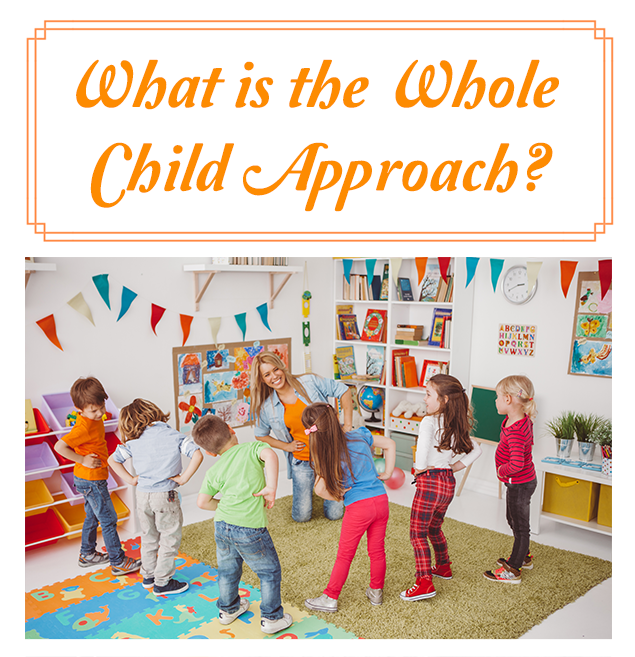
Holistic assessment in education is a comprehensive approach to evaluating students’ progress and understanding that goes beyond traditional testing methods. It takes into account various aspects of a student’s development, including their academic achievements, social skills, emotional well-being, and physical health.
Unlike standardized tests which focus solely on academic performance, holistic assessment considers the whole child and aims to provide a more complete picture of their strengths, challenges, and overall growth. This approach values diversity and individuality, recognizing that each student is unique and may excel in different areas.
Holistic assessment methods can include observations, portfolios, self-assessments, peer assessments, projects, presentations, interviews, and more. By using a variety of tools and techniques to assess students holistically, educators can gain deeper insights into their learning styles, preferences, interests, and needs.
Overall, holistic assessment promotes a more inclusive and personalized approach to education that supports students in reaching their full potential while nurturing their overall well-being.
 Alternative Amie
Leave a comment