Practical life activities are an essential component of alternative schooling and education. These activities focus on teaching children important life skills that they can carry with them throughout their lives. Practical life activities not only help children become more independent and self-sufficient but also foster a sense of responsibility, concentration, and coordination.
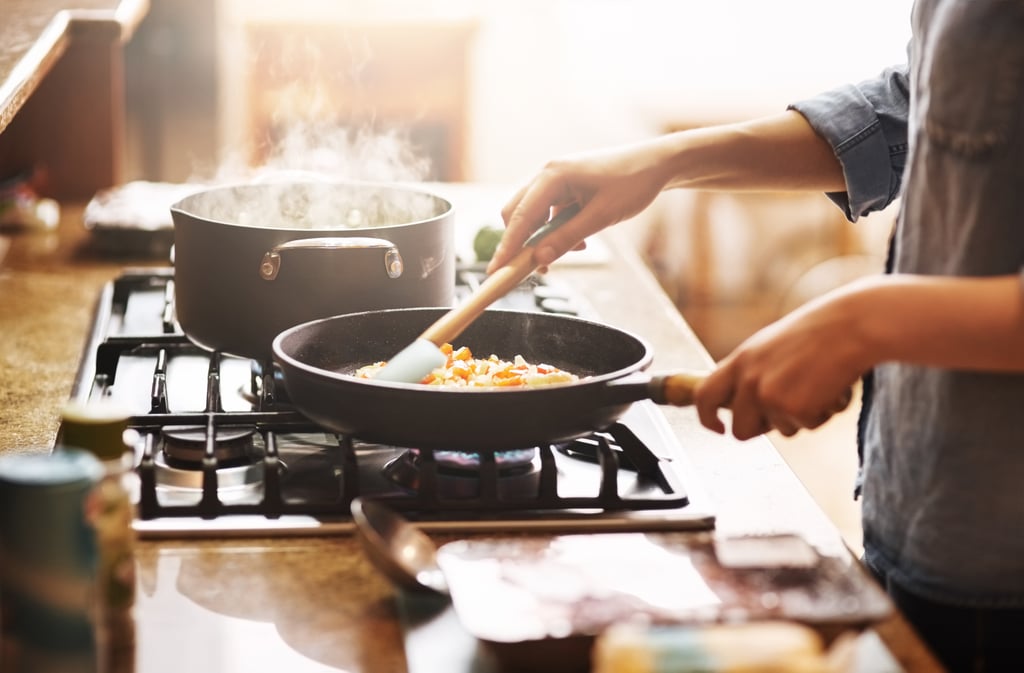
One popular practical life activity is cooking. Teaching children how to cook not only helps them learn about nutrition and healthy eating habits but also instills in them a sense of accomplishment and pride when they create something delicious from scratch. Cooking also helps improve fine motor skills as children learn to chop, mix, measure ingredients, and follow recipes.
Another practical life activity is gardening. Gardening teaches children about the natural world, where food comes from, and the importance of caring for the environment. It also provides hands-on experience in responsibility as children learn to water plants regularly, pull weeds, and harvest fruits and vegetables when they are ready.
Household chores are another set of practical life activities that can be incorporated into alternative education settings. Teaching children how to do laundry, clean dishes, make their bed, or organize their belongings not only helps lighten the load for parents but also empowers children to take care of themselves and their living space.
Other practical life activities include sewing (which improves hand-eye coordination), woodworking (which enhances problem-solving skills), budgeting (which teaches financial literacy), and basic first aid training (which equips children with valuable lifesaving skills).
Incorporating practical life activities into alternative schooling programs ensures that students receive a well-rounded education that prepares them for success in all aspects of their lives. By teaching these essential life skills early on, we empower our youth to become responsible, independent individuals who are equipped to face the challenges of adulthood with confidence and competence.
 Alternative Amie
Leave a comment