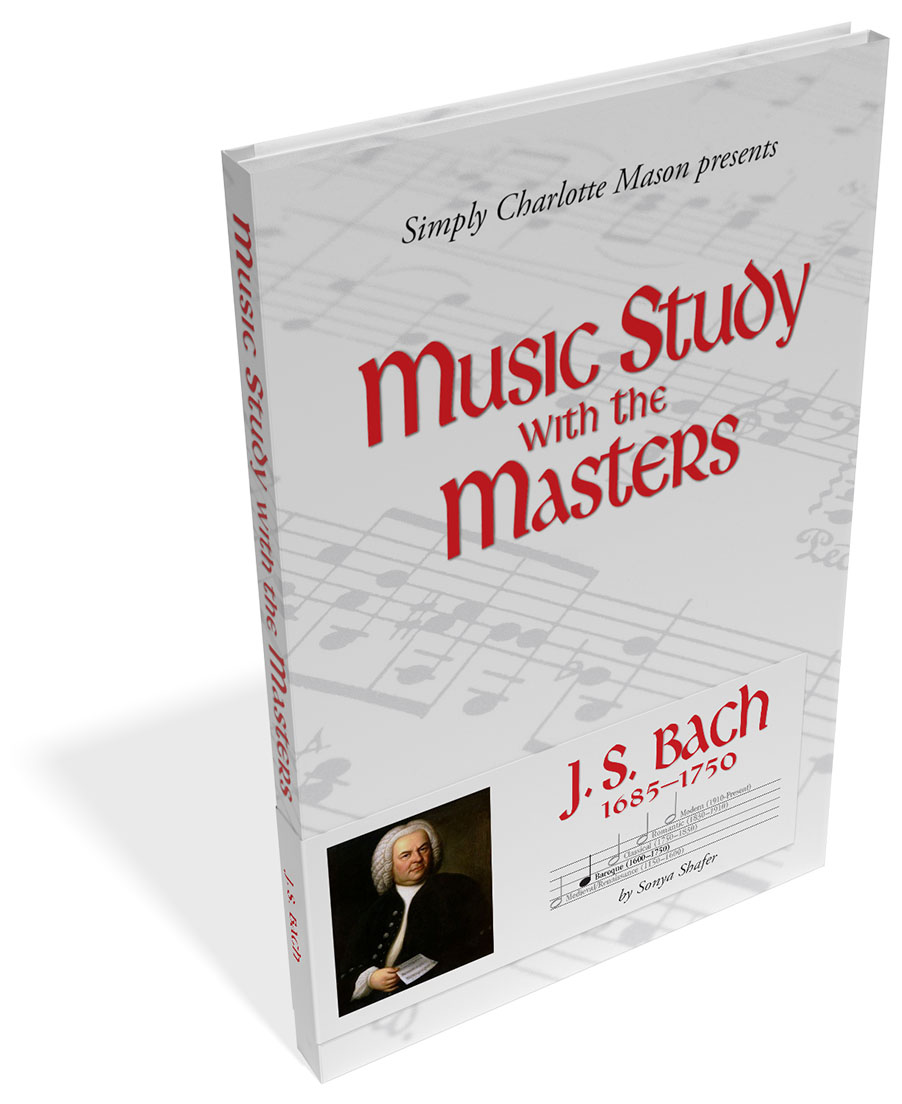
Composer study is a valuable and enriching component of alternative education that offers students the opportunity to explore music history, theory, and creativity in a hands-on way. By delving into the lives and works of different composers from various time periods and genres, students can develop a deeper appreciation for music while honing their critical thinking, analytical skills, and creativity.
Here are some reasons why incorporating composer study into your educational curriculum can benefit students:
1. **Cultural Appreciation**: Composer study allows students to explore music from different cultures and time periods. By learning about composers from around the world – such as Ludwig van Beethoven from Germany, Frédéric Chopin from Poland, or Johann Sebastian Bach from Germany – students gain insight into the historical context in which these composers lived and created their music. This exposure helps foster cultural appreciation and understanding among students.
2. **Historical Context**: Studying composers provides an opportunity for students to learn about historical events, social movements, and artistic trends that influenced musical compositions. For example, studying Mozart’s life during the Classical era or exploring Tchaikovsky’s works in relation to Romanticism can offer insights into how music reflects the society in which it was created.
3. **Music Theory**: Composer study also serves as a practical application of music theory concepts taught in traditional classroom settings. Analyzing compositions by different composers helps reinforce knowledge of musical elements such as harmony, melody, rhythm, form, dynamics, and instrumentation.
4. **Critical Listening Skills**: Engaging with diverse repertoire through composer study hones students’ ability to critically listen to music with an attentive ear. By identifying stylistic characteristics unique to each composer – whether it be Beethoven’s dramatic use of dynamics or Debussy’s impressionistic harmonies – students develop a deeper understanding of musical nuances.
5. **Creativity & Composition**: Composer study can inspire student creativity by encouraging them to compose their own pieces using techniques learned from studying various composers’ works. Students may experiment with different styles or emulate compositional approaches they admire as part of their own creative process.
6. **Interdisciplinary Connections**: Integrating composer study across subjects like history, literature, art, or even science opens up opportunities for interdisciplinary connections within the curriculum. For instance, exploring how visual arts influenced Stravinsky’s ballets or examining Shakespearean influences on Verdi’s operas broadens students’ understanding beyond just music.
7. **Personal Growth & Self-Expression**: Studying composers offers a platform for self-expression through musical interpretation and performance activities such as playing instruments or singing songs composed by renowned artists like Handel or Schubert.
8 .**Career Exploration:** Aspiring musicians may find inspiration through studying famous composers who have made significant contributions to classical music history.
9 .**Auditory Memory:** Regularly listening to compositions by various composers improves auditory memory skill which has been linked with better academic performance especially in subjects involving language acquisition.
10 .**Emotional Intelligence:** Music has been proven to evoke emotions; analyzing varied emotional expressions portrayed in different compositions enhances emotional intelligence development among learners.
In conclusion,
composer study is both educational
and enriching aspect
of alternative schooling
that not only cultivates
a deep appreciation
for classical
music but also nurtures
critical thinking skills,
creativity,
and cultural awareness
amongst learners.
By immersing oneself
in the lives
and works
of diverse composers,
students embark on
a journey
through time
and space,
exploring
the beauty
and complexity
of human expression through sound.
Whether pursuing formal education
or simply seeking personal enrichment,
composer study truly has something valuable
to offer everyone willing to lend an ear.”
 Alternative Amie
Leave a comment