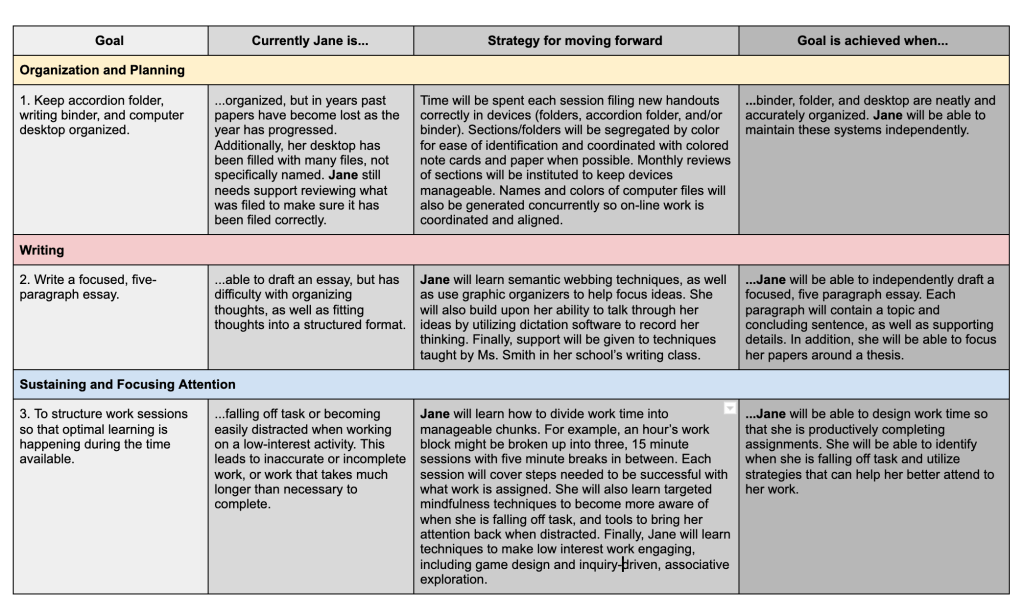
In the ever-evolving landscape of education, traditional forms of assessment are being challenged by more innovative and personalized approaches. One such approach that has gained traction in recent years is the use of narrative assessments. Narrative assessments offer a unique and holistic way to evaluate student learning, focusing not just on academic progress but also on personal growth, social-emotional development, creativity, and community engagement.
Personalized learning plans have become increasingly popular as educators recognize the importance of catering to individual student needs and interests. By creating personalized learning plans for each student, teachers can tailor their instruction to better meet students where they are at academically and emotionally. This allows for a more meaningful educational experience that empowers students to take ownership of their own learning journey.
Project-based assessments provide students with real-world challenges that require critical thinking, problem-solving skills, collaboration, and creativity. By engaging in hands-on projects, students can demonstrate their understanding of key concepts while developing valuable skills that will serve them well beyond the classroom.
Experiential learning narratives take this concept one step further by immersing students in authentic experiences that connect their learning to the world around them. Whether through internships, service-learning projects, or field trips, experiential learning narratives allow students to apply their knowledge in practical settings while gaining a deeper appreciation for different perspectives and cultures.
Student self-assessment techniques encourage reflection and metacognition as students evaluate their own strengths and weaknesses. By engaging in self-assessment activities such as goal-setting exercises or reflective journaling, students develop a greater sense of agency over their own learning process.
Narrative feedback loops provide ongoing communication between teachers and students that goes beyond simple grades or scores. Through detailed feedback delivered in narrative form, teachers can offer constructive criticism, praise achievements, and guide students towards continuous improvement.
Assessing social-emotional growth through storytelling recognizes the importance of emotional intelligence in overall student development. By incorporating storytelling into assessments, educators can gain insights into how well students navigate interpersonal relationships, manage stressors effectively, and demonstrate empathy towards others.
Using student portfolios for assessment narratives allows for a comprehensive overview of each student’s progress over time. Portfolios showcase not only academic achievements but also personal growth milestones, creative endeavors, community service projects – providing a rich tapestry of evidence to support holistic assessment practices.
Peer assessment narratives empower students to take an active role in evaluating their classmates’ work constructively. By engaging in peer review processes guided by clear criteria and guidelines set by teachers,
Narrative assessments for non-traditional learners offer alternative ways to evaluate student performance beyond standardized tests or exams. For learners who may struggle with traditional forms of assessment due to various factors such as disabilities,
Reflective assessment practices encourage deep introspection as students consider how they have grown academically,
Integrating technology into narrative assessments opens up new possibilities for interactive,
Culturally responsive assessment narratives acknowledge the diverse backgrounds
Assessing creativity
Narrative assessments for gifted
Storytelling as a form
Narrative assessments
Authentic assessment narratives provide meaningful insight into
Using art
Assessment narratives
Incorporating nature-based learning into assessment narratives fosters connections between
By embracing these innovative approaches,
Through narrative assessments,
As we continue
With narrative assessments becoming increasingly prevalent
Education is no longer confined
In conclusion,
Overall,
The future
It is essential
 Alternative Amie
Leave a comment