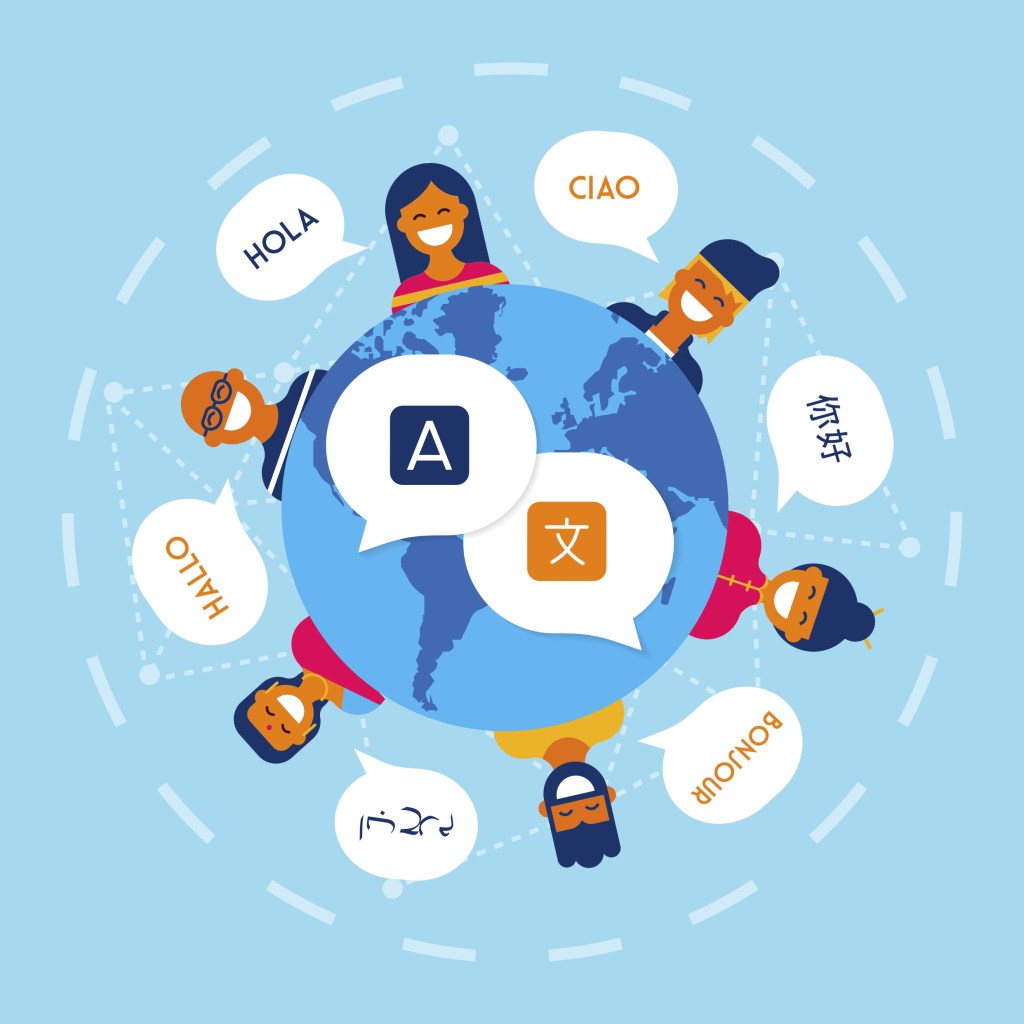
Bilingual education has long been recognized as a crucial tool for maintaining heritage languages, promoting cognitive development, and fostering social justice. In recent years, the field of bilingual education has evolved to address the diverse needs of bilingual students in various settings, including those with learning disabilities, refugees, and indigenous communities.
Heritage language maintenance is a key aspect of bilingual education that focuses on preserving and passing down languages spoken by immigrant or minority communities. Many children in these communities grow up speaking a language other than the dominant language of their country. Without proper support, they may experience language attrition – the gradual loss of proficiency in their heritage language over time.
Language attrition can be especially challenging for bilingual students with learning disabilities. These students may struggle to maintain proficiency in both languages due to factors such as cognitive processing difficulties or attention deficits. Bilingual education programs tailored to meet their unique needs are essential for ensuring academic success and linguistic development.
In addressing the needs of bilingual students with learning disabilities, educators must consider the role of technology in enhancing instruction and providing additional support. Assistive technology tools can help facilitate language learning and communication skills while accommodating diverse learning styles and abilities.
Moreover, bilingual education plays a critical role in promoting social justice by providing equitable access to educational opportunities for all students, regardless of their linguistic background. By embracing multicultural perspectives and supporting community partnerships, schools can create inclusive environments that celebrate diversity and foster empathy among students from different cultural backgrounds.
In rural communities where resources may be limited, implementing effective bilingual education programs can present unique challenges. However, community partnerships with local organizations and stakeholders can help bridge gaps in resources and provide much-needed support for bilingual learners.
Dual language immersion programs offer another innovative approach to bilingual education by integrating native English speakers with speakers of another target language. These programs not only promote biliteracy but also cultivate cross-cultural understanding among students from different linguistic backgrounds.
For refugee children who have experienced trauma and displacement, bilingual education serves as a vital tool for facilitating their integration into new societies while preserving their cultural identities. By offering comprehensive support services that address both academic and socio-emotional needs, schools can empower refugee children to succeed academically despite facing significant challenges.
Effective teacher training is essential for ensuring high-quality bilingual education programs that meet the diverse needs of students from varying linguistic backgrounds. Teachers must be equipped with culturally responsive teaching strategies that promote multilingualism while fostering an inclusive classroom environment where all voices are valued.
Code-switching – the practice of alternating between two or more languages within a conversation – is common in bilingual classrooms and reflects the dynamic nature of multilingual communication. Educators can leverage code-switching as a valuable resource for building bridges between languages while affirming students’ linguistic identities.
Translanguaging practices further highlight the fluidity of multilingualism by encouraging learners to draw upon their entire linguistic repertoire to enhance meaning-making across languages. This pedagogical approach promotes active engagement with multiple languages while breaking down traditional barriers between them.
The arts offer a creative outlet for exploring cultural identity through expression and storytelling in bilingual education settings. Integrating music, dance, visual arts, theater, and literature into curriculum enriches students’ educational experiences while honoring diverse cultural traditions within the classroom.
Parental involvement is crucial for supporting successful outcomes in bilingual programs as families play an integral role in reinforcing heritage languages at home. Schools should actively engage parents through workshops,
events,
and outreach efforts aimed at promoting collaboration between home
and school environments.
Furthermore,
parents should be encouraged
to share their own cultural knowledge
and experiences
with teachers
to enrich student learning opportunities.
Bilingualism has been shown to positively impact cognitive development by enhancing metalinguistic awareness,
executive functioning,
and problem-solving skills.
Children who are proficient in multiple languages demonstrate greater flexibility
in thinking
and improved memory recall compared
to monolingual peers.
By nurturing these cognitive benefits through well-designed instructional practices,
educators can empower students to excel academically across various subject areas.
However,
challenges persist when implementing policies related
to bilingual education due to factors such as funding constraints,
political resistance,
or lack
of qualified personnel.
Advocacy efforts aimed at raising awareness about the importance
of multilingualism
and advocating
for policy changes are essential steps toward creating more supportive environments
for emergent
bilingual learners
Multicultural perspectives play a pivotal role
in shaping instructional approaches
within
bilingual classrooms,
as they encourage educators
to recognize,
respect,
and integrate diverse cultural norms
and practices into teaching strategies.
Indigenous languages hold immense value within
bilingual education contexts,
as they represent centuries-old traditions,
histories,
and ways
of knowing passed down through generations.
Efforts aimed
at revitalizing indigenous languages involve collaborating closely
with tribal communities,
developing culturally relevant curricula,
incorporating traditional teachings,
and engaging elders as knowledge keepers.
Specialized services tailored specifically toward meeting
the unique needs
of linguistically diverse learners
are fundamental components
of effective
bilingual special educati…
(Word count: 750)
 Alternative Amie
Leave a comment