Mathematics is a fundamental subject that plays a crucial role in our daily lives. From basic arithmetic to advanced calculus, math concepts are used in various fields such as science, engineering, economics, and even art. However, many students struggle with math and find it challenging to grasp the concepts taught in traditional classroom settings.
Alternative schooling and education aim to provide innovative approaches to teaching and learning, including the use of different materials and resources to make math more engaging and accessible for students. In this article, we will explore some of the math materials that can be featured on alternative schooling websites to help students better understand mathematical concepts.
1. Manipulatives:
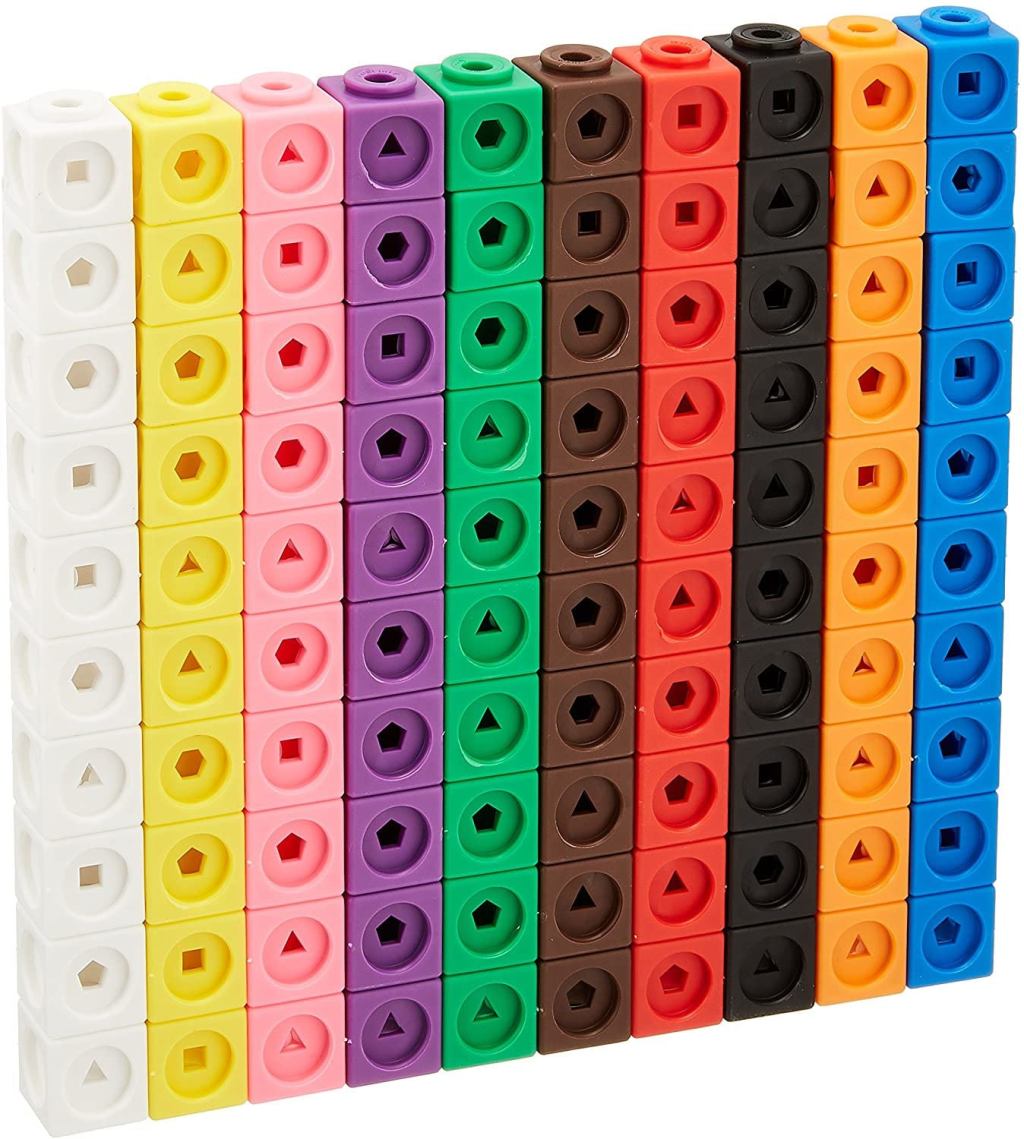
Manipulatives are physical objects that students can manipulate to visualize and understand abstract mathematical concepts. These hands-on tools help students build a concrete understanding of mathematical ideas before moving on to more abstract representations. Common manipulatives used in math education include counting blocks, base-ten blocks, geometric shapes, fraction bars, pattern blocks, algebra tiles, and tangrams.
For example, when learning about fractions, students can use fraction circles or bars to physically see how parts make up a whole. This visual representation helps them grasp the concept of fractions better than just using numbers on paper. Similarly, geometric shapes like cubes or prisms can be used to teach volume and surface area by allowing students to physically measure dimensions and calculate these quantities.
2. Math Games:
Incorporating games into math instruction can make learning fun and engaging for students while reinforcing important mathematical skills. Math games come in various forms – board games, card games, online games – and cover a wide range of topics from basic addition facts to complex algebraic equations.
Games like “Math Bingo,” “Fraction War,” “Math Jeopardy,” or “Sudoku” not only enhance computational skills but also promote critical thinking and problem-solving abilities. By presenting math problems in a game format with rewards or challenges for correct answers, students are motivated to practice their math skills regularly without feeling intimidated by traditional worksheets or tests.
3. Visual Aids:
Visual aids such as charts, graphs, diagrams, pictures,and videos are powerful tools for explaining abstract mathematical concepts in a more tangible way.Visual representations help visual learners understand math better by providing clear illustrations of relationships between numbers,different operations,and geometric properties.For instance,a pie chart can visually represent proportions or percentages,making it easier for students tounderstand how data is distributed within different categories.In geometry,a diagram showing angles,sides,and vertices of polygons helps clarify definitionsand propertiesmore effectively than written descriptions alone.By incorporating visuals into math lessons,studies have shown improved retention rates amongstudents comparedto traditional text-based instruction methods.
4.Digital Tools:With advancements intechnology,digital tools have become increasingly popularinmatheducation.These toolsincludeeducationalapps,simulations,virtual manipulative’s,videos,tutoring programs,and interactive whiteboards that offer unique waysfor studentsto learnand practice mathematics.Concepts suchas graphing functions,solving equationsor conducting statistical analysescanbe easily demonstratedusing digital platforms.Studentscan engage with interactive simulationsordeepen their understanding through virtual manipulative’suchas virtual geoboards,number linesor fraction strips.Online tutoring programsprovide personalized instructionand feedbackto supportstudents’individual learning needswhile educationalappsoffer opportunitiesfor independentpracticeandreinforcementof keymathskills.
5.Multisensory Approaches:Multisensoryapproachesincorporatevarioussenses–auditory,tactile,andvisual–toenhancelearning experiencesforstudents.Thesemethodsareparticularlybeneficialfortactilelearnerswholearnbestthroughhands-on activitiesandsupportstudentswithlearningdifferencesorspecialneeds.Multisensorymathmaterialscombinespoken instructions(withaudio recordings),manipulativesto touchandfeel,picturesortexttosightandsoundeffectstocreateaholisticlearningenvironment.Suchapproachescanhelpmakemathcontentmoreaccessibleforalllearnersbyprovidingmultiplepathwaysforexplorationandunderstandingofmathematicalconcepts.Multisensoryteachingstrategiesalsoencourageactive participation,increaseengagement,fosterretentionofinformation,andpromotelong-termmemoryrecall.
6.Real-world Applications:Connectingmathematicalconceptsto real-life scenariosmakeslearningmoremeaningfulandrelevanttostudents.By incorporatingreal-worldapplicationsinto mathematicaleducation,studen
tscanseethepracticalusesof mathematicsin everydaylifeandspecificoccupations.This approachnotonlymotivatesstudentsbuthelps themdevelopcriticalthinkingandsproblem-solvingskillsthatextendbeyondtheconfinesoftestsandexams.Forexample,inappliedprobabilitylessons,st udentscancalculateoddsin sportsbettingorassessriskinfina ncialinvestments.Teacherscanshowcasehowalgebraicequationsariseindailyactivitieslikeshoppingbudgetsorpaintmixinginthefinearts.Ingeometrylessons,reallifeexamplescouldincludearchitecturalblueprints,cartographyormechanicalengineeringdesigns.Tyingmathconceptstorealworldcontextsenhancesstudentengagement,fosterscreativityandinquirybasedlearn ing,andprepareslearnerstopracticalapplicationsoftheirknowledgeoutsidetheclassroomsetting.
7.CollaborativeProjects:Collaborativeprojectsencouragesocialinteractionamongpeerswhilefosteringcooperativelearningenvironments.Collaborativeprojectsinvolveworkingwithothersonmutuallyagreedupongoals,assignmentsorchallengesrelatedtomathconcepts.Participatinginstudent-ledprojectsrequiresthinkingcriticallyaboutproblemsolving,strategizing,effectivecommunication,negotiationandleadershipskills.Throughcollaboration,stude ntscanexchangeideas,poolresources,tacklecomplextasks,makereal-worldconnectionsandoftenexperienceincreasedmotivationandaccountabilitytowardsuccessfullycompletingtheproject.Asaresult,collaborativeprojectsintegrateinterdisciplinaryskillsandalignto21stcenturylearningoutcomes,suchascriticalthinking,coll aboration,citizenshipandaninnovati
ve mindset.While working togetheron amath-based project(statisticalanalysis,datacollection,modelbuildingoreconomicforecasting),studentsexperiencefirsthandthevalueofsolicitingfeedbackfrompeerssharingdivergentperspectivesworkingthroughconflictscontributingindividualstrengthsandleveragingcollectiveexpertiseforenhancedoutcomeachievement
Alternative schooling websites should feature these diverse types of materials which cater towards varying learning styles,to meet the unique needsandpreferencesof individual learners.Math educatorscanutilize amixofthese resourcesto create dynamic lesson plans,targetedinterventions,enrichmentopportunitiesorpersonalizedinstructionthataccommodatesdiverseabilitiesinterestsandlearningprofiles.Withaccessibilitytoa wide arrayofmathmaterialsavailableonlineprintedorbytechnologicalmeans.studentsareempoweredtoparticipateactivelyintheirmathematicaleducationexperienceexploreconceptsdeeplyapplyknowledgeto newcontextsorgainconfidenceinsubjectmastery.Regardlessifastudentismore inclinedtowardshands-onactivities,gamifiedpracticesdigitaltoolsmultisensoryexperiencesrealworldapplicationscollaborativeprojectsbystreamliningresourcesacrossdifferentmediaformatsinstitutionsshouldaimtopromoteequitableaccesstoeffectiveinstructionalmethodologieswithindividuallytailoredsupportsforeachlearner.Adaptableflexiblecurriculumsmustalignwithcurrentresearchbestpracticestoinformteachingdecisionssupportongoi ngprofessionaldevelopmenteffortsandinfluencepolicyreformsforgreaterimpactonthesuccessoffuturegenerationsinarapidlyevolvinggloballandscape.ofdynamicadvancementsintechnologyrapidchangessocietyworkforceandeconomyalternativeeducationprovidersmustcontinuouslyevolveadaptinnovateantici paterisingchallengestomeetthestudentswheretheyarerevolutionizethewayweeducatemathyouthtoday.promotinglifelonglearningsustainableskillsdevelopmentamidtheuncertaintyoftomorrow’sfutureleaders innovatorscitizensandrisk-takers;thereforeadoptingsystematicapproachesthatintegrateteachingstrategiestechnologicaltoolspedagogicalframeworkscognitivepsychologymodelssocio-emotional supportsacademicenrichmentprogramsisthekeytonurturingacomprehensiveholisticeducationmodelcapableofservingthewholechildeverychildregardlessofbackgroundabilitytalentoraspiration.Withinitiative,resiliencecompassionopen-mindednessourchildrenwillbesetuptothriveflourishbecomeagentsofpositivechangebettermentwithinoursocietiescommunitiesculturesgloballyandelicitthepromisingpotentialbrighterfuturewewillallaspiretoliveandonetowhichwehopeandopttogrowintogether.together
 Alternative Amie
Leave a comment