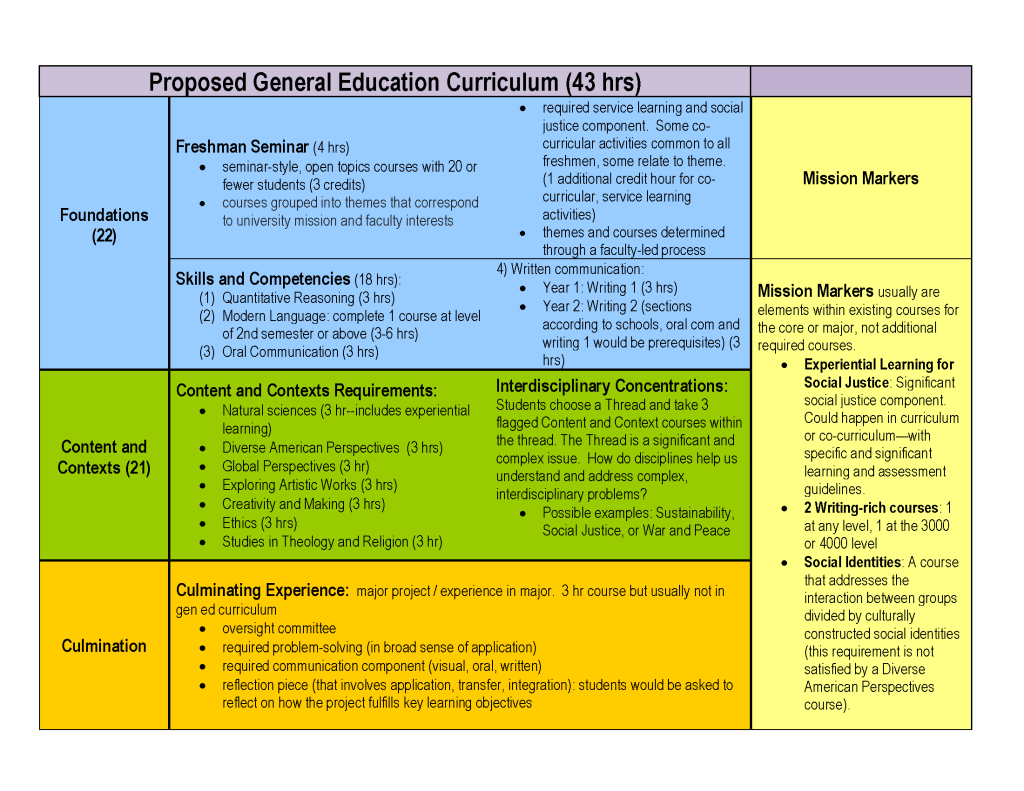
When it comes to alternative schooling and education, there are numerous factors that parents and students need to consider in order to create a well-rounded and successful academic experience. One of the key aspects is choosing the right curriculum that aligns with the student’s learning style and future goals. Whether it’s a traditional textbook-based approach, a project-based curriculum, or an online program, selecting the right curriculum can make a significant impact on the student’s overall educational journey.
Dual enrollment options provide students with the opportunity to earn college credits while still in high school, giving them a head start on their higher education journey. This can not only save time and money in the long run but also expose students to college-level coursework and expectations early on. It’s important for students to carefully consider dual enrollment programs available in their area and choose courses that will benefit their academic and career goals.
Standardized testing preparation is another crucial aspect of alternative education, as many colleges and universities require standardized test scores for admissions. Providing resources and support for students to excel in these tests can open doors to higher education opportunities. Whether through official test prep courses or online resources, helping students develop effective test-taking strategies is essential.
Extracurricular activities play a vital role in holistic development outside of academics. Alternative schools should encourage participation in clubs, sports, community service projects, or other extracurricular activities that cater to students’ interests and talents. These experiences not only enrich their social skills but also demonstrate a well-rounded profile for college applications or future careers.
In terms of preparing for college admissions, alternative schooling must ensure that students are equipped with strong time management skills, study habits, and techniques necessary for success at the next level of education. Additionally, providing guidance on building portfolios showcasing academic achievements, extracurricular involvement, internships, or volunteer work can give applicants an edge during the competitive college admissions process.
Furthermore, offering socialization opportunities through field trips, educational outings, homeschool co-ops or support groups allows alternative school students to interact with peers outside their immediate academic setting. This fosters social connections while broadening their horizons through shared experiences beyond textbooks or screens.
For special education considerations within alternative schooling programs, it’s essential to tailor educational plans based on individual needs and abilities. Advanced placement courses may be beneficial for high-achieving students seeking more challenging coursework aligned with college-level expectations.
Internship opportunities offer hands-on experience in potential career fields which can help narrow down career choices before entering post-secondary education. Career exploration initiatives within alternative schools enable students to explore various professions through workshops or mentorship programs.
Lastly,
academic counseling services play a critical role by providing personalized guidance on course selection,
learning styles assessment,
graduation requirements,
and overall academic progress monitoring.
These services ensure that each student receives tailored support throughout their educational journey towards achieving success academically.
 Alternative Amie
Leave a comment