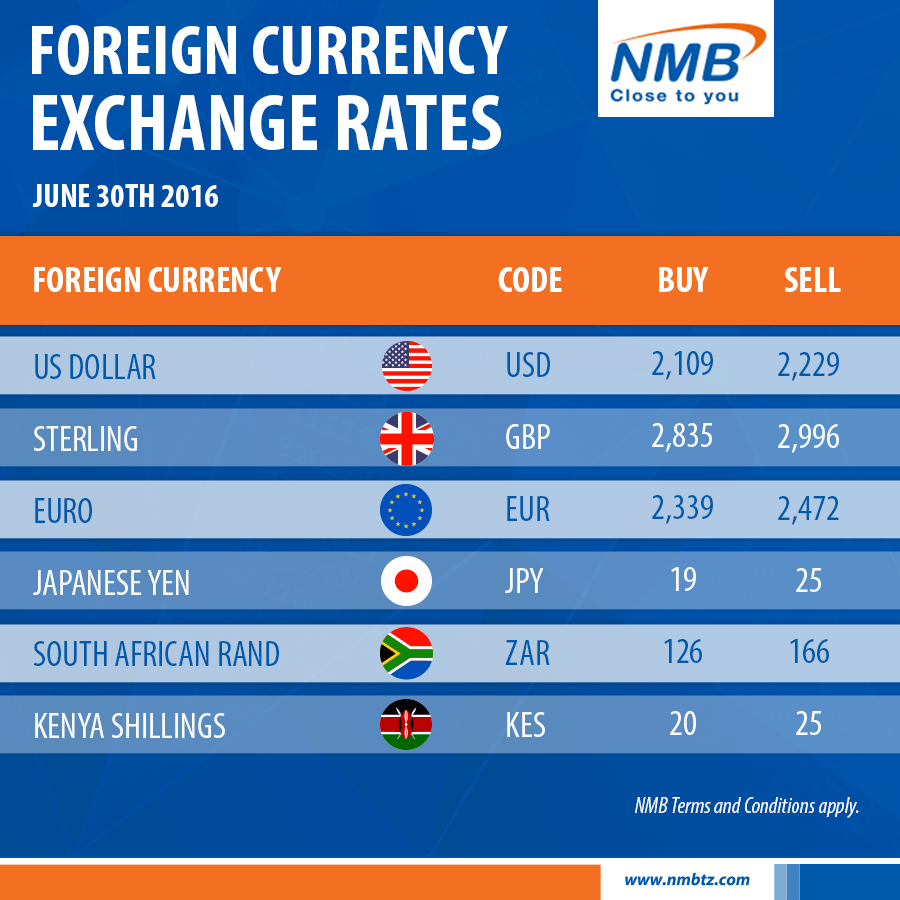
Understanding exchange rates is crucial for individuals and businesses engaging in international trade, travel, or investment. Exchange rates determine the value of one currency relative to another and are constantly fluctuating due to various economic factors. By grasping the basics of exchange rates, individuals can make informed decisions when dealing with foreign currencies.
Exchange rates are influenced by a variety of factors including interest rates, inflation, political stability, and market speculation. Central banks play a vital role in influencing exchange rates through monetary policy decisions such as adjusting interest rates or implementing quantitative easing measures. These actions can have a significant impact on the value of a country’s currency in relation to others.
When it comes to understanding how exchange rates work, it’s important to distinguish between nominal and real exchange rates. Nominal exchange rates reflect the current market price of one currency in terms of another, while real exchange rates take into account differences in inflation between countries. Real exchange rates provide a more accurate measure of purchasing power parity between two currencies.
Exchange rate regimes also play a key role in determining how currencies are valued. Floating exchange rate systems allow market forces to determine currency values based on supply and demand dynamics. In contrast, fixed or pegged exchange rate systems involve central banks actively intervening to maintain a specific value for their currency relative to another.
For individuals looking to convert currencies for travel or investment purposes, understanding how exchange rate movements can impact their transactions is essential. Exchange rate fluctuations can affect the cost of goods and services purchased abroad as well as the returns on investments denominated in foreign currencies.
In conclusion, having a solid grasp of exchange rates is essential for navigating the complexities of international finance. By staying informed about economic trends and factors influencing currency values, individuals can make better-informed decisions when dealing with foreign currencies. Keeping track of global economic developments and seeking advice from financial experts can help mitigate risks associated with fluctuating exchange rates and capitalize on potential opportunities in international markets.
 Alternative Amie
Leave a comment