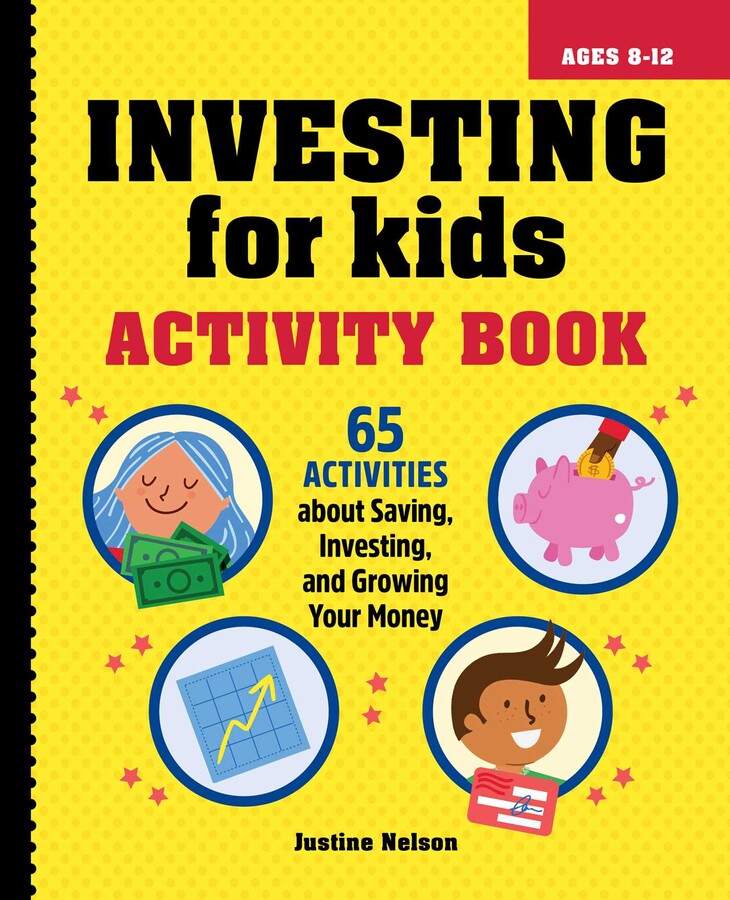
Investing is a crucial skill that can set children up for financial success in the future. Teaching kids about investing not only helps them understand the value of money but also instills discipline, critical thinking, and long-term planning skills. In this FAQ-style guide, we will explore the basics of investing for kids to help parents and educators introduce these concepts in a fun and educational way.
1. Why should I teach my child about investing?
Introducing kids to the world of investment at an early age can lay a strong foundation for their financial literacy and independence as they grow older. By learning about saving, budgeting, and investing from a young age, children develop good money habits that can benefit them throughout their lives.
2. What are some simple ways to explain investing to kids?
Start by explaining the concept of growth over time using relatable examples like planting seeds in a garden or watching a small amount of money grow when saved in a piggy bank. You can also introduce the idea of earning interest on savings accounts or investments as a way to make money work for them.
3. How can I make learning about investing fun for kids?
Engage children in interactive activities such as setting up mock investment portfolios with imaginary stocks or creating a lemonade stand business where they can learn about profits and losses. Board games like Monopoly or online simulations can also be great tools to teach basic financial concepts in an entertaining way.
4. What are some kid-friendly investment options?
For younger children, consider setting up a savings account where they can watch their money grow with interest. As they get older, you may introduce them to low-risk investments such as index funds or exchange-traded funds (ETFs) that offer diversification without requiring active management.
5. How much should my child invest?
The amount your child invests will depend on their age, financial goals, and risk tolerance. Encourage them to start small with any extra allowance or gift money they receive and gradually increase their contributions as they become more comfortable with the concept of investing.
6. Should I involve my child in real-life investment decisions?
Involving your child in real-life investment decisions can be an excellent learning opportunity but ensure that you explain the risks involved clearly. Consider opening custodial accounts where your child has ownership over the assets but requires adult supervision until they reach legal adulthood.
7. How do I teach my child about risk management?
Help your child understand the importance of diversification by spreading investments across different asset classes like stocks, bonds, and cash equivalents to reduce risk exposure. Emphasize the need for patience and long-term thinking rather than chasing short-term gains.
8.. Are there any resources available to help educate kids about investing?
Several online platforms offer educational resources tailored for young investors such as websites, apps, books, and workshops designed specifically for children interested in learning more about finance and investments.
9.What are some valuable lessons children can learn through investing?
Investing teaches children important life skills such as patience – understanding that investments take time before yielding returns; critical thinking – analyzing market trends and making informed decisions; goal-setting – working towards specific financial objectives; responsibility – managing finances wisely; resilience – accepting losses gracefully while focusing on long-term growth.
10.How do I encourage my child’s interest in investing?
Encourage curiosity by discussing current events related to finance or companies that may pique your child’s interest.
Provide opportunities for hands-on experiences by involving them in family discussions on budgeting or allowing them input into minor family expenses.
11.How do I monitor progress when teaching my kid how how does he/she grasp it?
Monitor progress by observing changes in behavior towards saving , spending habits after introducing principles taught during sessions.
Discuss achievements regularly focusing on milestones achieved whether it be increased contribution rates , improved understanding concerning personal finance etc.
In conclusion Investing is an essential life skill that parents should consider imparting upon their youngsters . The unique blend between fun filled activities combined with practical lessons ensures appealing content delivery hence efficient comprehension among minors .
 Alternative Amie
Leave a comment