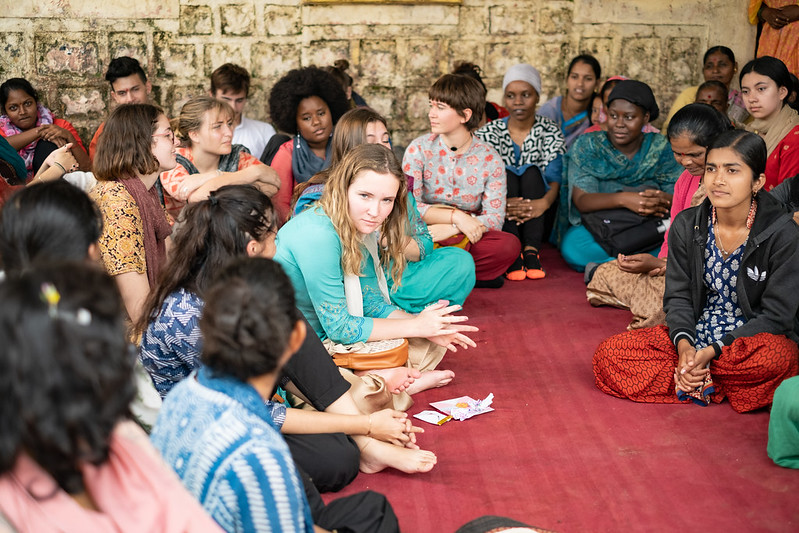
Traveling as a Form of Education
In today’s fast-paced world, education has taken many forms beyond the traditional classroom setting. One particularly enriching and eye-opening form of education is traveling. While textbooks and lectures have their place in learning, nothing quite compares to the real-world experiences and lessons gained from exploring new cultures, landscapes, and ways of life.
Traveling offers a unique opportunity for individuals to step outside their comfort zones, challenge their perspectives, and broaden their horizons in ways that no classroom can replicate. It provides a hands-on approach to learning about history, geography, sociology, language, cuisine, art, and so much more. Through travel, one can engage with different customs and traditions firsthand, gaining a deeper understanding of diversity and cultural richness.
One significant aspect of traveling as an educational tool is its ability to foster empathy and tolerance towards others. By immersing oneself in unfamiliar environments and interacting with people from diverse backgrounds, travelers learn to appreciate the similarities that bind humanity together while also respecting the differences that make each culture unique. This firsthand experience can break down stereotypes and prejudices that may have been formed based on ignorance or misinformation.
Furthermore, traveling encourages personal growth by pushing individuals out of their comfort zones and presenting them with challenges that require adaptability and problem-solving skills. Navigating through foreign cities where one may not speak the language or understand the local customs can be intimidating but also incredibly rewarding. Overcoming these obstacles builds resilience and self-confidence while teaching valuable life skills such as communication, resourcefulness, independence, flexibility,
Beyond cultural immersion and personal development benefits traveling provides opportunities for experiential learning across various subjects areas. For example visiting historical sites like ancient ruins or museums offers a tangible connection to past events making history come alive in way not possible through textbooks alone students studying art architecture could benefit greatly from seeing famous landmarks structures person understanding how they were designed constructed materials used enhance appreciation craftsmanship creativity behind masterpieces Likewise science enthusiasts might explore natural wonders like coral reefs volcanoes witness ecological systems action geology firsthand reinforce concepts taught classrooms Additionally language learners immerse themselves native speakers practice improve fluency proficiency target languages interactive environment
Moreover travel exposes individuals global issues challenges facing our planet climate change poverty inequality conflict refugees experiencing these first hand witnessing impact communities fosters sense responsibility engagement encouraging active participation solutions when return home thus creating informed empowered citizens who advocate positive change their own societies
It’s important note traveling doesn’t necessarily mean jet-setting around world exotic destinations even local regional trips offer opportunities learn grow whether exploring nearby town hiking national park attending cultural festival within state there endless possibilities gain knowledge perspective through movement exploration
Overall traveling as form education invaluable supplement conventional schooling it complements academic theoretical knowledge real-life experiences application concepts promotes holistic development individuals fostering open-mindedness curiosity lifelong love discovery adventure ultimately shaping well-rounded informed engaged citizens society at large
 Alternative Amie
Leave a comment