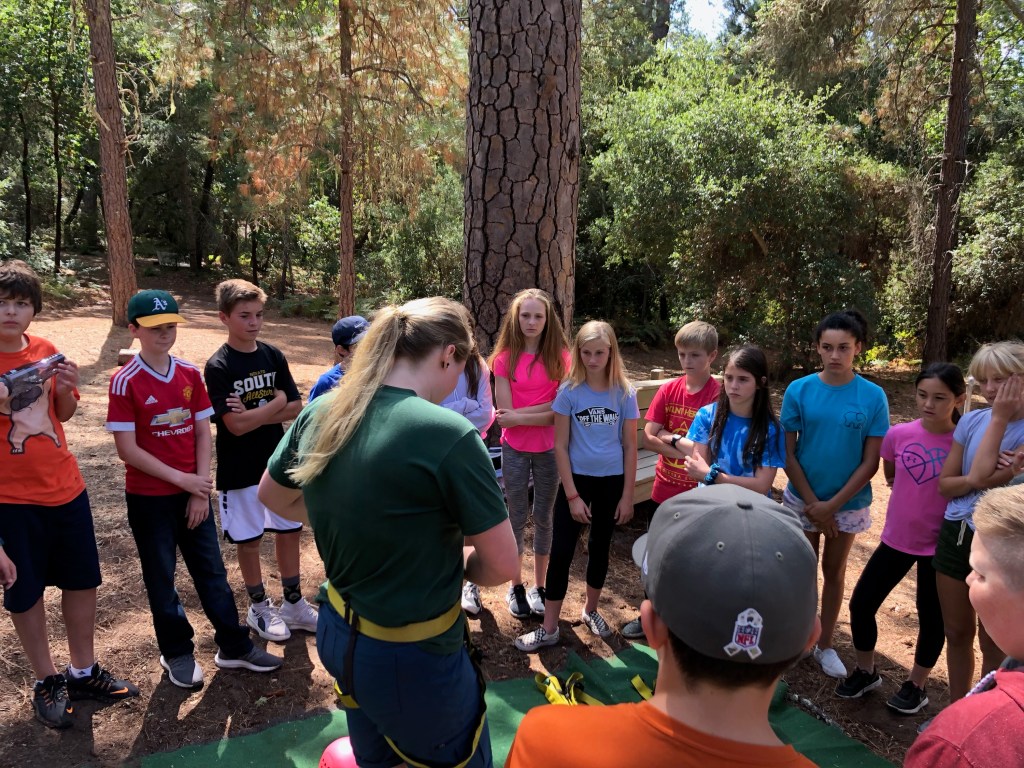
Incorporating outdoor education into homeschooling co-ops can provide a plethora of benefits for children. Outdoor education allows students to connect with nature, engage in hands-on learning experiences, and develop important life skills such as problem-solving and teamwork. One way to incorporate outdoor education is by organizing field trips to natural areas like parks, forests, or botanical gardens where students can learn about ecosystems, wildlife, and conservation.
Implementing project-based learning in homeschooling co-ops is another effective way to enhance the educational experience. This approach encourages students to work on real-world projects that are meaningful and relevant to their interests. Projects could range from creating a community garden to designing a sustainability plan for the co-op. Project-based learning fosters creativity, critical thinking, and collaboration among students.
Exploring unschooling within a co-op setting can be a unique approach that allows children more freedom in choosing what they want to learn. Unschooling encourages self-directed learning based on individual interests and strengths. In a co-op setting, parents can facilitate unschooling by providing resources, guidance, and opportunities for experiential learning.
Addressing socialization concerns is essential for homeschooled children. Homeschooling co-ops offer a supportive environment where kids can interact with peers, participate in group activities, and develop social skills through collaborative projects and team-building exercises.
Introducing mindfulness practices into the curriculum of homeschooling co-ops has shown positive effects on students’ well-being and academic performance. Mindfulness activities like meditation, yoga, or breathing exercises can help children manage stress, improve focus, and cultivate emotional intelligence.
Balancing academic rigor with flexibility is key in homeschooling co-ops. Parents should tailor the curriculum to meet each child’s needs while ensuring that academic standards are met. Flexibility allows for personalized learning plans that cater to different learning styles and paces.
Supporting children with special needs requires individualized attention and specialized resources within homeschooling co-ops. Parents can collaborate with educators and therapists to create inclusive environments that accommodate diverse abilities.
Integrating art and creativity into the curriculum enhances holistic development in children. Art projects stimulate imagination, self-expression, and fine motor skills while fostering an appreciation for aesthetics.
Emphasizing sustainable living practices teaches children about environmental stewardship within homeschooling co-ops. Activities such as recycling programs or gardening initiatives instill values of conservation and responsibility towards the planet.
Fostering entrepreneurship skills prepares students for future career endeavors by encouraging innovation,
problem-solving,and financial literacy within homeschool cooperatives.
Utilizing technology in homeschool cooperatives facilitates interactive
learning experiences through online resources,virtual tours,and educational apps
that complement traditional teaching methods.
Promoting cultural diversity & inclusion encourages mutual respect& understanding among
students from various backgrounds within home-school collectives.
Navigating legal requirements ensures compliance with state regulations regarding home-
school cooperatives.Parents should research laws& policies governing home-
education& seek guidance from local authorities when necessary.
Provided support empowers parents as educators through access
to professional development opportunities,support groups,& mentorship programs within home-school networks.
Creating opportunities for community service & volunteering instills values of compassion,
altruism,& civic engagement among homeschooled youth.Supportive mechanisms should be established
for students eager to contribute positively towards society at large.
Offer dual enrollment options enables high school learners enrolled in home-school collectives
to earn college credits concurrently.This initiative broadens academic horizons&
prepares individuals for higher education pathways upon graduation
 Alternative Amie
Leave a comment