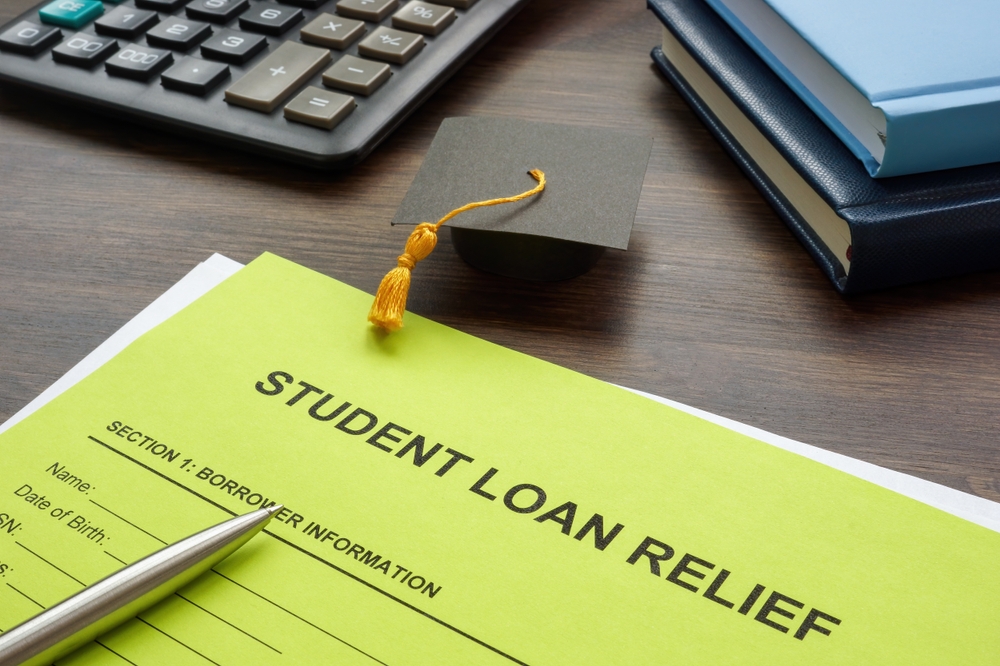
Debt management is a crucial skill that everyone should learn, regardless of their background or educational path. While traditional schooling often overlooks this important aspect of personal finance, alternative education settings have the unique opportunity to integrate debt management into their curriculum and empower students with the knowledge and tools they need to navigate the complex world of finances.
Understanding Debt
Debt is a reality for many individuals and families in today’s society. From student loans to credit card debt, mortgages to car loans, managing debt effectively can make a significant difference in one’s financial well-being. However, without proper education and guidance on how to handle debt responsibly, it can quickly spiral out of control and lead to financial hardship.
Alternative schools have the flexibility to incorporate lessons on debt management into their coursework in creative ways. By teaching students about different types of debt, interest rates, credit scores, and repayment strategies, educators can equip them with essential skills that will benefit them for years to come.
Creating Budgets
One key aspect of effective debt management is creating and sticking to a budget. Alternative education programs can teach students how to track their income and expenses, prioritize spending, and set aside money for savings or emergency funds. By instilling these budgeting skills early on, students can develop healthy financial habits that will serve them well throughout their lives.
By incorporating real-life scenarios and hands-on activities into the curriculum, educators can make learning about budgeting more engaging and practical for students. Whether through interactive workshops or personal finance projects, alternative schools have the opportunity to provide valuable experiences that simulate real-world financial decision-making.
Building Credit Responsibly
Another critical component of debt management is understanding how credit works and building a positive credit history. Alternative education programs can educate students about the importance of maintaining good credit scores and demonstrate how responsible borrowing behavior can open doors to future opportunities like securing low-interest loans or renting an apartment.
By teaching students about common pitfalls that could negatively impact their credit score – such as missing payments or maxing out credit cards – educators can help them avoid costly mistakes that may haunt them in the future. Additionally, exploring topics like identity theft protection and fraud awareness can further empower students to safeguard their financial information proactively.
Seeking Support
Incorporating discussions around seeking support when facing financial challenges is also essential in any comprehensive debt management program. Students should be encouraged not only to ask questions but also seek guidance from teachers or financial counselors if they find themselves struggling with debts or money-related stressors.
By fostering an open dialogue around financial wellness within alternative education settings – whether through peer support groups or guest speaker sessions – educators create a supportive environment where students feel comfortable addressing their concerns without fear of judgment.
Conclusion
Debt management is a vital skill that plays a significant role in shaping individuals’ long-term financial health. Alternative education programs are uniquely positioned to impart this knowledge onto students by integrating practical lessons on budgeting, credit-building strategies, responsible borrowing practices,and seeking assistance when needed within their curriculum.
By equipping learners with these essential tools early on in life,certified alternativeschools not only prepare them for academic success but also empowerthemto make informed decisionsabouttheirfinancial futures.Teachingdebtmanagementisnotjustaboutbalancingbooks;it’saboutempoweringindividualsandcommunitiestotakecontroloftheirfinancesandbuildastablefoundationforsuccessintheadultworldbeyondtheschoolgates
 Alternative Amie
Leave a comment