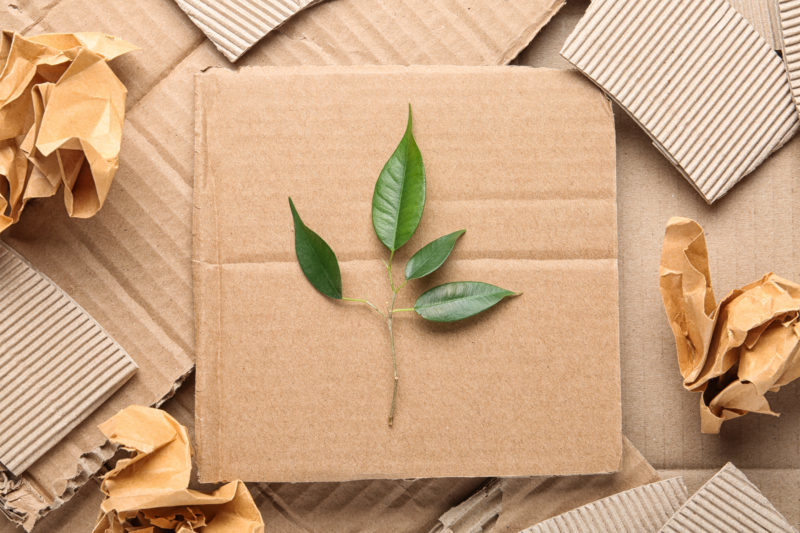
In the realm of maker projects, there has been a growing emphasis on using sustainable materials to create innovative and eco-friendly solutions. Sustainable materials not only reduce environmental impact but also provide an opportunity for students to learn about the importance of conservation and responsible consumption. By incorporating sustainable materials such as recycled paper, cardboard, bamboo, or biodegradable plastics into maker projects, educators can instill values of sustainability in young learners.
Another important aspect of maker education is integrating social justice themes into projects. This approach allows students to explore issues surrounding equity, diversity, and inclusion through hands-on activities. By creating projects that address social justice topics like poverty, discrimination, or access to education, students can develop empathy and critical thinking skills while making a positive impact in their communities.
Music and sound design offer unique opportunities for creativity in maker activities. By incorporating music production software or sound manipulation tools into maker projects, students can explore the intersection of art and technology while developing their auditory senses. From building musical instruments out of recycled materials to designing interactive sound installations, music can add a dynamic element to maker education.
For students with disabilities, maker education provides a platform for inclusive learning experiences. Educators can adapt projects to accommodate diverse needs by providing alternative tools or assistive technologies. By fostering a supportive environment that celebrates individual strengths and abilities, maker education can empower students with disabilities to engage in hands-on learning and creative expression.
Exploring indigenous perspectives in maker culture offers a rich opportunity for cultural exchange and understanding. By incorporating traditional knowledge systems, storytelling traditions, or craft techniques from indigenous cultures into maker projects, educators can promote respect for diverse worldviews and heritage preservation among students.
Virtual reality (VR) and augmented reality (AR) present exciting possibilities for immersive learning experiences in maker education. Students can design virtual environments or interactive simulations that enhance their understanding of complex concepts or real-world scenarios. VR/AR technology enables learners to experiment with new ideas and push the boundaries of creativity in ways that were previously unimaginable.
Early childhood development benefits greatly from engaging in hands-on maker activities at an early age. Through age-appropriate projects that stimulate sensory exploration and fine motor skills development, young children can foster curiosity, problem-solving abilities, and spatial reasoning skills essential for future learning success.
Cultivating a “maker mindset” involves nurturing qualities like creativity, resilience,
collaboration,and resourcefulness among students.Providing opportunities for iterative prototyping,troubleshooting challenges,and embracing failure as partof the learning process helps instill this growth-oriented mindsetin learners.By encouraging curiosityand experimentation,makereducation fosters lifelong learners preparedto tackle real-world problems creatively.
Storytelling elements add depthand meaningto makrprojectsby weaving narrativesinto making processes.Studentscan create characters,settings,and plotlines aroundtheir creations,making them more personaland emotionally resonant.This approach enhancesengagementwhile sharpening communicationand storytelling skillsamong participants.
Community partnerships are crucialfor expanding access andrelevancein makrducationprograms.By collaboratingwith localorganizations,businesses,and makerspaces,schools cangain valuable resourcesandsupportnetworksthat enrichthe educational experiencefor bothstudentsand educators.Through thesepartnerships,makerscanshare expertise,collaborateon larger-scaleprojects,and inspireone anotherthrough sharedpassionsfor making.
Makereducationis not limitedto traditional classroomsettings;it also offersenrichinglearning opportunitiesfor adultlearners.Lookingspecificallyatadulteducationprograms,makeractivitiescan fostercreativity,reskillingsupervised techskillsdevelopmentamongparticipants.Withan emphasison lifelonglearningandinclusivity,makereducationshouldbe embracedas avaluable toolforallagesseekingpersonalor professionaldevelopmentthroughhands-onmakingexperiences.
The intersectionofartandtechnologyin makrprojects showcasesinnovativeapproachesto creativeexpression.By blendingtraditional artisticmediumslike paintingor sculpturewith digitaltoolssuchas coding,laser cutting,o3Dprinting,studenayunleashtheir imaginationsandoften producevisually stunningworksthat challengeconventionalnotionsof what constitutesart.Incorporatingartintomakredcationencouragesself-expression,self-discoveryandesperimntationamongparticipatswhile cultivatinganappreciationforetheticsanddesignprinciplesacrossdisciplines.
Mindfulnespracticesoffer abalancingelementinthemakerspaceby promotingawareness,presence,a focusonthepresentmoment.These practicescan helpstudentstaygrounded,dreducestress,increasefocusaattentiontodetailduringmakingprocesses.Combiningmindfulnesswithmakreducationalsofostersreflectivepracticesandan appreciationforthesenses–allvaluablequalitiesforthedevelopmentofwell-roundedindividualsandcreativeproblem-solvers.Mindfulmaking encouragesastudentstopause,breathe,aconnectwiththeir projectson adeeperlevel,enrichingtheroverallmakrexperiencewithamoredeliberateandsensorialapproach.
Makreducationplays acrucial roleinenvironmentalsustainabilitybyteachingstudentsto considertheimpactoftheir actionsonecosystemsanda planet.As stewards.ofthenaturalworld,youngmakersareencouragedtotakecarefulconsiderationwhenchoosingmaterialsandreducingwasteintheirprojectsdemonstratingresponsibleconsumption,reuse,a recyclinghabits.Environmentally-mindedmakrsalsoexplorealternativeenergysources,sustainableproductdesign,strategiesforestainabilityina varietyoffieldsfromarchitecturetofashion,toengineering.Asa result,makrsbecomeagentschangecommittedtosolvingcomplexenvironmentalchallengesusinginnovativetechniquesanaethicalvalues
Usingbiomimicryconceptsinaurprojetcsinvites studentsto draw inspirationfromnature’sdesigns,functionality,aadaptations.Biomimeticdesignappliesnatural strategiesfoundinanimalsplantsmicrobesto man-maderoductsinventionscreatingmoreefficient,sustainableandalientecologyinspiredby naturalworld.Studentslearnhowtonotjustmimmicknature’sformsbutunderstandthelogicbehindthemapplyingthose principlessensibilitiesintotheirdesignthinkingprocesses.Biomimicryinalo ignitescuriosityaboutthewondersofthenaturalworldawakeningstudents’ innatecurosityforscience,natureaengineeringwhilepromotingathoughtulreflectiononhumankind’srelationshipwithecology
Exploring culturalheritagethrough makingcelebratesdiversehistories,languages,customsandtraditionsaroundtheworld.Integratingtraditionalcrafttechniques,festivalelementsoralhistoriesintomakerprojectsenrichesparticipants’understandingcultureenhancesinterculturalcompetenceacrossethnicitiesgenerations.Makingisanopportunitytocreatecommongroundfordiverseperspectivesbuidlingmutualrespectaappreciationfortraditionalknowledgecarrieddownthroughgenerations.Duringthesecreativeexplorationsofculturalheritage,studenarefreeitoshapeidentityexpressbeliefsvaluesthrougnarrativesobjectsconnectingpastpresentfutureinmeaningfulways
Integratingcodingprogrammingkillsintomakreducationequipsstudentswita powerfuldigitaltoolholearningplatformfortacklingcomplexproblems.Fromdevelopingcustomizedroboticsolutionswritinginteractivegamestodesigningelectronicmusiccompositionscodingandrgrammingcultivatecriticalthinkingskillogicalreasoningtndcomputationalfluency.Allowingstudentstoexplorealgorithmicthinkingdebuggingconceptsinstillsaresilientattitudetowardstechnologicalchallenges.Furthermore,codingprogrammininfostersteamworkcollaborationasstudetsoftenworkinclosely-knitgroupsolvingproblemsco-creatingdigitaprojectswihtechnicalprecisionaelegance
 Alternative Amie
Leave a comment