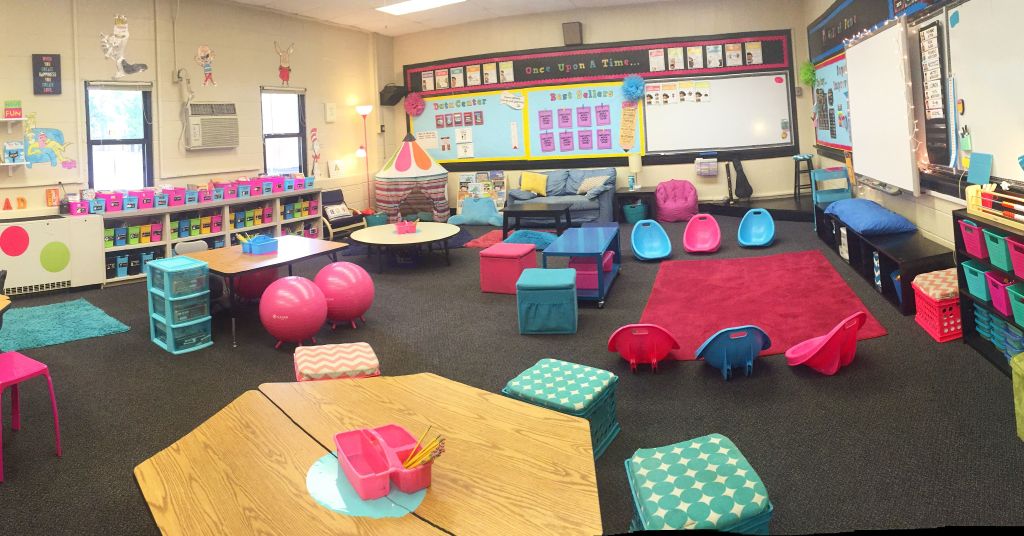
Flexible seating arrangements have gained popularity in recent years as educators and researchers recognize the benefits of providing students with a variety of options for where and how they learn best. Rather than traditional rows of desks, flexible seating allows students to choose from a range of furniture such as bean bags, standing desks, exercise balls, or even floor mats. This approach not only promotes physical movement and comfort but also fosters independence and autonomy in the learning process.
One of the key advantages of flexible seating is that it caters to different learning styles and preferences among students. While some may thrive sitting at a desk, others may find it more conducive to their productivity to work on a cozy couch or stand at a high table. By offering diverse seating options, teachers can empower students to take ownership of their learning environment and make choices that support their individual needs.
Furthermore, flexible seating has been shown to enhance student engagement and focus in the classroom. When given the freedom to select where they want to sit during lessons or activities, students are more likely to feel motivated and invested in their work. This sense of agency can lead to increased participation, collaboration, and overall enjoyment of the learning experience.
In addition to promoting academic success, flexible seating arrangements also contribute positively to students’ physical health and well-being. Sitting still for long periods at traditional desks can be uncomfortable for many children and may lead to issues like poor posture or restlessness. Providing alternatives like rocking chairs or wobble stools encourages movement throughout the day and helps prevent sedentary behavior.
Overall, implementing flexible seating strategies is an innovative way for schools to create dynamic learning environments that cater to the diverse needs of today’s learners. By embracing flexibility in classroom design, educators demonstrate a commitment to student-centered approaches that prioritize individuality, comfort, engagement, and holistic well-being. As we continue exploring new methods for enhancing education outcomes, adopting flexible seating practices represents a promising step towards cultivating 21st-century skills while nurturing healthy habits among young learners.
 Alternative Amie
Leave a comment