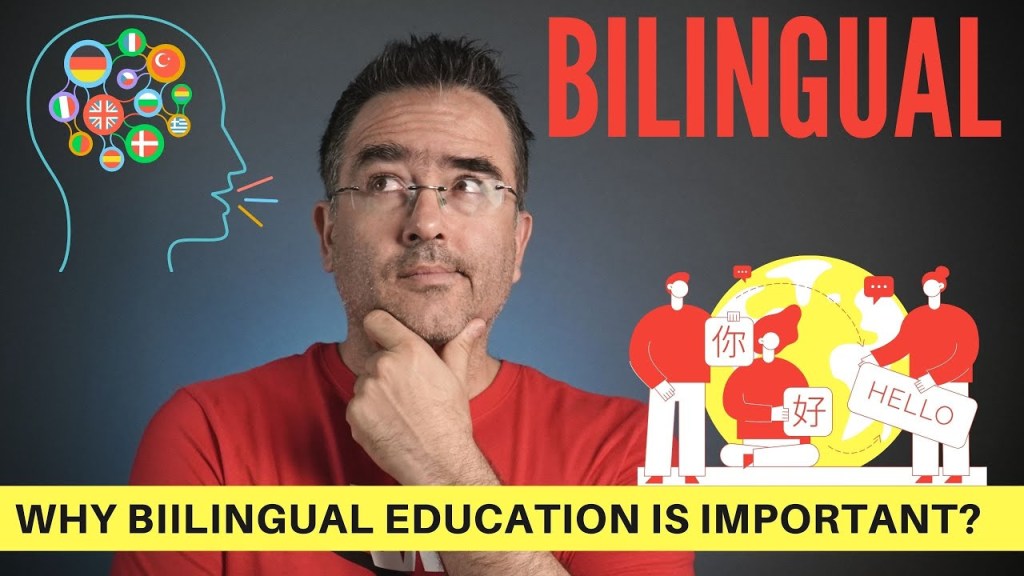
Urban bilingual education is a growing trend in many cities across the United States, as educators and communities recognize the importance of providing students with opportunities to become proficient in more than one language. This educational approach goes beyond simply teaching a second language; it aims to fully integrate bilingualism into the curriculum and create an environment where students can develop their linguistic skills while also fostering cultural awareness and appreciation.
One of the key principles of urban bilingual education is the belief that all students, regardless of their background or native language, should have access to high-quality education that meets their individual needs. By offering instruction in multiple languages, schools can better serve diverse student populations and help bridge communication gaps between different cultural groups within urban communities.
In addition to improving academic outcomes for students, research has shown that bilingualism also provides cognitive benefits such as enhanced problem-solving skills, improved multitasking abilities, and increased creativity. These advantages are particularly relevant in today’s globalized world, where proficiency in multiple languages can open up new opportunities for personal growth and career advancement.
Urban bilingual education programs take various forms depending on the specific needs and goals of each school or district. Some schools may offer dual-language immersion programs, where students receive instruction in two languages throughout their academic career. Other schools may focus on English Language Learners (ELLs) by providing targeted support services to help these students build proficiency in English while maintaining their home language.
Regardless of the approach taken, effective urban bilingual education requires strong partnerships between schools, families, and community organizations. Parents play a crucial role in supporting their children’s language development at home and advocating for resources within the school system. Community organizations can also provide valuable resources such as after-school tutoring programs, cultural events, and networking opportunities for bilingual students.
Implementing urban bilingual education programs comes with its own set of challenges. Limited funding for language resources and teacher training is often cited as a barrier to expanding these initiatives. Additionally, recruiting qualified teachers who are fluent in multiple languages can be difficult in some areas.
Despite these challenges, many urban school districts have successfully implemented innovative approaches to promote bilingualism among their student population. For example, some schools have adopted project-based learning models that incorporate real-world applications of language skills into classroom activities. Others have partnered with local businesses or universities to provide internship opportunities for bilingual students seeking practical experience using their language abilities outside of school.
Overall, urban bilingual education offers unique benefits not only for individual students but also for society as a whole. By equipping young people with strong linguistic skills and cultural competence from an early age, we are preparing them to succeed in an increasingly interconnected world where diversity is celebrated rather than feared.
 Alternative Amie
Leave a comment