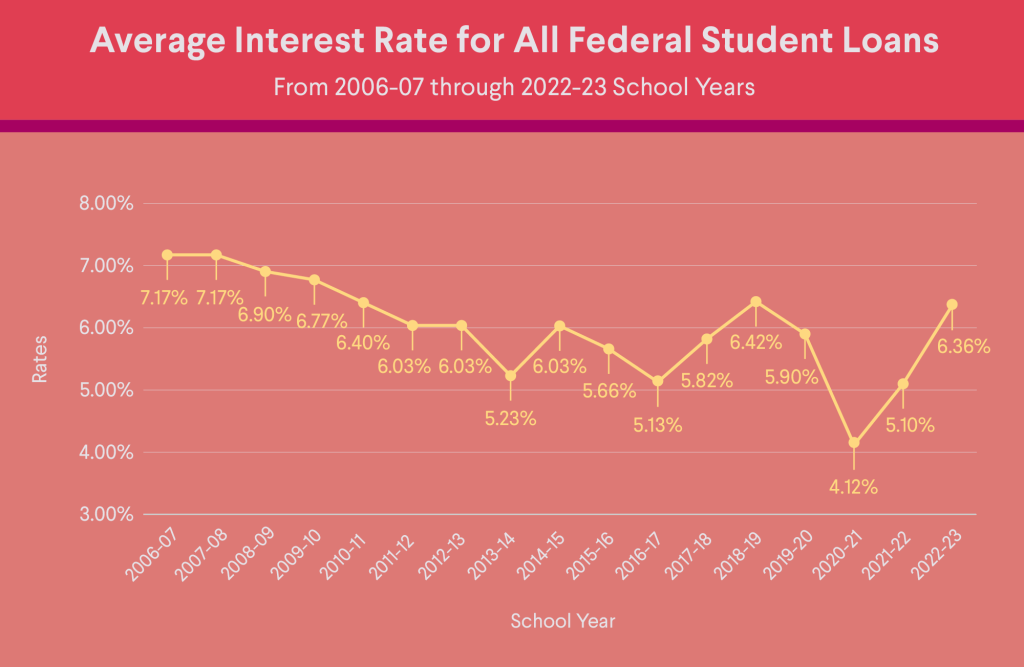
Student loans have become a common method for students to finance their higher education in today’s society. However, the concept of student loans has a long and complex history that dates back centuries. The idea of providing financial assistance to students can be traced back to ancient civilizations such as Greece and Rome, where wealthy individuals or institutions would sponsor promising scholars to pursue their studies.
In the United States, the modern student loan system began to take shape after World War II with the passage of the Servicemen’s Readjustment Act of 1944, commonly known as the GI Bill. This legislation provided financial aid for veterans to attend college or vocational school, helping millions of returning soldiers access higher education and transition back into civilian life. The success of the GI Bill demonstrated the transformative power of educational opportunities and paved the way for further federal involvement in student lending.
The Higher Education Act of 1965 marked a significant milestone in shaping today’s student loan landscape. This legislation established various federal aid programs, including grants and low-interest loans, to make higher education more accessible for low-income students. Subsequent amendments and updates to the Higher Education Act expanded eligibility criteria and increased funding levels, further expanding access to student loans for a wider range of individuals.
Over time, as tuition costs continued to rise faster than inflation rates, reliance on student loans became increasingly common among American college students. By the late 20th century and early 21st century, student loan debt had reached unprecedented levels, leading some critics to question the sustainability of this borrowing model for financing higher education.
The Student Loan Marketing Association (commonly known as Sallie Mae) played a key role in facilitating private investment in student loans by purchasing federally guaranteed loans from lenders and issuing its own private-label loans. While Sallie Mae helped expand access to credit for students seeking higher education, it also contributed to rising debt burdens due to high interest rates on private loans.
In recent years, concerns about rising student loan debt levels have prompted calls for reforming the current system. Proposals such as making college tuition-free or forgiving existing student loan debts have gained traction among policymakers and advocacy groups seeking solutions to address this growing issue.
Despite ongoing debates about how best to address the challenges posed by student loan debt, one thing remains clear: access to affordable higher education is crucial for empowering individuals with knowledge and skills needed in today’s rapidly changing job market. As we continue exploring alternative schooling options and innovative approaches towards learning beyond traditional institutions, finding sustainable ways to support students’ educational pursuits will remain an important goal for shaping our future generations’ success.
 Alternative Amie
Leave a comment