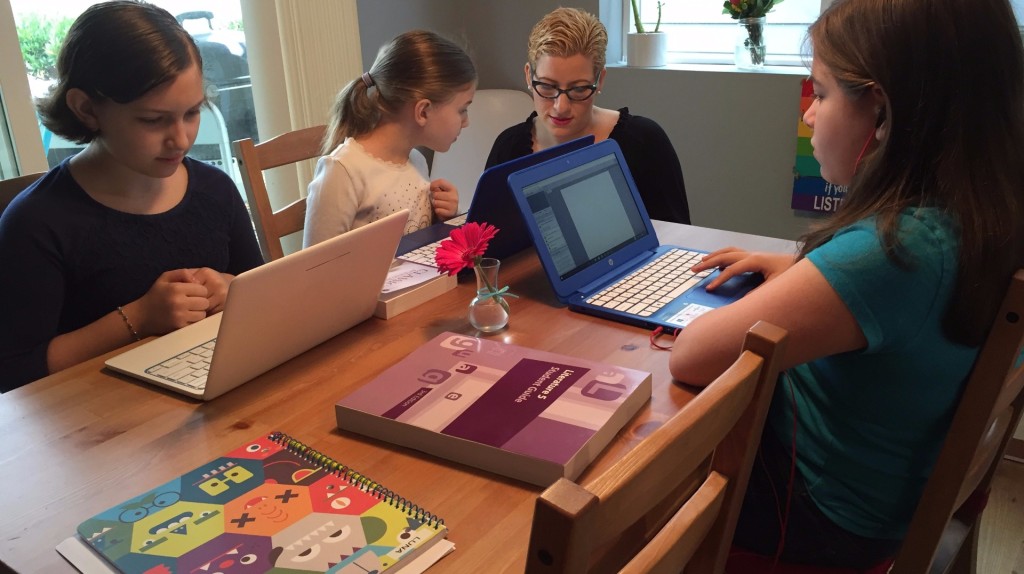
Virtual school has become a popular alternative to traditional brick-and-mortar education, offering students the flexibility and convenience of learning from the comfort of their own homes. With the rise of virtual schooling comes a host of unique challenges and opportunities that educators, parents, and students must navigate. In this article, we will explore various aspects of virtual schooling, including curriculum customization, socialization challenges, teacher-student communication strategies, mental health impact, technology requirements, extracurricular activities, parent involvement, student motivation techniques, special education programs, assessment methods, time management skills, teacher training and support.
**Curriculum Customization**
One of the key benefits of virtual schooling is the ability to customize the curriculum to meet individual student needs. Virtual schools often offer a wide range of courses and resources that can be tailored to accommodate different learning styles and paces. Students can work at their own pace and focus on areas where they need extra help or challenge themselves with advanced coursework.
**Socialization Challenges**
A common concern with virtual schooling is the lack of social interaction compared to traditional schools. While virtual schools may not offer as many opportunities for in-person socialization, there are still ways for students to connect with their peers through online forums, discussion boards, group projects, and virtual clubs. Parents can also organize playdates or community events to help children foster friendships outside of school hours.
**Teacher-Student Communication Strategies**
Effective communication between teachers and students is crucial in a virtual school setting. Teachers should establish clear expectations regarding availability for questions or assistance and provide timely feedback on assignments. Video conferencing tools like Zoom or Google Meet can be used for face-to-face interactions when needed.
**Mental Health Impact**
Extended periods of isolation due to virtual schooling can take a toll on students’ mental health. It’s important for parents and educators to monitor students’ well-being closely and provide resources for coping with stress or anxiety. Encouraging regular breaks from screens, physical exercise routines, mindfulness practices can all contribute positively towards mental health.
**Technology Requirements**
Access to reliable technology is essential for successful participation in virtual schooling. Students should have access to high-speed internet connection devices like laptops or tablets that meet minimum technical requirements set by the school district or program provider.
**Extracurricular Activities**
Participation in extracurricular activities plays an important role in a well-rounded education experience but might be limited in a purely online environment. However some online platforms offer opportunities for joining clubs related hobbies interests sports music etc which allow students interact other learners worldwide
**Parent Involvement**
Parents play a critical role in supporting their child’s success in virtual school by providing structure at home monitoring progress communicating regularly with teachers attending parent-teacher conferences This involvement helps bridge gap between classroom learning environment creating holistic educational experience
**Student Motivation Techniques**
Motivating students engage actively participate lessons challenging especially without physical presence educator classmates Various strategies such as setting achievable goals celebrating small wins providing positive reinforcement fostering sense ownership over learning process help maintain high levels motivation
These are just few aspects involved navigating worldvirtual schoollots consider choosing right fit child ensure academic success personal growth overall well-being
 Alternative Amie
Leave a comment