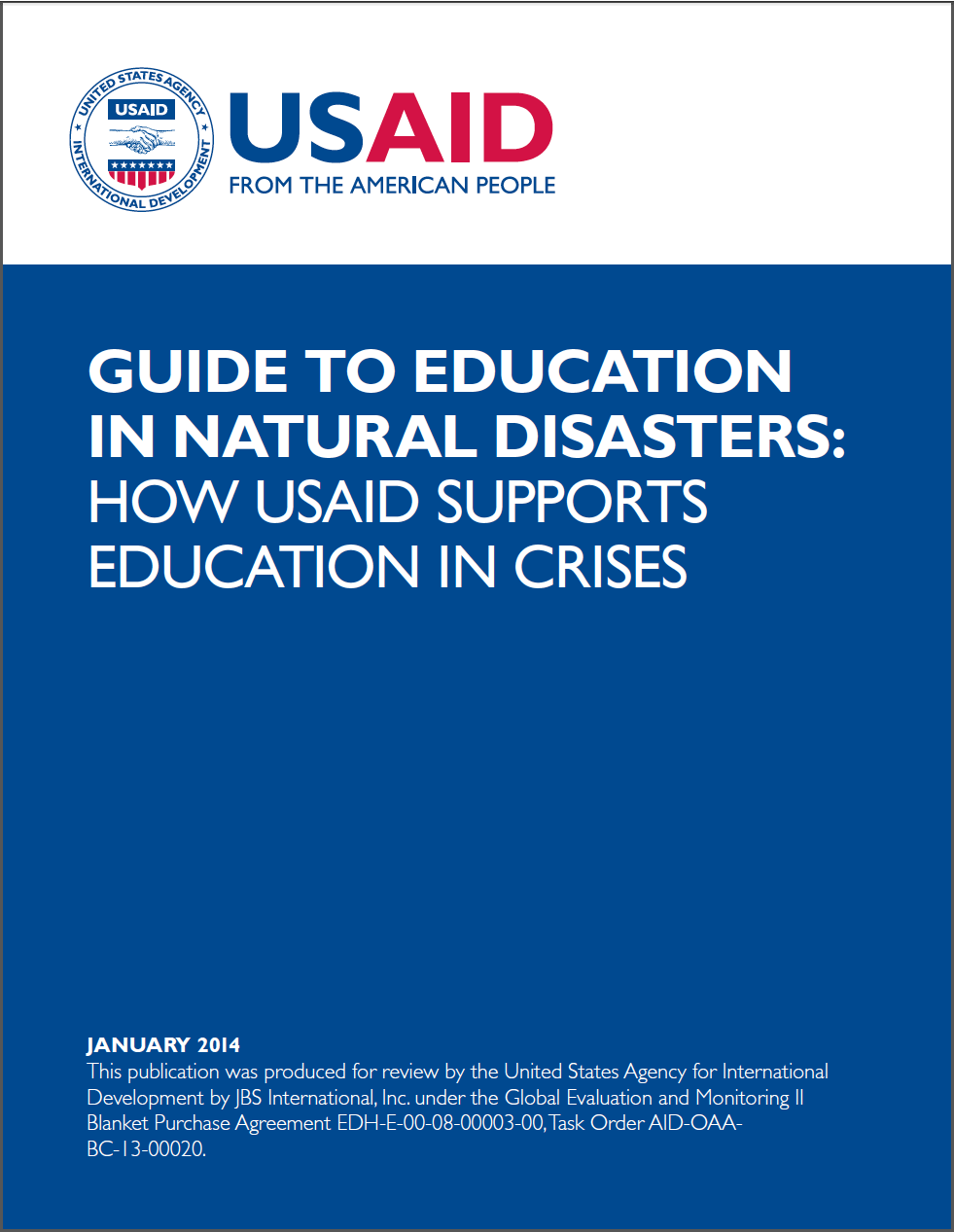
Natural disasters are events that can have devastating effects on communities and individuals, causing loss of life, destruction of property, and long-term emotional and psychological impacts. From hurricanes to earthquakes, wildfires to floods, these catastrophic events can strike without warning and leave lasting scars on those affected. In the realm of alternative schooling and education, it is essential to understand how natural disasters can impact students and educators alike.
One of the most significant challenges posed by natural disasters in the context of education is the disruption they cause to traditional schooling systems. When schools are damaged or destroyed, students are forced to relocate to new areas or attend temporary facilities. This upheaval can lead to a lack of continuity in learning, as well as increased stress and anxiety for both students and teachers.
In addition to physical damage to school buildings, natural disasters can also result in power outages, transportation disruptions, and communication breakdowns that further impede educational activities. Remote learning options may be limited or unavailable during such crises, making it difficult for students to access necessary resources and support from their teachers.
Furthermore, natural disasters often exacerbate existing inequalities within education systems. Vulnerable populations such as low-income families or those living in remote areas may face greater challenges in recovering from disaster-related setbacks due to limited resources and support networks. In times of crisis, these disparities become more pronounced as marginalized groups struggle to access essential services like healthcare and mental health support.
The emotional toll of experiencing a natural disaster cannot be underestimated when considering its impact on alternative schooling environments. Students who have lived through traumatic events may exhibit signs of post-traumatic stress disorder (PTSD), depression, or anxiety that affect their ability to focus on academic tasks or engage with their peers positively. Educators must be equipped with trauma-informed approaches that prioritize student well-being while still fostering a supportive learning environment.
Despite the myriad challenges presented by natural disasters in alternative educational settings, there are opportunities for resilience-building and growth amidst adversity. Schools that prioritize community partnerships and disaster preparedness initiatives can better equip themselves to handle future crises effectively. By fostering a culture of collaboration among students, parents, teachers, and local stakeholders before disaster strikes – schools create a network of support that can help mitigate the impacts of such events.
Alternative education models also offer flexibility in responding creatively to the disruptions caused by natural disasters. Online platforms for remote learning enable continuity in instruction even when physical classrooms are inaccessible; project-based learning approaches provide hands-on experiences that engage students outside traditional school settings; interdisciplinary curricula foster critical thinking skills needed for navigating complex real-world challenges like climate change adaptation.
Ultimately – recognizing the intersectionality between natural disasters – education requires a holistic approach grounded in empathy resilience-building strategies tailored towards individual needs within diverse alternative schooling contexts will not only prepare communities for future emergencies but also cultivate an inclusive environment where all learners feel supported valued during times uncertainty.
 Alternative Amie
Leave a comment