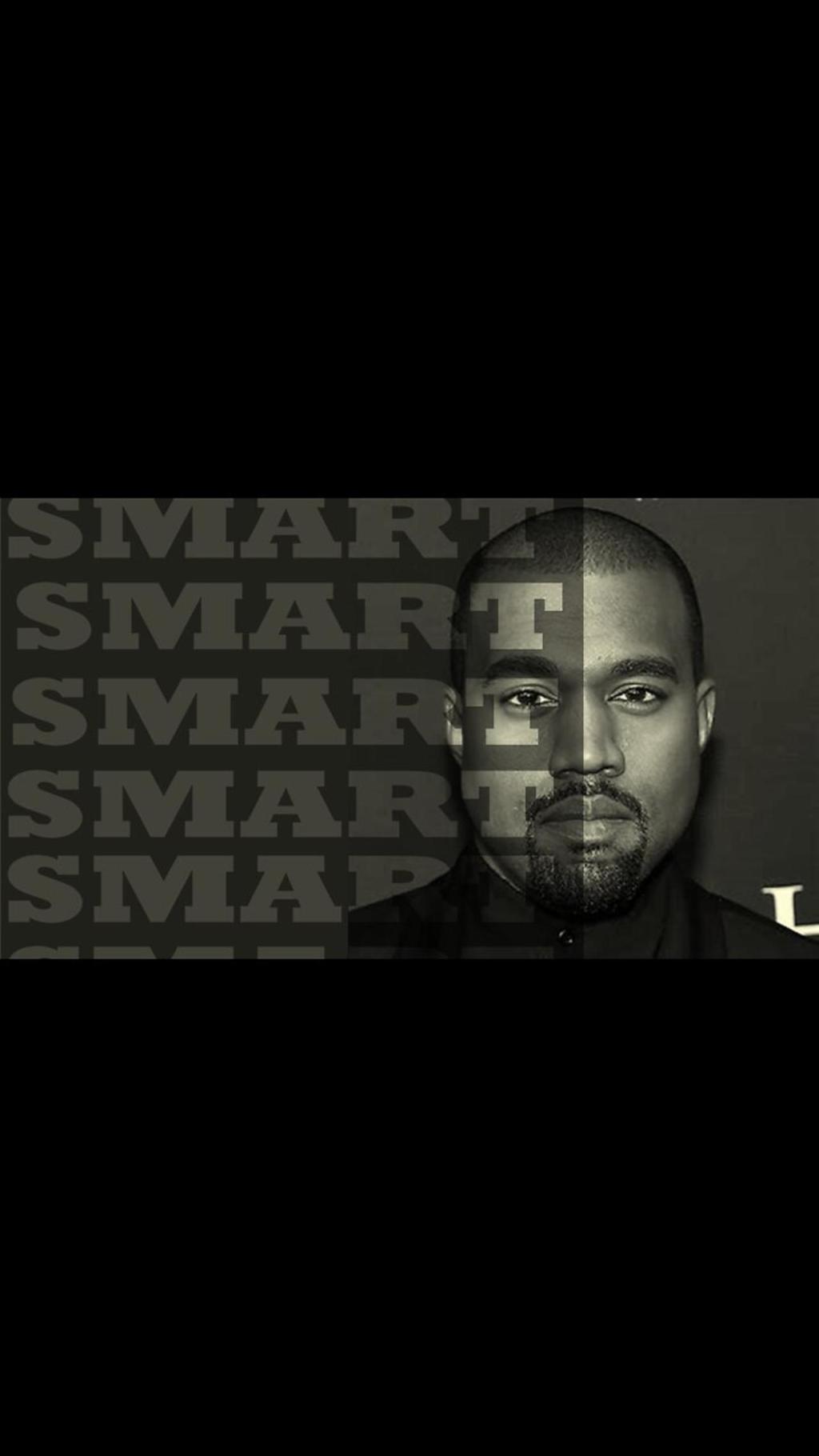
Kanye West is a prominent figure in the music industry, known for his innovative approach to music and fashion. However, beyond his musical talents, West has also made waves in the world of education with his unique perspective on learning and self-improvement.
West’s unconventional views on education stem from his own experiences growing up. He has spoken openly about feeling stifled by traditional schooling methods and how he believes they limit creativity and critical thinking. Instead of conforming to these standards, West has advocated for a more personalized approach to learning that allows individuals to explore their passions and interests.
One example of West’s alternative approach to education is the creation of Donda’s House, a nonprofit organization named after his late mother that provides arts education to young people in Chicago. The program offers classes in music production, songwriting, and other creative disciplines, aiming to empower youth through artistic expression.
In addition to Donda’s House, West has also dabbled in higher education with his short-lived “Donda Academy.” This experimental school was designed as an extension of Donda’s House but focused on providing a more comprehensive educational experience for students interested in pursuing careers in the arts.
While both ventures have faced criticism and challenges along the way, they reflect West’s commitment to reimagining traditional educational models. Through these initiatives, he seeks to create spaces where individuals can thrive creatively and intellectually without being confined by conventional norms.
Beyond formalized programs like Donda’s House and Donda Academy, Kanye West often emphasizes the importance of self-education and continuous learning. He frequently shares insights from books he reads or lectures he attends on topics ranging from art history to philosophy.
One notable instance of this was when West embarked on a journey through Europe with renowned architect Axel Vervoordt as part of their collaboration on interior design projects. During this time abroad, West immersed himself in European culture and history while exploring various art collections and architectural marvels—a form of experiential learning that undoubtedly enriched his creative vision.
West’s dedication to self-education extends beyond personal enrichment; it also serves as an inspiration for others seeking alternative paths to knowledge acquisition. His willingness to challenge conventional wisdom and embrace unconventional approaches exemplifies a growth mindset that encourages lifelong learning—a value often overlooked in traditional educational settings.
Moreover, Kanye West isn’t afraid to take risks or push boundaries when it comes to blending artistry with academia. For instance, his decision to deliver lectures at prestigious institutions like Harvard University showcases his desire to bridge the gap between entertainment and intellectual discourse.
By leveraging his platform as a celebrity artist, Kanye West amplifies important conversations about creativity, individuality, and non-traditional forms of education—an advocacy that resonates with many aspiring artists who may feel alienated by mainstream academic structures.
In conclusion,
Kanye West’s impact on alternative schooling extends far beyond music or fashion; it permeates into realms where innovation meets education—challenging preconceived notions about how we learn and grow as individuals. Through initiatives like Donda’s House
and the pursuit of self-education,
West continues
to inspire others
to think outside
the box.
His unapologetic approach serves as a reminder that true knowledge knows no bounds—and perhaps therein lies the key
to unlocking our fullest potential,
both artistically
and academically.
Whether you agree or disagree with Kanye’s methods,
one thing remains certain:
his influence cannot be ignored,
especially within the realm
of alternative schooling
and education.
 Alternative Amie
Leave a comment