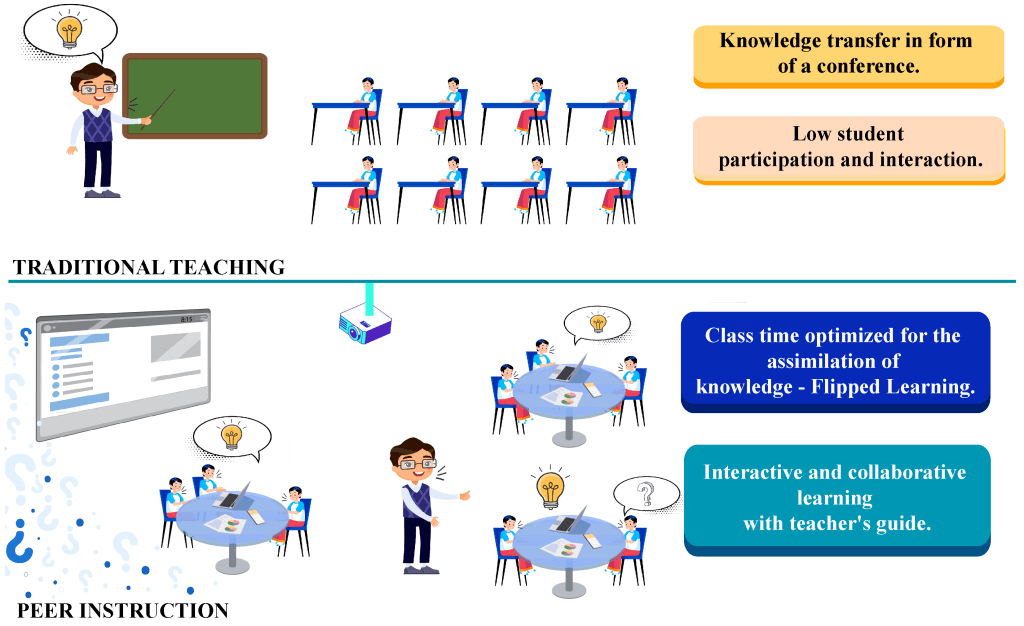
Cooperative learning is a teaching approach that involves students working together in groups to achieve shared learning goals. This method not only enhances academic achievement but also promotes social skills, critical thinking, and teamwork. There are various aspects and considerations to explore when implementing cooperative learning strategies in educational settings.
1. **Jigsaw Method Variations**: The Jigsaw method is a popular cooperative learning technique where each member of the group becomes an “expert” on a specific topic and then shares their knowledge with the rest of the group. Variations of this method could include assigning different roles within the expert groups or incorporating technology for virtual collaboration.
2. **Peer Tutoring Challenges**: While peer tutoring can be effective in promoting student engagement and understanding, challenges may arise such as unequal knowledge levels among peers, communication barriers, or difficulties in managing group dynamics. Teachers need to provide guidance and support to ensure successful peer tutoring sessions.
3. **Role of Introverted Students**: In cooperative learning environments, introverted students may struggle with speaking up in group discussions or taking on leadership roles. Educators should create opportunities for these students to contribute in ways that align with their strengths, such as through written reflections or one-on-one interactions with peers.
4. **Implementing Cooperative Learning Online**: With the shift towards online education, adapting cooperative learning strategies for virtual classrooms is essential. Utilizing collaborative platforms, setting clear guidelines for online communication, and fostering a sense of community through virtual icebreakers can enhance the effectiveness of online cooperative learning activities.
5. **Cross-Age Peer Mentoring Programs**: Pairing older students with younger ones for cross-age peer mentoring programs can benefit both parties by fostering leadership skills in older students and providing mentorship and support to younger learners. Structured activities and regular check-ins help maintain positive relationships within these mentoring programs.
6. **Cooperative Learning for Students with Disabilities**: When implementing cooperative learning for students with disabilities, educators should consider individualized accommodations such as visual aids, modified tasks, or additional support from teacher aides or special education professionals. Creating inclusive group dynamics where all members feel valued is crucial.
7. **Group Dynamics Considerations**: Understanding group dynamics is key to successful cooperative learning experiences. Teachers must monitor interactions within groups, address conflicts constructively, encourage equitable participation among members, and foster a supportive environment where diverse perspectives are respected.
8 .**Assessing Individual Contributions**: Assessing individual contributions within group projects can be challenging yet important for ensuring accountability and fairness. Strategies like peer evaluations based on predetermined criteria or self-assessment tools can help evaluate each student’s contribution accurately.
9 .**Cultural Considerations**: Cultural diversity within student groups adds richness but also requires sensitivity to different backgrounds and perspectives. Educators should promote inclusivity by acknowledging cultural differences, encouraging respectful dialogue, and integrating multicultural content into cooperative learning activities.
10 .**Integrating Technology**: Incorporating technology into cooperative learning activities opens up new possibilities for collaboration beyond traditional classroom settings.
In conclusion,
cooperative
learning offers numerous benefits
for
students’ academic growth
and socio-emotional development.
By exploring various strategies
and considering factors
such as
student diversity,
technology integration,
and assessment methods,
educators can create
engaging
and inclusive
cooperative
learning environments
that empower all learners to succeed.
 Alternative Amie
Leave a comment