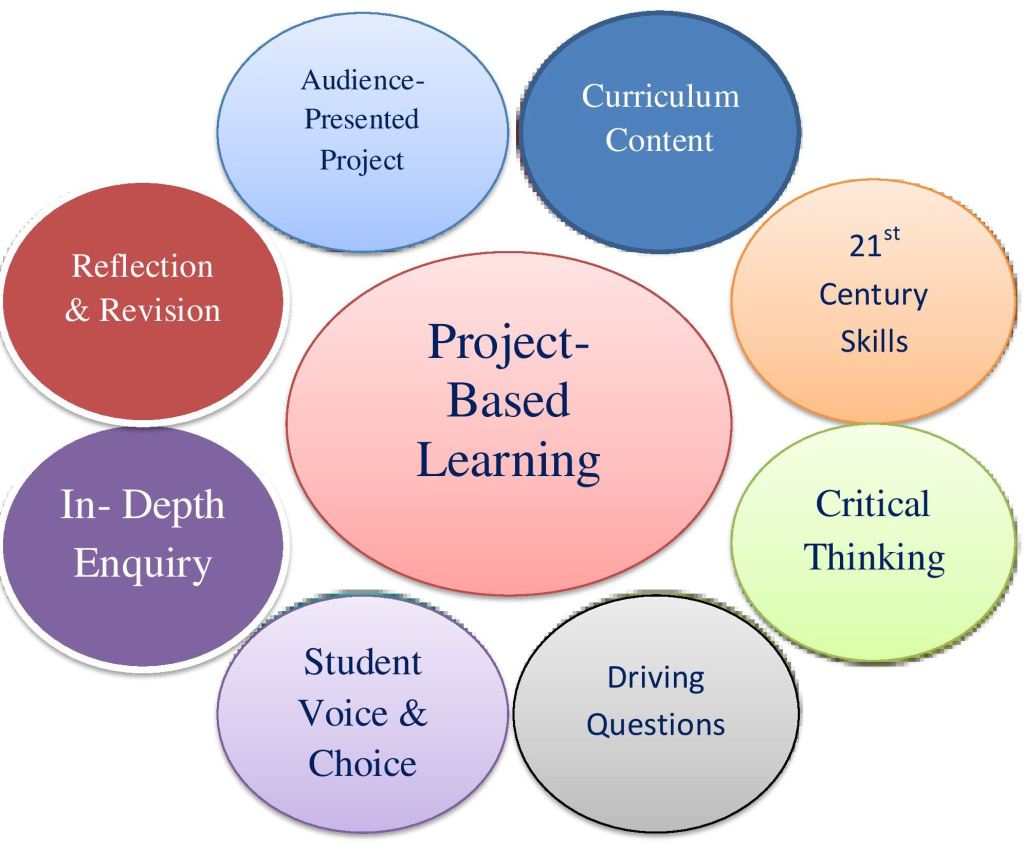
Project-based learning (PBL) has been a transformative approach to education that aims to engage students in hands-on, real-world projects. It shifts the traditional classroom dynamic by placing students at the center of their learning experience, allowing them to explore topics deeply and apply their knowledge in practical ways.
One of the key benefits of PBL is its ability to foster critical thinking and problem-solving skills. By working on projects that require research, analysis, and collaboration, students are challenged to think creatively and develop solutions to complex problems. This not only helps them grasp concepts more effectively but also prepares them for future challenges they may face in their academic or professional lives.
Moreover, project-based learning promotes a sense of ownership and autonomy among students. Instead of passively receiving information from teachers, students are actively involved in designing and executing their projects. This empowers them to take control of their learning journey and instills a sense of responsibility for their own education.
Another advantage of PBL is its capacity to promote interdisciplinary connections. Projects often span multiple subject areas, encouraging students to make connections between different fields of study. This holistic approach not only enriches their understanding of various topics but also helps them see how knowledge can be applied across disciplines.
Furthermore, project-based learning enhances student engagement by making learning more relevant and meaningful. When students work on projects that have real-world applications or address issues they care about, they become more invested in the learning process. This intrinsic motivation drives them to delve deeper into the subject matter and produce high-quality work.
In conclusion, project-based learning has proven to be a valuable educational tool that nurtures essential skills such as critical thinking, problem-solving, collaboration, autonomy, interdisciplinary connections, and student engagement. By embracing this innovative approach to education, schools can empower students with the tools they need to thrive in an ever-changing world.
 Alternative Amie
Leave a comment