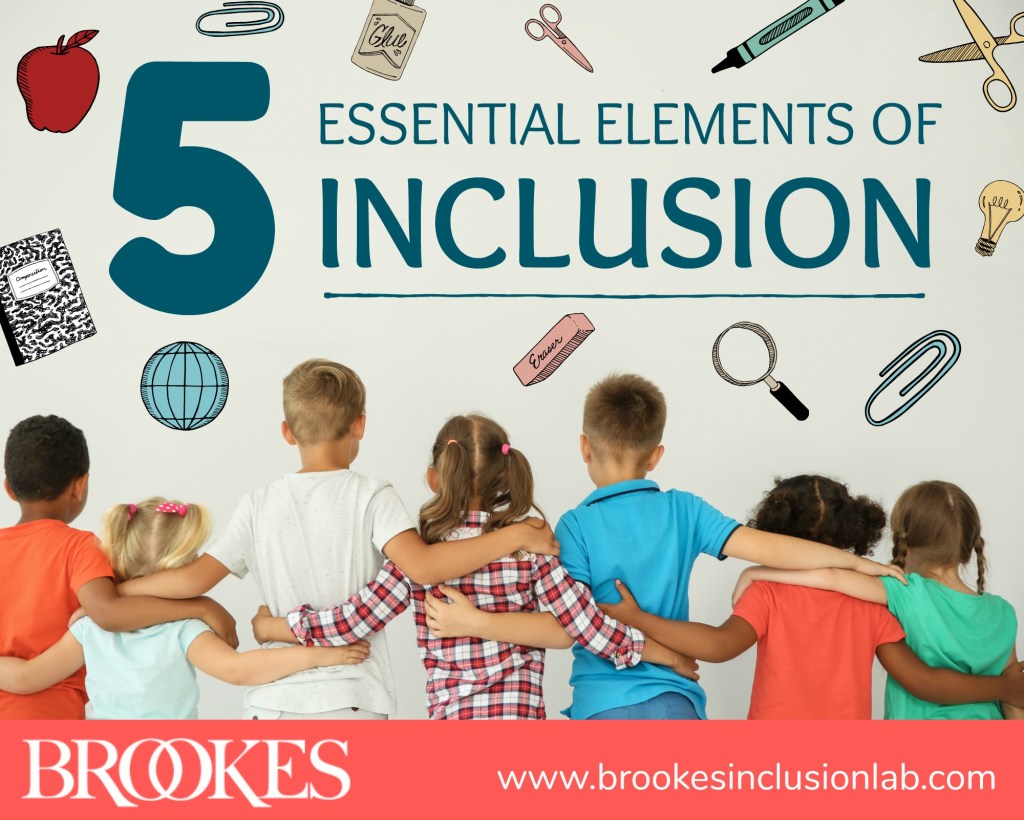
Differentiated instruction techniques are vital in creating an inclusive and effective learning environment that caters to the diverse needs of students. These strategies focus on recognizing individual strengths and weaknesses, allowing educators to tailor their teaching methods to better support each student’s learning style. Here are some key differentiated instruction techniques that can be implemented in the classroom:
1. **Flexible Grouping**: This technique involves grouping students based on their current level of understanding or learning preferences. By placing students with similar abilities together, teachers can provide targeted instruction that meets the specific needs of each group.
2. **Tiered Assignments**: Tiered assignments offer different levels of complexity based on students’ readiness and skill levels. This allows all students to engage with the material at an appropriate level and feel challenged without feeling overwhelmed.
3. **Learning Stations**: Setting up various learning stations around the classroom can provide students with different ways to interact with the material. Each station can cater to different learning styles, such as visual, auditory, or kinesthetic, ensuring that all students have an opportunity to learn effectively.
4. **Personalized Learning Paths**: Providing students with personalized learning paths allows them to progress through the material at their own pace. This technique empowers students to take ownership of their learning and ensures that they receive individualized support where needed.
5. **Use of Technology**: Incorporating technology into lessons can help differentiate instruction by offering interactive resources tailored to individual student needs. Educational apps, online simulations, and adaptive software programs can provide personalized learning experiences for each student.
By implementing these differentiated instruction techniques in the classroom, educators can create a more inclusive and supportive environment where every student has the opportunity to succeed based on their unique abilities and requirements.
 Alternative Amie
Leave a comment