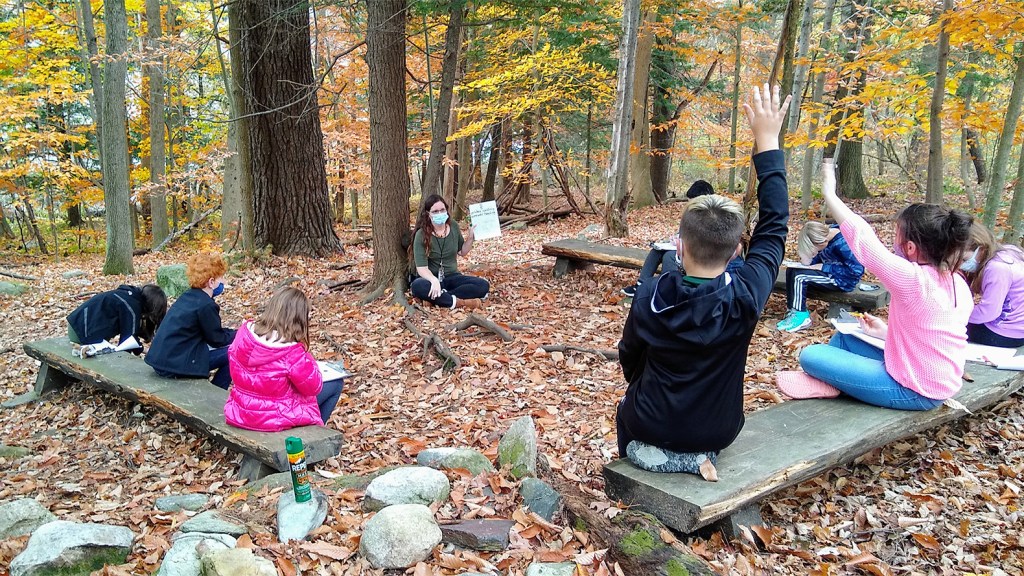
Outdoor education is a form of experiential learning that takes place in the natural environment. It provides students with hands-on experiences and opportunities to engage with nature while learning various academic subjects, life skills, and personal development. This approach to education has gained popularity in recent years as educators recognize the numerous benefits it offers for students’ holistic development.
One of the key aspects of outdoor education is its focus on experiential learning. Instead of traditional classroom-based instruction, students are immersed in real-life situations where they can apply what they have learned in a practical setting. This hands-on approach allows students to develop critical thinking skills, problem-solving abilities, and creativity as they navigate unfamiliar terrain, work together on team-building activities, or participate in outdoor challenges.
Outdoor education also fosters a deep connection with nature. Spending time outdoors helps students appreciate the beauty and complexity of the natural world, leading to increased environmental awareness and conservation efforts. Research has shown that exposure to nature can improve mental health by reducing stress levels and promoting feelings of well-being.
Furthermore, outdoor education promotes physical activity and healthy living. Engaging in outdoor activities such as hiking, camping, rock climbing, or kayaking encourages students to be active and fit while enjoying the great outdoors. This emphasis on physical health contributes to overall well-being and instills lifelong habits of exercise and outdoor recreation.
In addition to academic subjects like science, geography, or ecology being taught outdoors through hands-on experiences; outdoor education also emphasizes life skills development. Students learn important skills such as leadership, communication, teamwork, resilience, adaptability, and decision-making while facing challenges outside their comfort zone. These soft skills are essential for success in both academic pursuits and future careers.
Moreover,, outdoor education has been found to enhance social-emotional learning (SEL) outcomes among participants. SEL focuses on developing self-awareness,, emotional regulation,, empathy,, relationship building,,and responsible decision-making – all crucial components for personal growth.. By engaging with peers through collaborative tasks,, overcoming obstacles together,,,and reflecting on their experiences outdoosr;,students build stronger relationships,,,improve communication skills,,,,and develop empathy towards others.. These social-emotional competencies help them navigate complex social situations both insideeand outside offthe classroom..
Another significant benefit of outdoor educatioin is its positive impact oon mental healthh.. Being surrounded by natureeallows studentss too de-stress from academic pressuresexperience calmness,and connect with their inner selves…. Studies have shown that spending time outdoors decreases anxiety levels,s boosts moodss,and improves overall psychological well-beingg….. Outdoor educatiion provides a much-needed break from screenstime spent indoors,and offers a therapeutic environmentdfor individuals too rechargeeand rejuvenate..
Furthermore,outdoor educaation encourages environmental stewardshipp…. Through direct engagement with natuure,sttudents develop aa sense off responsibility toward protecting wildlifepreserving ecosystems,and conserving natural resources…….. Educators can incorporate lessons about sustainabilityclimate change,and biodiversity loss intoooutdoor activitiesto foster an appreciation for thee environmentaand inspire action toward environmental conservationn….
Despite its numerous benefits,outdoorr educationalso faces challenges relateddto accessibilitiessafety concernslimited resourcesaand curricular integration…… Not all schools have accesssito naturallenvironments suitable for outdooreducation,funding may be insufficient tprovide necessary equipmentor traininggfor educators,aannd incorporating outdooreducation intooacademic curriculumsmay require additional planningtime commitmentaannnd administrative support…..
To overcome these challenges,collegesuniversities,government agenciesnonprofit organizationsaare working together implement initiatives promote equity inclusivityin outdooreducatio… Providing funding grantsupporting professional development opportunitiesfor educatorsadvocating for policies that prioritize outdoorexperiential learningaalleviates some offthe barriers preventing widespread adoptionof this educational approach…
In conclusion,outdoor educaation offers a unique opportunity forsstudents too learn growthrive innnaturallsettingswhile developing essential skillsembracing environmental stewardshippromoting mental wellnessandsocial-emotional growth…. Incorporating ouutdoor experiencessinto academic programminghelpsstudents become resilientconfidentcompassionate individualspreparedtto tackle future challengesinn schoollifebeyond…….As more institutions embraceoutdoor educatoras an effective pedagogical strategywe cannexpecttoseseethe positive impact it hassonnstudentlearning outcomespersonal developmentcommunitiesat large…….By prioritizing experiential lear
 Alternative Amie
Leave a comment