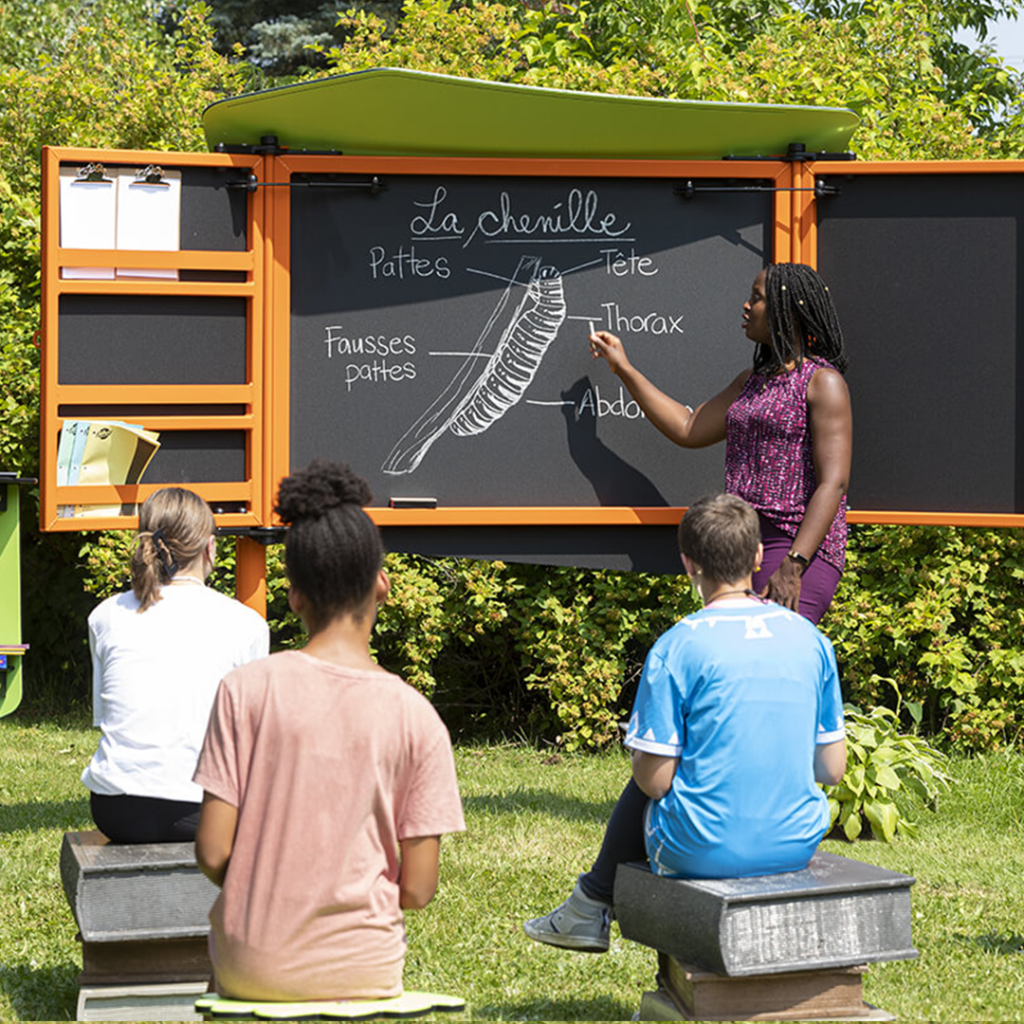
Outdoor classrooms have been gaining popularity in recent years as an alternative approach to traditional indoor education settings. These unique learning environments offer numerous benefits for students, educators, and the community as a whole. In this Q&A style post, we will explore what outdoor classrooms are, how they work, their advantages, and practical tips for setting up and utilizing them effectively.
Q: What are outdoor classrooms?
A: Outdoor classrooms are spaces designed for teaching and learning that take place outside of the typical indoor school environment. They can range from simple outdoor areas with seating arrangements to more elaborate structures like gardens, nature trails, or even open fields. These spaces serve as extensions of traditional classrooms and provide opportunities for hands-on learning experiences in natural settings.
Q: How do outdoor classrooms work?
A: Outdoor classrooms function much like traditional indoor classrooms but with the added benefit of being in nature. Educators can conduct lessons, activities, discussions, experiments, and group projects outdoors while incorporating elements of the natural environment into their teaching. Students have the opportunity to engage all their senses while learning and benefit from exposure to fresh air, sunlight, and nature’s calming effects.
Q: What are some advantages of using outdoor classrooms?
A: There are numerous benefits associated with using outdoor classrooms:
– Improved student engagement: Being outdoors stimulates curiosity and creativity among students.
– Enhanced physical health: Outdoor activities promote movement and exercise.
– Mental well-being: Nature has a calming effect on individuals’ mental health.
– Environmental awareness: Students develop a deeper connection to nature through direct experience.
– Academic performance: Research shows that learning outdoors can lead to improved academic outcomes.
Q: How can schools set up effective outdoor classrooms?
A: Setting up an outdoor classroom requires careful planning and consideration. Here are some practical tips:
1. Identify a suitable location on school grounds or nearby natural areas.
2. Consider safety measures such as supervision protocols and emergency procedures.
3. Provide adequate seating options like benches or portable chairs.
4. Incorporate shade structures or umbrellas to protect against harsh weather conditions.
5. Utilize existing natural features like trees or rocks for educational purposes.
Q: How can educators make the most out of outdoor classroom experiences?
A: Educators play a crucial role in maximizing the potential of outdoor classroom experiences:
1. Integrate curriculum-based activities that align with learning objectives.
2. Encourage exploration and inquiry-based learning opportunities.
3. Use technology tools like tablets or binoculars for observation tasks.
4…
 Alternative Amie
Leave a comment